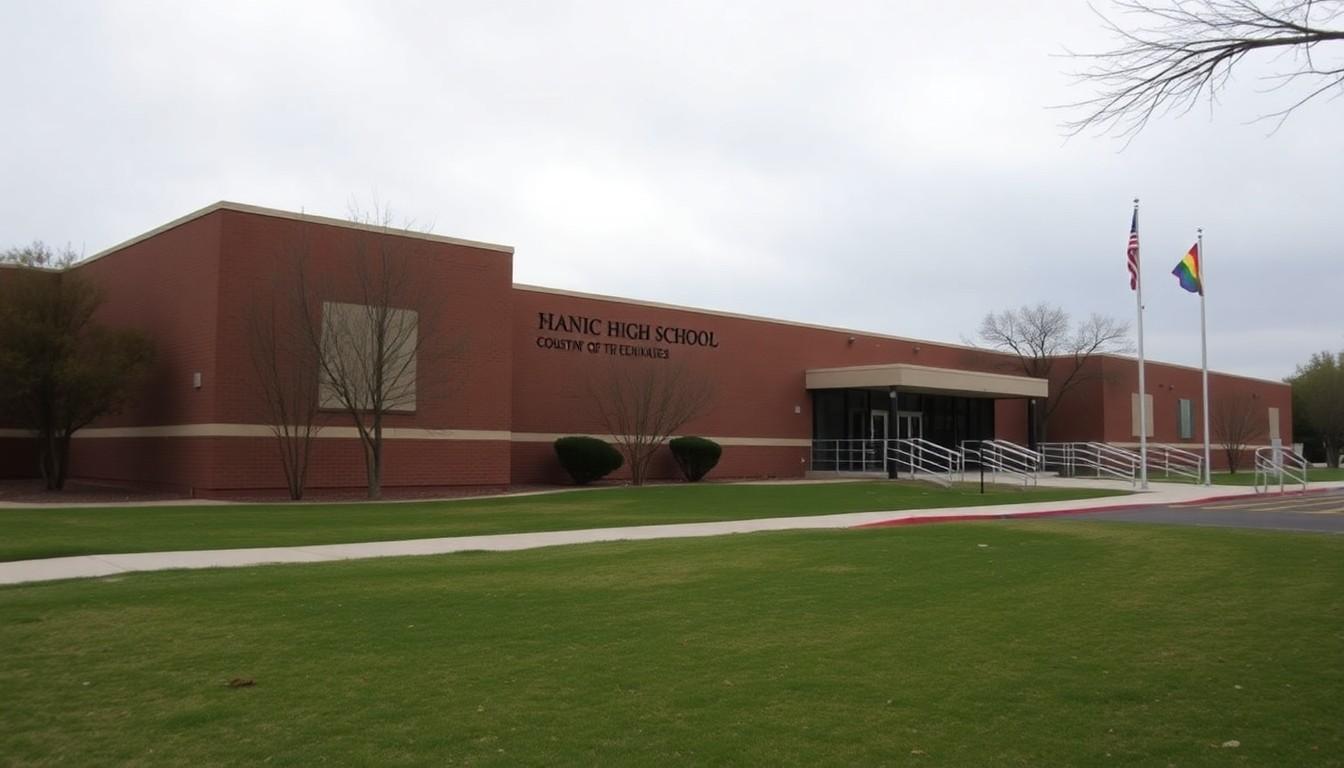
Shoppers are turning their attention to a high-stakes ballot fight in Arizona: Proposition 318 would extend restrictions on transgender girls in sports and public facilities, touching school locker rooms, private leagues and who can be sued , and it matters because it reshapes who belongs where in school life and community sport.
Essential Takeaways
- What it would do: Proposition 318 would bar trans girls from girls’ teams and prevent people from using school locker rooms, bathrooms or shower spaces intended for the opposite biological sex when they are “integral to athletic engagement.”
- Broader reach than current law: The measure applies to private, non-school athletic associations as well as public schools, which could kick trans girls out of virtually every local league.
- Legal muscle for complainants: Athletes or others who claim “direct or indirect harm” could sue schools or organisations under the measure, raising enforcement and cost concerns.
- Practical confusion: The language is vague about how schools should check or enforce locker-room and bathroom use, which may result in inconsistent, intrusive practices.
- Human cost: Advocates warn the proposal risks greater isolation and mental-health harms for trans young people, while supporters say it protects female athletes’ spaces.
What exactly is on the ballot and why it feels so sweeping
The proposal goes further than Arizona’s existing ban on trans girls joining girls’ school sports by extending similar limits into private sports clubs and community leagues, so your local after-school or weekend team could be affected. That broad definition of “athletic association” means anything from a bowling league to a youth soccer club might have to exclude trans girls if they label a team “girls”. Supporters frame this as protecting women’s sports; opponents call it a far-reaching restriction that targets a tiny population and strips decision-making from local groups.
How enforcement and lawsuits change the stakes
Under the measure, people who say they suffered harm can sue schools or associations , and that creates a new vector for costly litigation. Schools could be forced into policing bathrooms and locker rooms without clear guidance on how to do it, which raises privacy and practical problems. According to civil-rights advocates, forcing districts to invent procedures will produce a patchwork of solutions across the state, and courts may end up deciding what compliance even looks like.
The likely real-world effects for students and families
If passed, the initiative could leave trans girls with only co-ed or boys’ teams to join, dramatically reducing competitive opportunities that reflect who they are. Parents and community groups trying to set up inclusive teams might find themselves barred, and family members or spectators could be scrutinised at school events. Mental‑health researchers and LGBTQ groups point to the link between exclusionary laws and higher rates of anxiety, depression and suicidal behaviour among young people, while acceptance and community dramatically reduce those risks.
Politics and polling: why advocates say the fight won’t be easy
Polling in recent years has shown many Arizonans oppose trans-inclusive policies, and that’s part of why campaigners expect a tough fight at the ballot box. Still, advocates note Arizona’s electorate has shifted on other hot-button issues before, and they’re planning voter outreach to emphasise the proposal’s practical harms and the small size of the state’s trans youth population. Expect a high-energy, expensive campaign from both sides through autumn.
What parents, schools and club organisers can do now
Start conversations early and calmly: schools and clubs should review existing policies and craft clear, privacy‑protecting plans for facilities and team placements. Parents can check with school districts about how they’ll handle participation and consider joining or forming support networks for affected students. Voters who want to dig deeper should read the full text and attend local information sessions , this is the sort of policy where small language changes have big consequences.
It's a small change on paper that could make every school game and locker-room visit feel different for some kids.
Source Reference Map
Story idea inspired by: [1]
Sources by paragraph: