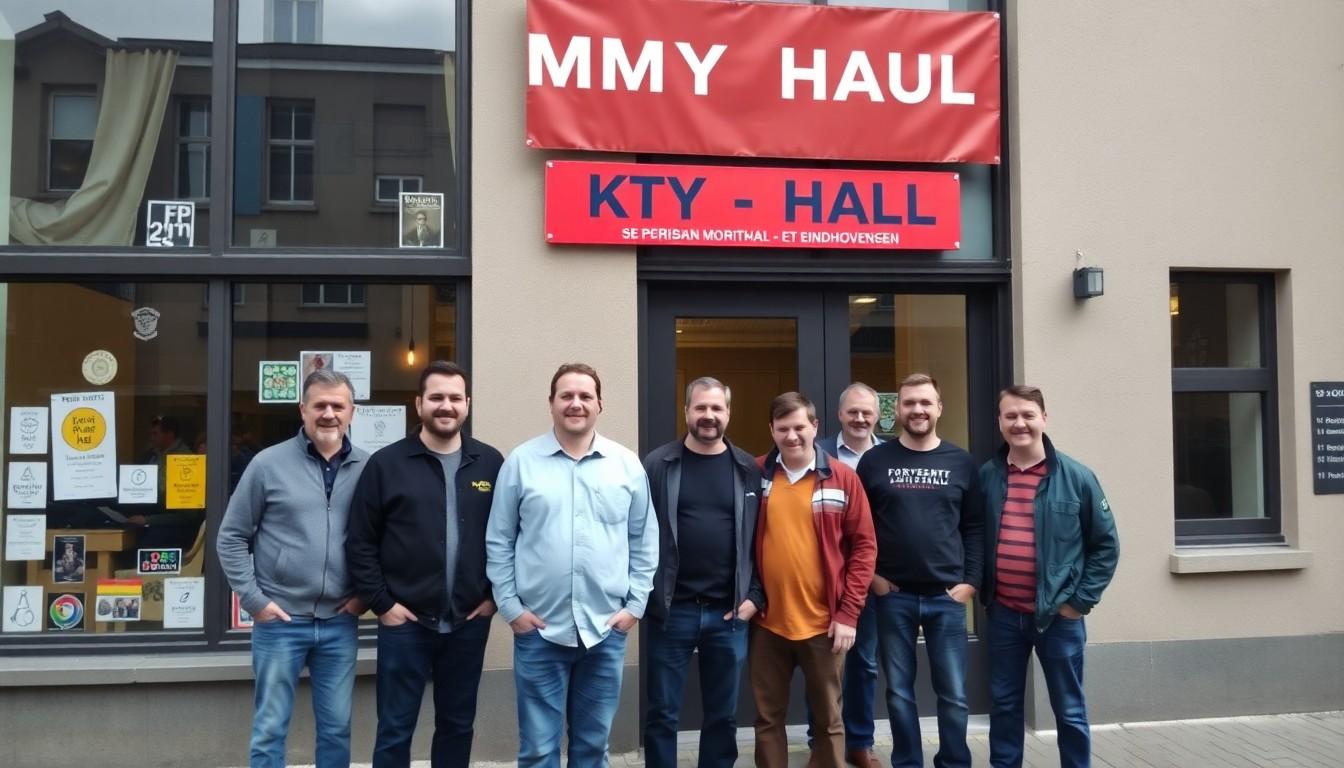
Spotting a rainbow sticker on a lamppost is more than decoration , it’s a statement. Eindhoven’s gay choir Mannenakkoord pairs music with visible solidarity, offering members friendship, performance and a quiet form of activism that still matters where full acceptance hasn’t arrived.
Essential Takeaways
- Local presence: Mannenakkoord uses stickers, street performances and festivals to boost visibility in Eindhoven and beyond.
- Social impact: Members report the choir gives them belonging and confidence, not just singing practice.
- Everyday activism: The group chooses performance and normality over protest, changing perceptions through repertoire and presence.
- Ongoing challenges: Hate incidents and vandalism, even at international festivals, show acceptance remains incomplete.
- Open invitation: The choir celebrates diversity and seeks new members to refresh and broaden its reach.
Why a gay choir still matters in 2026
Mannenakkoord’s rehearsals and street gigs feel convivial and a little theatrical, but there’s a sharper point beneath the laughter. According to the choir’s own materials, visibility is a deliberate strategy: stickers, public performances and festival appearances make the group recognisably part of the city’s cultural life. That matters because, as members say, tolerance from family or neighbours is one thing; feeling genuinely accepted is another.
The choir’s approach is quietly strategic , they perform, they have fun, and they normalise queer lives by being present where everyone can see them. For readers, it’s a reminder that visibility doesn’t always look like marches or slogans; sometimes it’s a familiar voice in the street.
Singing builds friendships, not just harmonies
For many members, joining was as much about finding a social circle as it was about improving pitch. One singer who moved to Eindhoven and came out later in life described the choir as a place that offered “much more than singing.” Mannenakkoord’s website and profiles underline that community is central: social events, camaraderie and shared gigs bind members together in ways that typical choirs sometimes don’t.
If you’re thinking of joining a choir, pick one that offers social activities as well as rehearsals , your vocal warm-up will be nicer when you also have friends waiting for coffee afterwards.
Visibility can trigger backlash , and the choir keeps going
Visibility brings support, but it can also provoke a reaction. Members reported stickers being ripped from lampposts and abusive comments at outdoor performances, while even international events have seen festival banners destroyed. Those episodes show that cultural shifts aren’t uniform: public acceptance rises in many places, yet hostility can persist in pockets.
Mannenakkoord’s response is to carry on. The choir treats public exposure as a form of emancipation , not to lecture, but to demonstrate queer life as ordinary and joyous. That tactic can soften attitudes over time and invites curious strangers to reassess assumptions.
Repertoire and representation: small choices that make a difference
The choir tweaks lyrics and choices to reflect who they are, turning a single word in a song into a visible act of inclusion. They don’t focus solely on heavy political songs; their setlist includes light, celebratory numbers that make audiences smile and invite connection. That balance , between the serious and the playful , makes their performances accessible to a wider public.
Practical tip: if you’re programming a community concert, mix familiar tunes with a few reworked favourites. It keeps people listening and opens a door to recognition.
Looking ahead , new members, new energy
Ten years on, Mannenakkoord is refreshing its committee and hoping to attract younger singers to lower the average age and broaden its reach. They want faces that reflect the city’s changing makeup, and they’re open about wanting more people involved so the choir can remain visible and lively.
For anyone curious about joining, check the choir’s website for rehearsal times and open sessions. It’s a low-pressure way to test the waters, hear the group in action and see whether the social vibe fits.
It’s a small change that can make every performance a bit more visible and every member a bit more seen.
Source Reference Map
Story idea inspired by: [1]
Sources by paragraph: