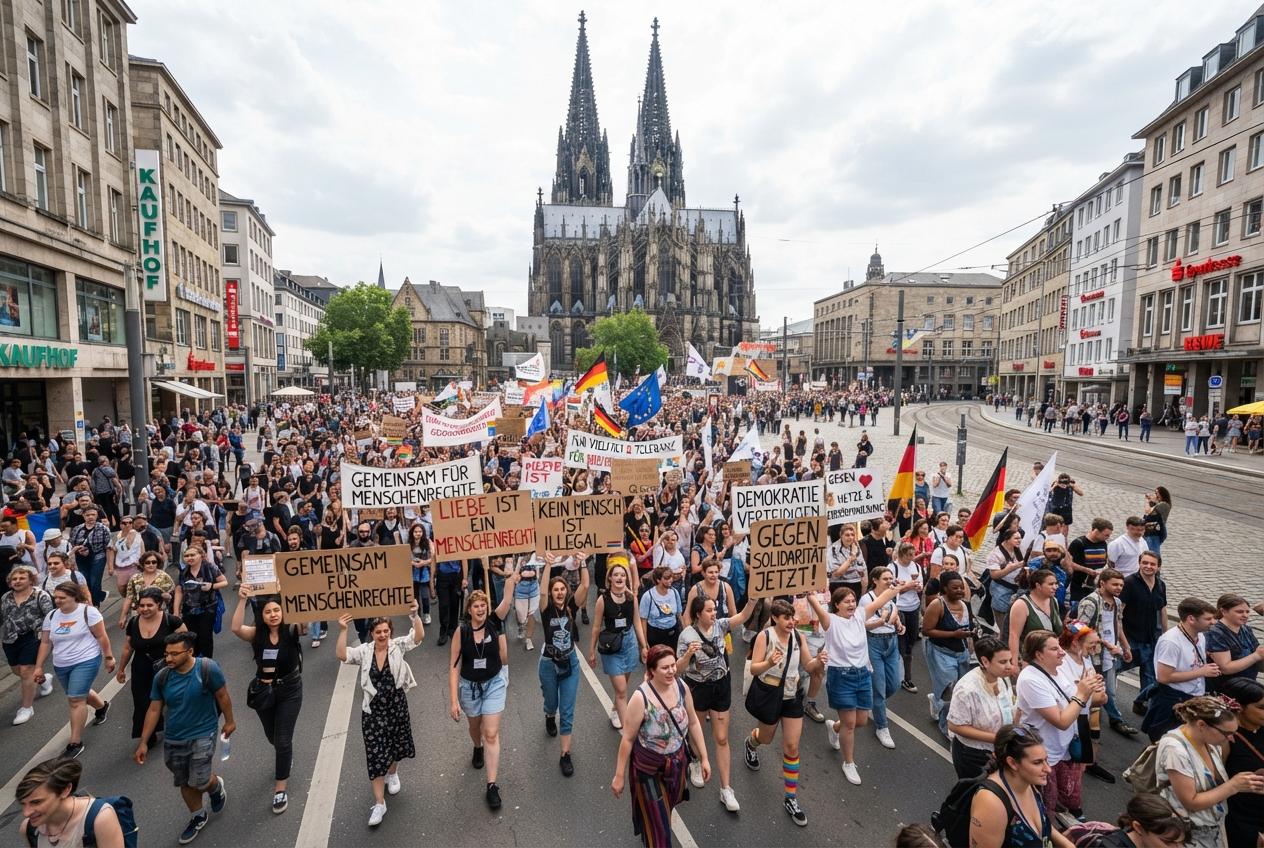
Shoppers, students and neighbours have been filling the streets in solid, visible numbers , two weeks after the Berlin attack , with CSD rallies from Braunschweig to Essen drawing far bigger crowds than usual and underlining why visibility and safety matter now more than ever.
Essential Takeaways
- Marked increase: Braunschweig, Nürnberg and Essen all reported noticeably higher attendance compared with recent years, with Braunschweig up to about 6,000 people and Nürnberg exceeding 20,000.
- Broader participation: Many attendees were not queer but came to show solidarity; organisers described a "now-more-than-ever" mood across events.
- Heightened security: Police and organisers tightened safety plans after the Berlin incident, including larger police presence and specific requests about banners and poles.
- Peaceful demonstrations: Despite fears, the parades proceeded calmly and without major incidents, from RuhrPride in Essen to Pride marches in Prague.
- Emotional backdrop: The surge follows an Islamist vehicle attack in Berlin that killed one person and injured many, colouring this year’s CSDs with grief and defiance.
Why crowds swelled: solidarity, shock and a louder political tone
Two weeks after the car attack that hit the Berlin Pride route, organisers in towns and cities across Germany reported bigger-than-usual turnouts. The mood was visibly charged, a mixture of grief and determination, and many people who don’t usually march came out to support queer rights. According to local organisers, the events felt more political than in recent years, and that energy shows why turnout matters beyond festivity.
Smaller cities, bigger statements: Braunschweig and Essen on the map
Cities that usually host modest CSDs suddenly felt the volume of a major protest movement. Braunschweig’s organisers and local police put numbers around 6,000 , notably higher than prior counts , and Essen’s RuhrPride saw thousands join the parade. This shift suggests activism is decentralising: it isn’t just the capitals where visibility counts. If you’re choosing which CSD to attend, expect a different atmosphere this year , quieter reflection in places, louder calls for safety and policy change in others.
Nürnberg’s record crowd and what that signals
Nürnberg reported more than 20,000 people for its CSD, a record turnout described by local media and police. Under the rallying theme of local love and equality, more than 60 groups marched through the city centre. The scale of attendance sent a clear message: communities are refusing to be intimidated, and visibility is being used as a form of protection and protest. For event planners, this means balancing celebratory programming with clear, robust safety protocols.
Security tightened , practical steps and what attendees noticed
Organisers and police in Germany and neighbouring Prague revised their safety plans after Berlin, adding officers, de-escalation teams and practical rules , for instance asking people to carry banners on plastic poles rather than wooden sticks. Authorities also monitored routes more closely and spread public-safety guidance ahead of parades. If you’re heading to a march, check the organiser’s guidance beforehand, travel light, avoid bulky poles and follow stewards’ instructions to keep the day calm and safe.
International ripples: Prague’s vigil and European response
The impact went beyond Germany. Prague’s Pride began with a minute of silence and then tens of thousands marched in solidarity, with police and festival organisers increasing security as a precaution. Reuters and other outlets noted that many European Pride organisers took the Berlin attack as a call to review safety without shrinking their public demands for equal rights. The result has been a networked response: louder, safer and more united events across borders.
It's a small change that can make every march feel safer and more meaningful.
Source Reference Map
Story idea inspired by: [1]
Sources by paragraph: