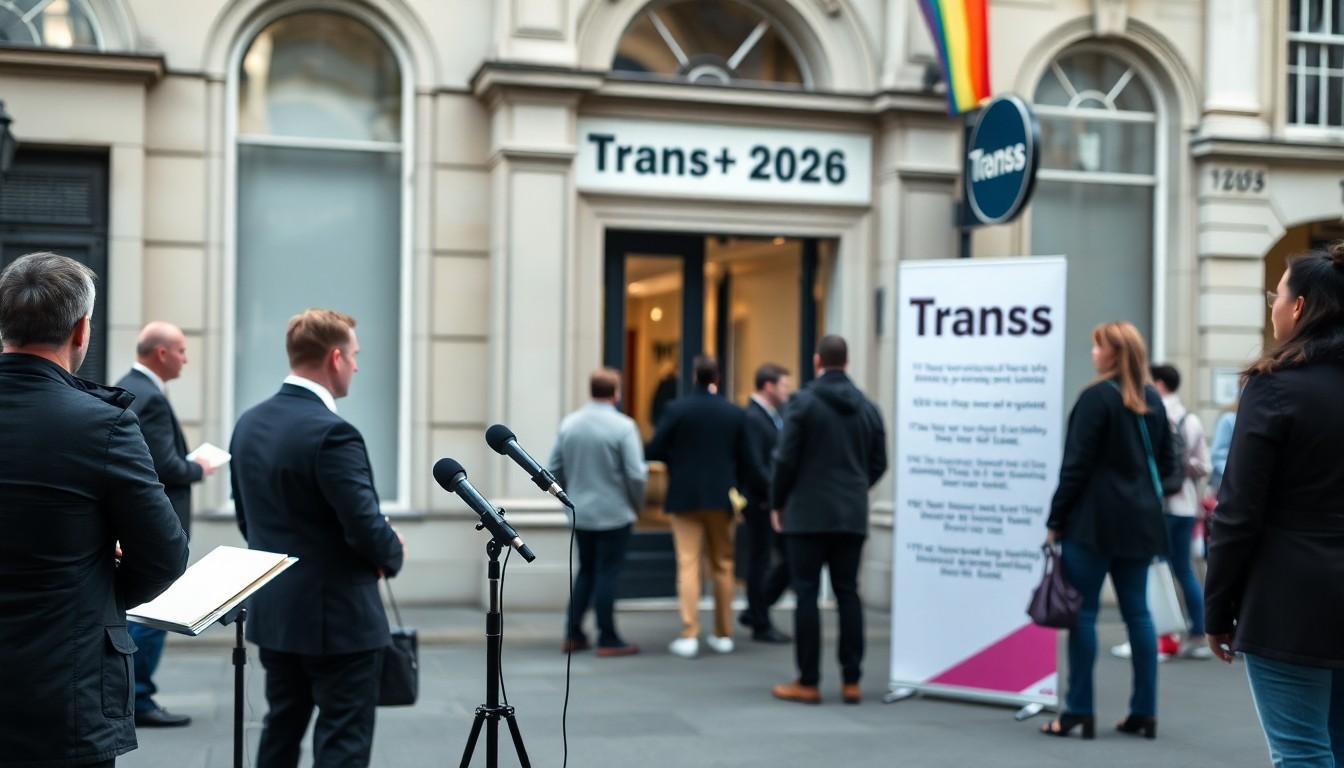
Shoppers, viewers and allies are watching a movement grow , as London Trans+ Pride 2026 drew thousands and performers like Tip Toe star Iz Hesketh urged big, systemic change. Here's what happened, why it matters and how you can show up beyond a placard.
Essential Takeaways
- Huge turnout: Around 150,000 people marched through London for Trans+ Pride, a vivid, loud show of support and visibility.
- A performer speaks up: Iz Hesketh (Izzy), who plays Zee Malone in Channel 4’s Tip Toe, used the platform to call for dismantling systems that disadvantage trans people.
- Representation matters: Izzy urged longer-term change on-screen , trans actors in roles where being trans isn't the plot.
- Allies can act: She encouraged allies to speak up calmly and educate, not just shout, and to push past the fear of getting it wrong.
- Practical push: Organisers framed this year as “Our Future, Our Fight,” signalling both celebration and continued campaigning.
A march the city felt , scale, colour and purpose
London felt festival-like and fiercely political at once, with tens of thousands gathering in a steady river of banners, bright outfits and drumbeats. According to organisers, roughly 150,000 took part, making it one of the largest Trans+ Pride events globally. The atmosphere was jubilant but purposeful , people were smiling and chanting while also carrying hard-to-ignore messages about rights and safety. For anyone there, the energy was immediate: this isn’t just a parade, it’s a movement asserting presence.
Context is important: Trans+ Pride has become a space to combine celebration with political demands. The crowd size shows public appetite for visible support and suggests the conversation around trans rights remains urgently alive in the capital.
Iz Hesketh: from drama set to megaphone
Iz Hesketh, known to many from Channel 4’s Tip Toe and other TV roles, used the platform to amplify a blunt message: the whole system needs changing. She argued that trans rights can’t be addressed in isolation , systems disadvantaging people of colour, disabled people and other minorities are interconnected. Her plea wasn’t academic; it was personal, and it landed hard because she’s not just a performer but someone speaking from lived experience.
That call for structural change goes beyond slogans. It’s about law, healthcare access, employment fairness and everyday respect. And because Izzy stands in mainstream drama, her words carry reach to viewers who might not otherwise hear them.
Visibility vs typecast: what representation should look like
One recurring theme from speakers and performers was representation that doesn't reduce a person to their transness. Izzy said she loves telling trans stories, but wants trans actors given the room to be characters whose plots don’t hinge on gender identity. The point is practical: casting trans actors into varied roles normalises trans lives and widens opportunity.
This matters not only artistically but economically , more roles mean sustainable careers. Producers, casting directors and commissioners who want to reflect modern Britain should consider how to include trans performers in comedies, dramas and mainstream parts where their gender is incidental.
How allies can actually help , small moves that make a difference
Izzy’s advice to supporters was simple: speak up when you see wrongdoing, but you don’t have to be aggressive. She acknowledged the familiar fear of saying the wrong thing , she’d felt it too during earlier movements , and urged pushing through that discomfort with good intentions and a willingness to learn. Practical steps include correcting misgendering, amplifying trans voices, donating to mutual aid or legal defence funds, and voting for policies that protect minorities.
Also remember: allyship is a practice, not a performance. Quiet advocacy in workplaces, classrooms and among family often changes lives more than one-off social media posts.
The legal backdrop and why the fight continues
Recent court rulings have complicated the legal terrain, with decisions clarifying that terms such as "woman" and "man" in certain legislation refer to biological sex, while other protections for gender reassignment remain. That legal nuance matters because it influences access to services and the language used in policy debates. Events like Trans+ Pride are as much about awareness and solidarity as they are about nudging lawmakers and institutions toward clearer, fairer protections.
Looking ahead, the movement’s message is both practical and aspirational: reform systems, increase visibility in everyday roles, and support one another so trans people can live full lives without being reduced to a single identity.
It's a small change that can make every day feel safer and more human.
Source Reference Map
Story idea inspired by: [1]
Sources by paragraph: