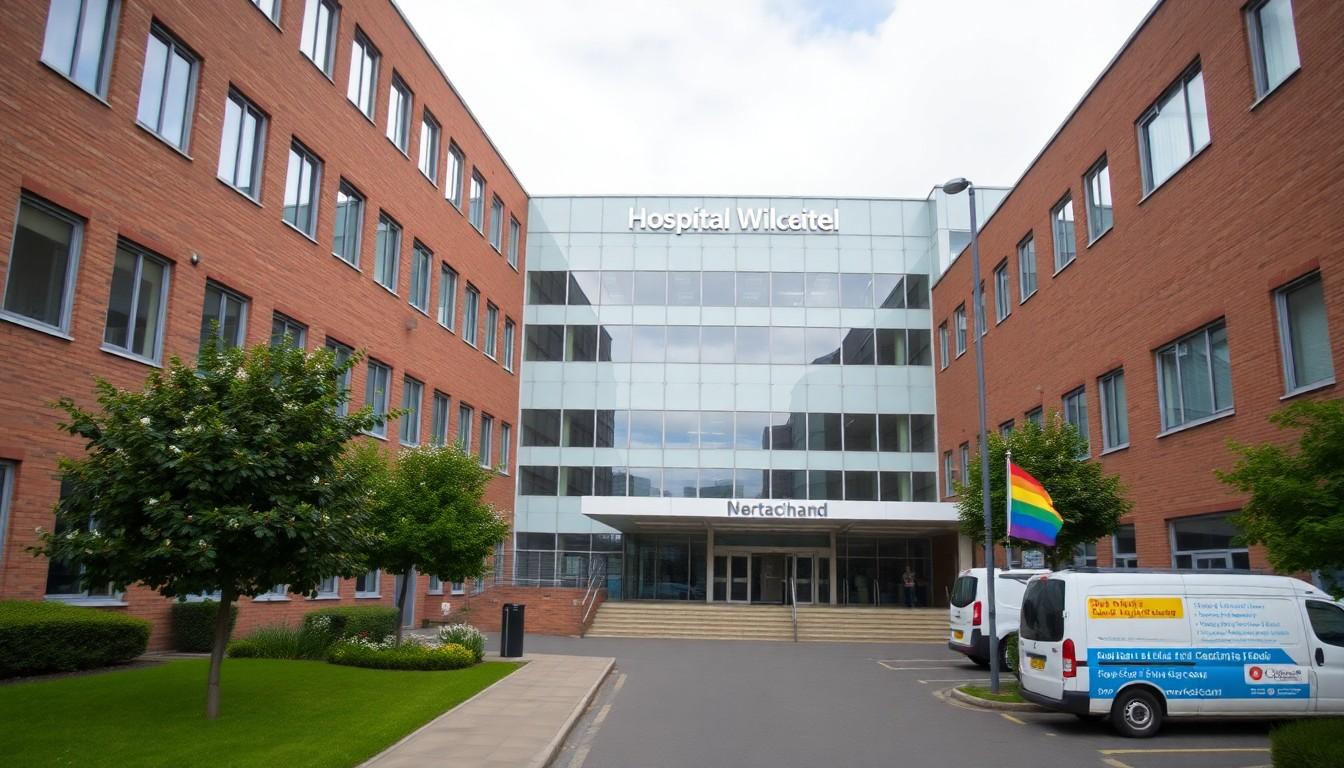
Shoppers, patients and sports clubs will notice the effects today as the updated Equality and Human Rights Commission code for services, public functions and associations takes effect across the UK; the 300‑page guidance changes how single‑sex spaces and sex‑based policies are treated and has sparked political and community backlash.
Essential Takeaways
- New code in force: The updated EHRC code for services and public functions becomes law today and replaces guidance last revised in 2011; it covers nine protected characteristics and runs to more than 300 pages.
- Single‑sex guidance tightened: The code accepts limited circumstances where organisations can lawfully restrict access to single‑sex spaces, and says sex can be checked sensitively where necessary.
- Practical tension: Guidance warns against routinely asking people about sex for incidental services like toilets, while acknowledging some exclusions may be lawful.
- Political and community fallout: Hundreds of MPs protested and trans groups say the guidance will harm access to services and safety; government ministers say protections remain in place.
- What organisations should do: Charities and public bodies are being urged to update policies and prepare for compliance with the new code, using the government’s implementation advice.
What changed today , the practical headline
The updated EHRC code formally takes effect, and you’ll see its impact in everyday settings from check‑in desks to sports halls; it reads as a firmer steer on how sex and gender are treated. Government publications explain this is a comprehensive rewrite, the first full update since 2011, covering services, public functions and associations across nine protected characteristics. Organisations are being told they must consider the new code when designing policies, and charities in particular are being urged to prepare for compliance.
For people who manage buildings or run clubs, this means reviewing booking forms, signage and risk assessments. The guidance is detailed and practical, so it’s worth downloading the code and matching its examples to your own services.
Single‑sex spaces: where the line is drawn
One of the most noticeable changes is clearer language around single‑sex spaces and when exclusions might be lawful. The code reflects recent legal rulings about how the words “woman” and “sex” are interpreted in law and says that, in limited circumstances, asking someone to confirm their sex can be legitimate , but must be done sensitively and with privacy.
That sounds technical, but in practice it affects workplaces, sports providers and healthcare settings deciding who uses which changing room or ward. The guidance also cautions against routinely interrogating people for incidental services, such as public toilets, where approaching individuals about their sex is unlikely to be proportionate.
How trans and LGBT+ groups have reacted
Trans advocacy groups and LGBT+ charities have reacted strongly, saying the code will make public life harder and less safe for trans people. Campaigners warn that unclear thresholds and the permission to exclude in some single‑sex contexts will leave organisations unsure and trans people more likely to be shut out of services they rely on.
Those concerns come amid wider political debate: the changes were opposed in Parliament by a significant group of MPs, and campaigners say the guidance represents a backward step that risks contravening human rights principles. Expect legal challenges and continued public discussion as affected groups seek clarifications and protections.
What organisations and frontline staff should do now
If you run or work for a charity, council, NHS service or private venue, start by reading the code and the government’s explanatory materials. There are practical checklists and draft recommendations for implementation aimed at helping organisations comply without creating unnecessary barriers.
Train frontline staff on how to deal with sensitive queries, update equality impact assessments, and make sure any checks about sex are proportionate, documented and carried out respectfully. Simple steps , private conversations, clear signage, accessible single‑use facilities , will reduce confusion and complaints.
Looking ahead: legal and social outlook
This update won’t be the end of the debate. The code leans on recent court interpretation and government guidance, but campaigners and lawyers have signalled they may pursue legal remedies if harms occur. Meanwhile, organisations caught between rights and access will need to balance safety, dignity and practicality.
So expect further guidance, case law and possibly new legislation to clarify grey areas. In the meantime, pragmatic, humane approaches , clear policies, staff training and inclusive facilities , will make the biggest difference for people on the ground.
It's a small change with big consequences, so read the guidance and consider the practical steps that protect dignity and access.
Source Reference Map
Story idea inspired by: [1]
Sources by paragraph: