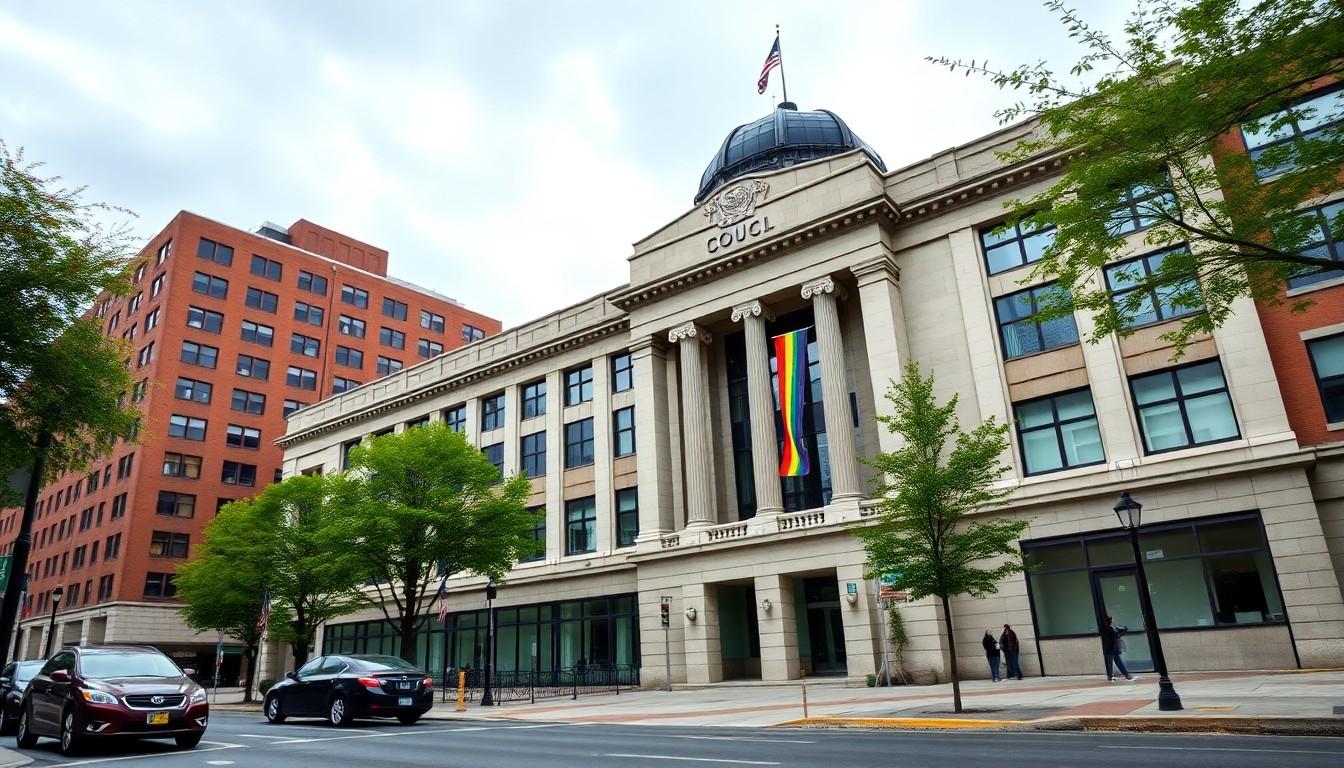
Shoppers and activists alike have watched this summer’s Pride policing drama unfold , City Council grilled Police Commissioner Kevin Bethel over chaotic crowd-control in the Gayborhood, and community leaders are calling for clearer oversight, independent review, and better planning so next year’s celebrations don’t feel dangerous.
Essential takeaways
- What happened: Philly police used mounted units, motorcycles and barricades to disperse crowds in the Gayborhood during June Pride, creating chaotic scenes and 15 arrests.
- Strong reaction: City Council members and LGBTQ+ witnesses described attendees as frightened, traumatised and disproportionately Black; Commissioner Bethel defended tactics but acknowledged planning gaps.
- Calls for oversight: Advocates want an independent after-action review, a permanent LGBTQ+ public safety advisory council, and stronger accountability mechanisms.
- Practical fix: Officials promise more collaborative planning for next year; critics say oversight without enforcement is only observation.
A hearing that felt like a reckoning
The sharpest public questioning of Commissioner Kevin Bethel since he took command came at a tense City Council hearing that had a raw, noisy energy , people still upset and vocal about being pushed, corralled and frightened in their own neighbourhood. According to witnesses who testified, officers guided crowds through narrow barricade mazes while mounted police and motorcycles moved through the streets, and videos of the scenes circulated widely online. Councilmembers repeatedly described the scenes as traumatic for attendees, and for some a re-run of historic mistrust.
Backstory: the parade shifted to the Parkway this year, but thousands still congregated in the Gayborhood where Pride had traditionally been held. Bethel told Council the department was prepared for Parkway crowds but was overwhelmed by a second, unexpected gathering in the neighbourhood. That mismatch is central to why the police response escalated and why next year’s planning is now a political and public-safety priority.
Where officials and community leaders clash
Commissioner Bethel admitted June 7 “was not a perfect day” and promised better planning, yet he stopped short of apologising, arguing officers were trying to disperse groups that had congregated in the Gayborhood. Councilmembers and LGBTQ+ advocates pushed back, calling the tactics excessive and pointing to racial disparities in how force was used.
Councilmember Rue Landau, who called the hearing and is Philadelphia’s first out LGBTQ+ councillor, said attendees “did not believe that you were there to protect them.” The exchange underlined a credibility problem: even a commissioner with a largely positive relationship with Council and a record on crime reduction can face sharp backlash when tactics clash with community expectations.
Oversight, but what kind?
Calls for accountability came fast. Community leaders urged an independent after-action review, and proposals include a permanent LGBTQ+ public safety advisory council to be consulted on event planning. Jacen Bowman of Philly Black Pride said the city already has structures meant to help, but what’s missing is authority , oversight needs teeth.
There are existing city bodies to consider. The Citizens Police Oversight Commission and other civilian-review mechanisms have roles to play, but advocates stress independence and enforcement. If oversight is merely observational, it won’t prevent repeat incidents, they warn.
Simple changes that could make a big difference
Planning is the low-hanging fruit: coordinate early with LGBTQ+ groups, map likely congregation points, and stage de-escalation-trained officers where crowds historically form. Use clear signage and communications so people know where official events are and how to stay safe. For policing tactics, limit use of horses and motorcycles in dense pedestrian zones, and ensure body-worn cameras and transparent complaint pathways are active and publicised.
Practical tips for attendees: travel in groups, note official festival locations, and report misconduct through established civilian channels so complaints enter the oversight process. That creates records and pressure for systemic change.
What this means going forward
Mayor Cherelle L. Parker said the city “can and must do better,” and Bethel vowed preparation for next year. But trust won’t be rebuilt on promises alone. Independent review, community-designed safety advisory structures and clear enforcement of discipline where rules were broken are the changes community advocates say they need.
The conversation now is about more than one chaotic afternoon , it’s about how Philly balances large public festivals, community safety and the right to celebrate without fear.
It's a small change that can make every Pride safer and more joyful.
Source Reference Map
Story idea inspired by: [1]
Sources by paragraph: