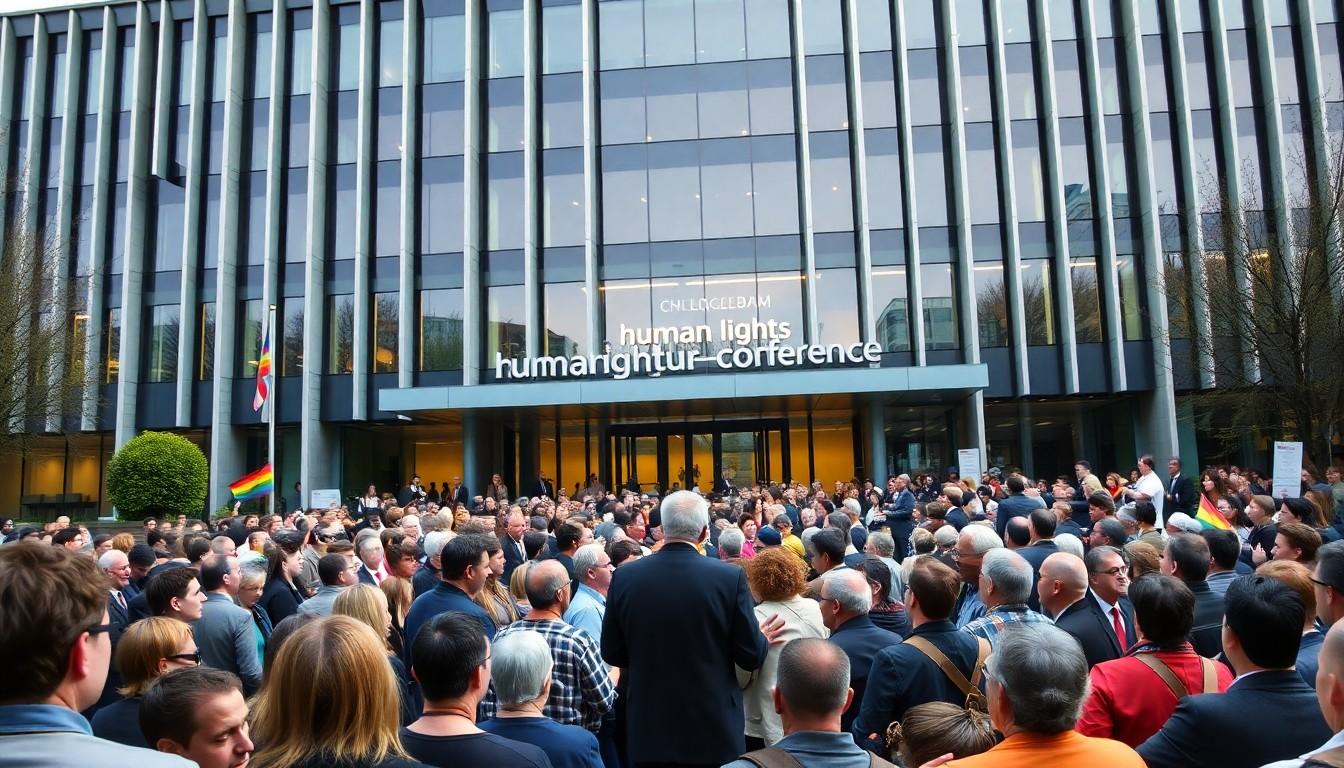
Watch how small, quiet milestones are reshaping politics: leaders who are openly gay are stepping into high office and global stages, making equality visible, practical and harder to ignore , from Amsterdam’s World Pride Human Rights Conference to Queensland’s vice-regal office, and why that matters.
- Historic openings: The Dutch prime minister opened a major World Pride human rights conference, combining celebration with a sober warning about rising threats.
- Concrete plans: The Netherlands will fund anti-discrimination measures, including a national dialogue on online hatred and millions in annual safety grants.
- Ceremonial but meaningful: Queensland’s incoming governor will be the state’s first openly gay viceroy, with duties that touch daily civic life and constitutional processes.
- Every first counts: Visible leaders normalise public service for LGBTQ+ people, easing the path for future candidates and communities.
Why Amsterdam’s conference felt festive and urgent
The image of a prime minister in sensible shoes and a rainbow pin capturing a big conference stage is equal parts celebratory and serious. According to coverage of the event, Rob Jetten used his opening address to mark anniversary moments , 25 years since the Netherlands legalised same-sex marriage and 30 years of Amsterdam Pride , while also naming a growing danger: online hatred. There was a tactile hush when protesters interrupted, and Jetten’s pause showed a leader trying to balance solidarity with free speech without escalating tensions. It made clear that pride events now double as policy platforms.
Context helps: Amsterdam’s gathering follows real-world attacks and increasingly brazen online hostility, so the tone swung between party and policy. The Dutch government’s response is practical , training, municipal guidance and a national social dialogue , a reminder that symbolism needs programs behind it to actually protect people. If you’re picking what to watch next, look for local councils signing up to the campaign and schools taking tangible steps like solidarity days.
Online hate: the new front line in LGBTQ+ rights
Social media’s reach gives misinformation a frightening speed, and that’s exactly what speakers at the conference warned about. Jetten framed online hatred as a many-headed monster that grows in the shadows; this wasn’t rhetorical flourish but a policy prompt. The Netherlands plans to invest in public-awareness campaigns and training for civil society to try to keep pace with toxic content.
That matters because laws and court decisions can change slowly, but content spreads the instant someone hits “share.” For activists, that means doubling down on digital literacy, rapid-response communications and partnerships with platforms. For everyday citizens, it means calling out lies and supporting local organisations that provide fact-based counters. The takeaway: tackling online hate is now central to protecting civil liberties, not a side issue.
Queensland’s new governor: ceremonial role, real signals
In Australia, the appointment of Justice Thomas Bradley as Queensland’s governor is technically a vice-regal, largely ceremonial move , but it carries real constitutional weight, from granting royal assent to meeting community groups. Bradley will be the first openly gay governor of the state, and his selection matters less because of a rainbow label and more because it normalises authority for LGBTQ+ people across the country.
Bradley’s background , judicial service, community charity work and advocacy for young LGBTQ+ people , shows why representation is earned, not handed out. His role as an ambassador for educational and cultural causes means he’ll be visible in schools, arts venues and rural towns. Expect his tenure to be used as a quiet but effective lever to show younger LGBTQ+ people that high public office is an achievable path.
How these milestones actually change things on the ground
Neither leader got their role solely because they’re gay; both built careers in public service. But symbolism and substance work together. Every appointment chips away at the implicit “you don’t belong here” message, making recruitment, mentoring and candidacy less fraught for the next generation. Observers rightly note that representation is not a magic wand, but it does lower barriers and inspire institutional shifts.
Practical effects are already visible: policy commitments like funding for safety, curricula that encourage solidarity actions in schools, and community outreach that pairs a public face with resources. For people thinking about activism or public service, these moments are evidence that persistence and competence can convert into influence and protection.
What to watch next and simple ways to help
Keep an eye on how national plans translate locally: which municipalities adopt anti-hate training, whether schools integrate inclusion campaigns, and how court and legislative agendas respond to online disinformation. If you want to do something now, support local LGBTQ+ charities, attend community events, and call on councils to sign up for awareness programmes. Small civic acts , showing up, donating, or amplifying fact-based voices online , add up.
Representation won’t fix everything overnight, but it makes the next fight a little less uphill. Celebrate the wins, expect the hard work to continue, and remember that the next “first” is often someone inspired by the one before.
It's a small change that can make every public role feel more open.
Source Reference Map
Story idea inspired by: [1]
Sources by paragraph: