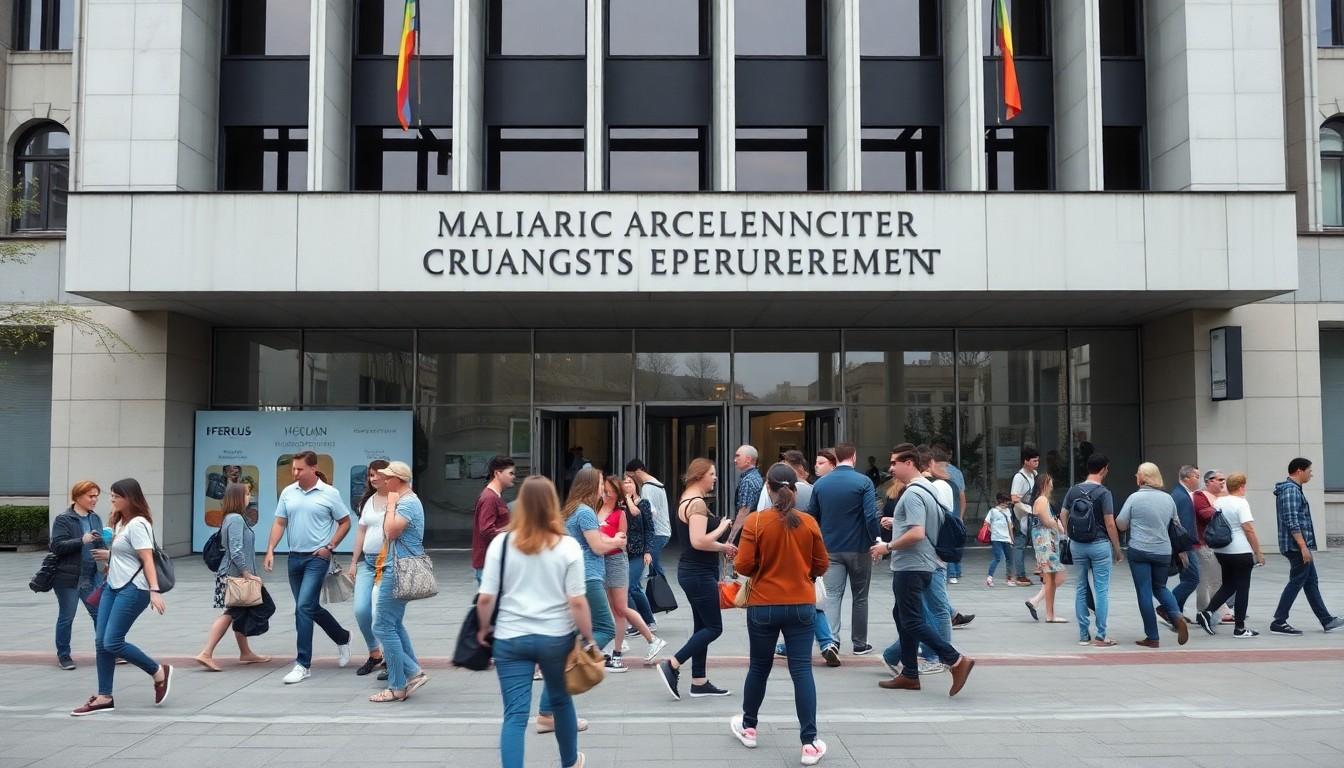
Spotting the rainbows? Take a closer look. Readers are re-evaluating which European cities are truly queer-friendly, as new ILGA Europe data and on-the-ground scenes from Amsterdam and beyond reveal that laws, logos and lived safety don’t always match. Here’s what matters, where progress is happening, and how to read the rankings.
Essential Takeaways
- Legal picture vs reality: ILGA Europe’s Rainbow Map scores countries on seven legal and policy areas, but those laws don’t automatically translate into everyday safety.
- Big movers and losers: Spain tops the latest rankings thanks to recent reforms; the UK and the Netherlands have slipped compared with a decade ago.
- Rising threats: Hate crimes and hostile rhetoric are increasing in many places, even where legislation looks progressive.
- Watch the nuance: Corporate rainbow-washing and symbolic gestures can mask stagnation; community-level activism remains crucial.
- Practical point: If you’re travelling or moving, check asylum, legal gender recognition and hate-crime enforcement , those impact daily life most.
Why the Rainbow Map still matters , and where it doesn’t
The Rainbow Map by ILGA Europe scores countries across Equality & Non-Discrimination, Family law, Hate Crime & Hate Speech, Legal Gender Recognition, Intersex Bodily Integrity, Civil Society Space, and Asylum. That’s a useful checklist, and it tells you whether a government has put protections on paper. But the map is a measure of law and policy, not of how safe queer people feel on the street, on public transport, or in healthcare waiting rooms.
According to ILGA Europe’s reports, some nations climb the list thanks to targeted legal reforms while others fall because they’ve stalled. That’s informative: laws shape what institutions must do. Yet, as activists and visitors note in cities like Amsterdam, the lived experience can be much more mixed , Pride floats and rainbow logos don’t erase subtle harassment or rising hate incidents.
The Netherlands: picturesque pride, political and social cracks
Amsterdam still looks like queer capital postcard material , canals, parties and a visible Pride scene , but the country fell in the rankings. ILGA Europe data shows stagnation on new legislative advances while hate-crime figures have risen. That contrast explains the uneasy feeling many report: tolerance in law or reputation isn’t the same as inclusion in everyday life.
Anecdotes from canal parades , corporate and state floats rubbing shoulders with performers and local groups , highlight a tension. The Dutch model of “tolerance” can read as complacency: if governments or brands celebrate Pride but don’t push further reforms or robust enforcement, progress plateaus. For anyone visiting or moving here, pay attention to local reporting hotlines and community resources rather than marketing alone.
Spain’s ascent: legal momentum, political fragility
Spain now tops the Rainbow Map thanks to concrete measures on health, gender self-determination and stronger sanctions against conversion practices. That legal momentum has real consequences: clearer pathways for gender recognition, improved healthcare access, and better asylum outcomes for LGBTQ+ applicants in many regions.
Still, legal gains coexist with political risk. Polling shows a strong right-wing opposition in some areas, and advances could be fragile if governments change course. The takeaway is practical: legal protections in Spain are currently among the strongest in Europe, but grassroots organisations remain essential to defend gains and turn policy into everyday acceptance.
The UK and Germany: big contrasts and worrying backslides
The UK’s fall down the rankings over the past decade is stark and instructive. ILGA Europe press briefings cite a mix of policy stasis and political debates that have undermined earlier positions. Germany sits higher overall but has suffered publicised violent incidents that remind us laws don’t prevent all harm.
Both cases underline a principle: parliamentary votes and court rulings matter, but so do policing priorities, hate-crime reporting tools, and cultural conversation. If you care about safety and services, look beyond national headlines to regional protections, local police training, and the strength of civil-society networks.
Rainbow-washing and the limits of corporate gestures
Seeing a national guard or airline in rainbow livery can feel reassuring, but corporate or state displays don’t necessarily equal long-term commitment. Donations, political ties and uneven workplace policies can reveal a different story. Industry scrutiny and investigative reporting have shown that some brands support queer visibility while backing causes or candidates at odds with LGBTQ+ rights.
For consumers and visitors, a simple rule helps: treat corporate Pride as an entry point, not proof. Check whether an organisation has consistent domestic and international policies, whether it funds community groups, and whether its commitments include concrete workplace protections.
What to do if you’re travelling, moving or campaigning
Start with ILGA Europe’s Rainbow Map for a legal baseline, and then layer in community intel: local LGBTQ+ NGOs, emergency hotlines, and on-the-ground reporting. If you’re moving, pay close attention to legal gender recognition rules and healthcare access. If you’re visiting, map safe neighbourhoods and know how to report incidents. And if you support change, donate to grassroots groups that do day-to-day outreach , those organisations translate law into lived safety.
Ultimately, don’t let a colourful skyline be the only guide. Legislated rights are necessary, but safety, belonging and real acceptance are built by sustained civic work, accountable institutions and visible solidarity.
It's a small change that can make every public space a little safer.
Source Reference Map
Story idea inspired by: [1]
Sources by paragraph: