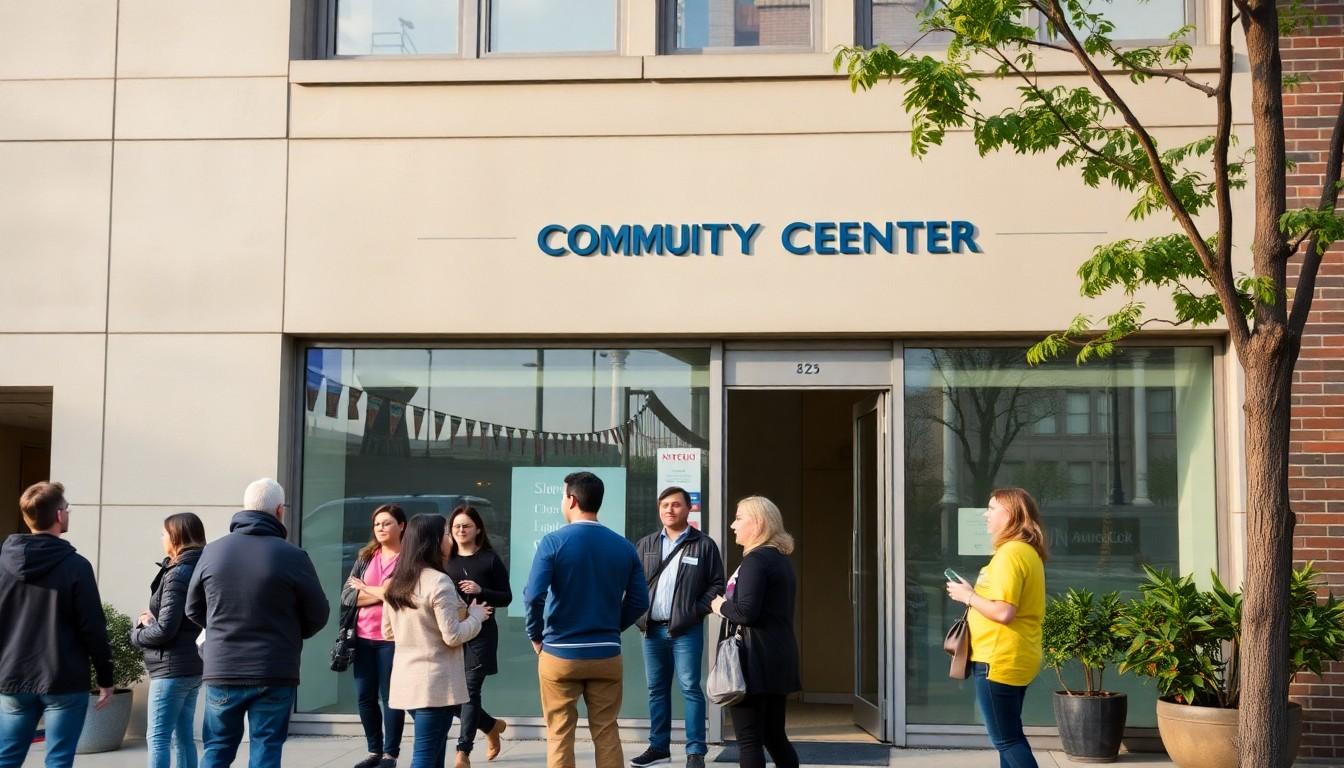
Celebrate the energy of Pride, but don’t pack it away , community work keeps going. D.C. and the wider DMV have dozens of groups, events, and volunteer roles where your time, money, or skills can make a real difference; here’s how to turn Pride momentum into year‑round action.
Essential Takeaways
- Give where it counts: Small donations and local sponsorships help fledgling LGBTQ groups and grassroots efforts.
- Volunteer with purpose: Events, admin tasks, and board roles are all useful , many organisations need non‑glamorous support.
- Shop and hire local: Patronise LGBTQ‑owned businesses and book community performers to keep funds circulating.
- Vet before you commit: Check reputation, financials, and community feedback before donating or joining.
- Look beyond LGBTQ groups: Push for inclusion in mainstream organisations and get involved in civic work this election year.
Keep the momentum: why Pride is a starting line, not a finish
Pride gives you a rush , colour, music, and a real sense of belonging , but the work that keeps communities safe and visible happens in quieter months, too. According to Pew Research, roughly two‑thirds of LGBTQ adults participate in Pride activities, which shows people want to be involved, at least seasonally. That energy is gold for local groups trying to sustain programmes through the year.
Many DMV events are spread across months, so planning and funding cycles never really stop. That means organisers need help immediately after the confetti settles. If you loved Pride, your next move could be as simple as buying a ticket to a community fundraiser or subscribing to an LGBTQ outlet to keep the calendar full and the conversation alive.
Small donations, big difference: how to direct your money wisely
Not every organisation needs a six‑figure corporate sponsor; often a few hundred pounds can keep a workshop or youth group running for months. For newcomers, supporting smaller or newer groups offers outsized impact, and spending intentionally , buying from LGBTQ retailers, advertising with queer media, or sponsoring a local performer , recirculates funds inside the community.
Before you give, do a quick check. Charity Navigator and ProPublica’s Nonprofit Explorer can show whether a charity is tax‑exempt and how it spends money. But the best intelligence usually comes from the people who work with them. Ask around; community members will tell you if an organisation delivers.
Time is currency too: volunteering beyond handing out flyers
Lots of groups run lean. They need people to staff stalls, manage ticketing, enter data, update websites, or refresh graphics. These are small, practical tasks that make events happen and free up leaders to focus on strategy and fundraising.
If you want more responsibility, consider joining a board or taking on an ongoing volunteer role. Board seats often open up after Pride as groups plan for the next year. Even liking and sharing event posts amplifies reach; social media attention translates into tickets sold and donors found.
Vet the people and the paperwork: spotting red flags
Passion doesn’t guarantee probity. Unfortunately, fraud and mismanagement do occur. Look for transparency about accomplishments, budgets, and leadership. Don’t be pressured into signing non‑disclosure agreements, and step away from situations that feel uncomfortable.
If something seems wrong, report it. Community accountability protects everyone’s reputation and resources. And remember: a lack of rapid response from an organisation doesn’t always mean malfeasance , many run on volunteer time and may be slow to reply.
Broaden your impact: inclusion in mainstream spaces and civic work
Sometimes the most useful thing you can do is push for inclusion where LGBTQ people aren’t the focus. Help mainstream clubs, schools, or local councils become more welcoming. This could mean offering to run a training session, organising LGBTQ History Month programming in October, or encouraging inclusive policies.
This is an election year, so voter registration, staffing polling places, and supporting pro‑inclusion candidates are high‑impact options. Civic engagement keeps rights and services on the agenda long after Pride banners come down.
If you can’t find the group you want, build it
Founding a small project can be the most direct way to meet a community need. Start with a narrow, practical goal: a neighbourhood Pride picnic, a support circle, or a local arts night. Keep the budget small, recruit volunteers, and scale up as you learn.
There’s also value in collaboration. Partner with established organisations for events and resource sharing; co‑producing programming means you don’t carry the whole load alone.
It's a small change that can make every month feel more like Pride.
Source Reference Map
Story idea inspired by: [1]
Sources by paragraph: