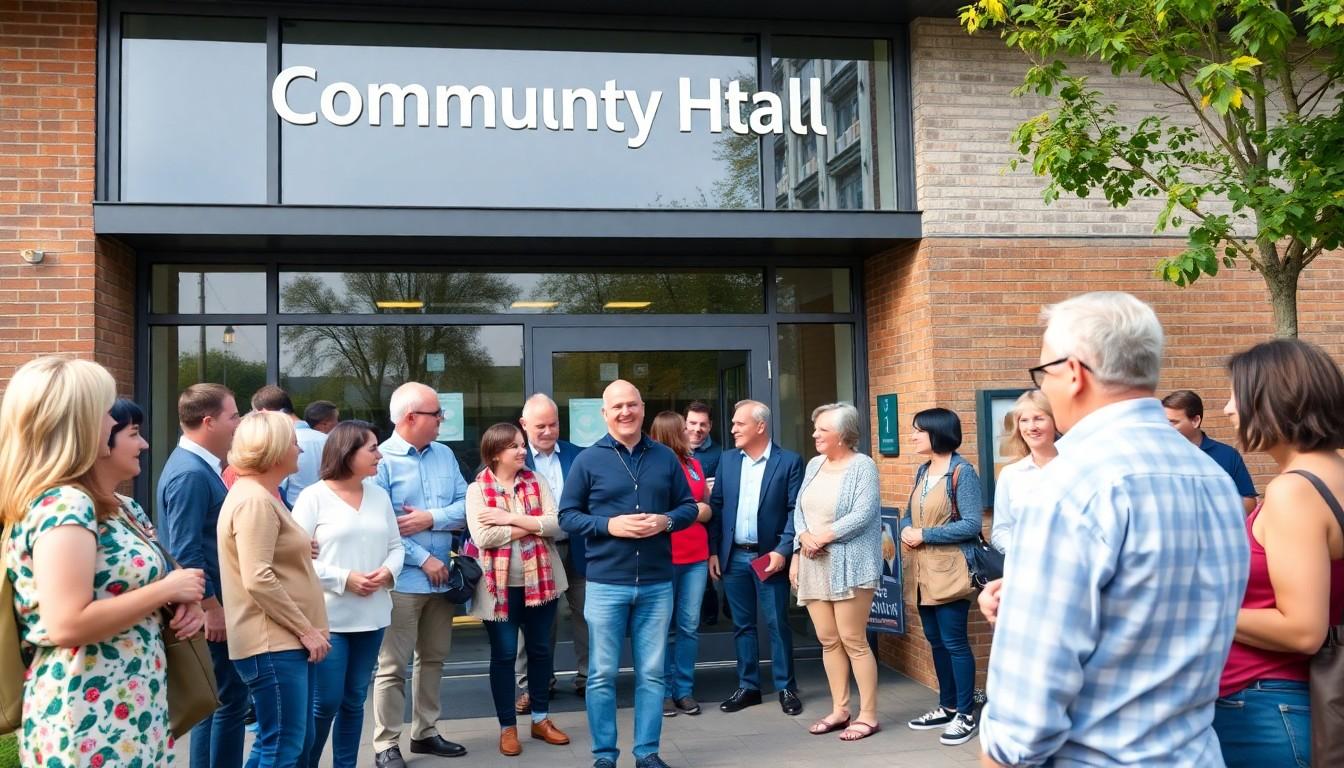
Watch how local solidarity and practical policy together keep LHBTIQ+ people safer: ministers, neighbours and community groups are all needed to turn promises into protection. Here’s why neighbourhoods like a Haarlem street matter , and what you can do.
Essential Takeaways
- Visible solidarity works: Neighbourhoods hanging rainbow flags send a clear, calming signal and can deter harassment.
- Policy plus practice: Government commitments to equal rights matter, but change deepens only when communities act on them.
- Risks remain: Progress can stall or reverse; vigilance and local responses are essential.
- Simple actions help: From reporting threats to community flags and safe spaces, small steps make a tangible difference.
A minister’s warning: progress is fragile and needs protection
The minister responsible for emancipation has reminded the country that past generations did vital work to expand freedom for LHBTIQ+ people, while also sounding a sober note: the job isn’t finished. According to national government material on equal rights, laws and international agreements lay the groundwork, but they don’t shield people on their own. That’s why political reminders about vigilance matter , they keep equality on the agenda and prompt practical follow-up.
Why a street in Haarlem became a symbol of solidarity
When an 11‑year‑old boy received a threatening note for displaying a rainbow flag, his neighbours responded by draping the whole street in flags. Local reporting and community accounts show this kind of visible support calms fear and publicly rebukes intimidation. It’s a small, tactile act , a colourful line of flags , yet it carries an emotional heft: it tells the targeted person they’re not alone, and it signals to bullies that the community is watching.
Policies set the frame, communities deliver the safety
The Dutch government has policies aimed at protecting LHBTIQ+ safety at work and in public life, but the minister has stressed that policy must be turned into practice. That means employers, schools and local councils need clear plans and everyday routines for safety and inclusion. For readers, the takeaway is simple: push for policies where you live, but also ask how those policies are implemented in real situations.
Practical steps neighbours and organisations can take today
You don’t need to be a politician to make a difference. Start with straightforward actions: report threats to the police so incidents are logged, organise visible signs of support like flags or stickers, and create meeting points where people feel safe. Employers and schools can train staff on how to respond to targeted abuse and set up confidential reporting channels. These measures are low cost but high impact , they reduce isolation and make it harder for harassment to go unchecked.
What this means going forward: keep moving, don’t rest on laurels
Progress on equality is not automatic; when a society stops actively advancing, it risks sliding backwards. The minister’s message echoes a broader lesson from politics and history: rights need guardians. That’s both a political nudge to keep strengthening protections and a friendly reminder to neighbours , your next small act of solidarity could prevent real harm.
It's a small change that can make every day feel safer.
Source Reference Map
Story idea inspired by: [1]
Sources by paragraph: