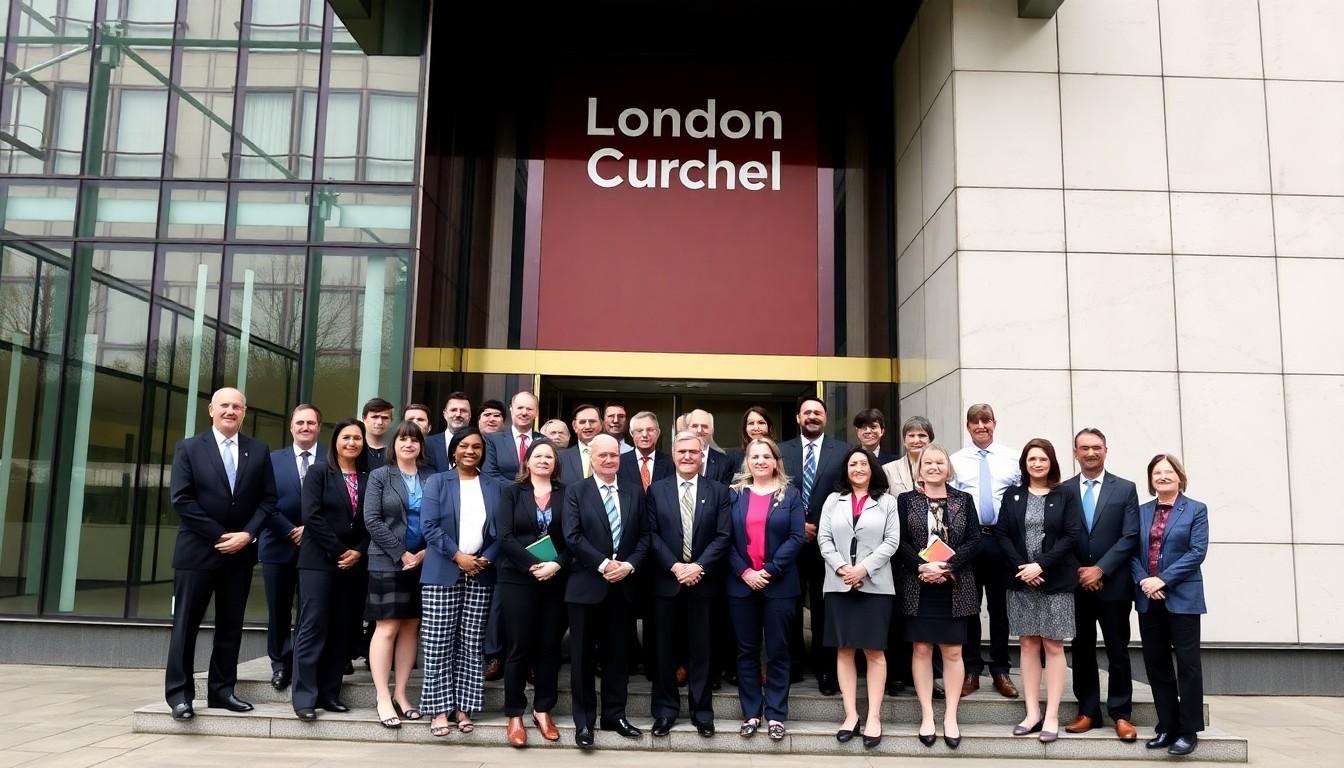
Shoppers, residents and campaigners have noticed a tidy row forming across London as six boroughs pledge to keep trans-inclusive public services despite the Equality and Human Rights Commission’s new single-sex spaces guidance , here's who, what it means locally and practical choices for people using gyms, toilets and advice centres.
Essential takeaways
- Who’s involved: Lambeth, Hackney, Haringey, Lewisham, Southwark and Waltham Forest have issued a joint pledge to maintain trans-inclusive services locally.
- What changed: The EHRC guidance now says access to public single-sex spaces should be determined by sex as assigned at birth, a significant legal interpretation.
- On-the-ground feel: Councils say they won’t make staff police facilities, so interactions should remain low-key and unpoliced, though some users may feel anxious.
- Legal pushback: Hackney has already been served with a formal legal challenge for not operating cis-women-only services, signalling court battles ahead.
- Practical tip: If you need a quiet or single-user facility, check council or venue websites before you travel; many places are updating guidance or signage quickly.
Why six boroughs publicly pledged inclusion , and what that looks like in practice
The six London boroughs issued a joint letter the day the EHRC guidance took effect, signalling a clear stance that local services will stay trans-inclusive. That matters because people already using these services told local leaders they want reassurance that they won’t be asked to prove their identity or justify their presence. In practice that usually means staff won’t challenge or demand documentation, and venues will continue to offer mixed or gender-neutral options where possible. It’s a practical, human-centred approach , but one that’s likely to be tested in court and public debate.
What the EHRC guidance actually requires, and why councils say it’s at odds with local practice
The new guidance frames access to single-sex spaces by sex at birth, which reshapes legal advice on who should use women-only changing rooms, toilets and specialist services. Councils argue that enforcing that rule on the ground would force staff into uncomfortable policing roles and could make trans and non-binary residents feel under attack. Meanwhile, the EHRC chair has reminded public bodies they remain legally obliged to follow the law, so this is less a quiet policy tweak and more a legal crossroads for local services.
How this will affect everyday visits , gyms, libraries, advice centres
Expect a patchwork of responses. Some venues will keep current inclusive practice, offering unisex or single-occupancy rooms and training staff to de-escalate incidents. Others may add clearer signage or guidance about which spaces are single-sex for safety or privacy reasons. If you're nervous about a visit, ring ahead or use a venue’s website , many councils and leisure centres update access options and quiet times online. For parents, older people or survivors of abuse, that extra check can avoid an awkward or distressing encounter.
Legal challenges and the likely road ahead
Legal pushback has already begun: Hackney faces a formal legal challenge for not restricting services to cis women, and more cases may follow. Court outcomes will matter because they’ll either reinforce local discretion or force councils to alter practice. For now, expect continued public debate, strategic litigation and guidance updates. Councils and campaigners on both sides are sharpening arguments, and that means policies could shift quickly depending on court rulings or ministerial intervention.
What residents can do now , practical advice and community options
If you rely on single-sex services, check local council pages and community groups for updates and alternative options. Organisations that support trans residents also list safe spaces and advocacy resources; they can help with complaints or access issues. If you manage a venue, provide staff training on respectful interactions and consider offering single-occupancy options for those who prefer them. Small steps like clearer signage and private-change rooms make a big difference in day-to-day comfort.
It’s a small change in wording that’s already having big consequences on the ground , and local residents will be the first to notice which councils make space for everyone.
Source Reference Map
Story idea inspired by: [1]
Sources by paragraph: