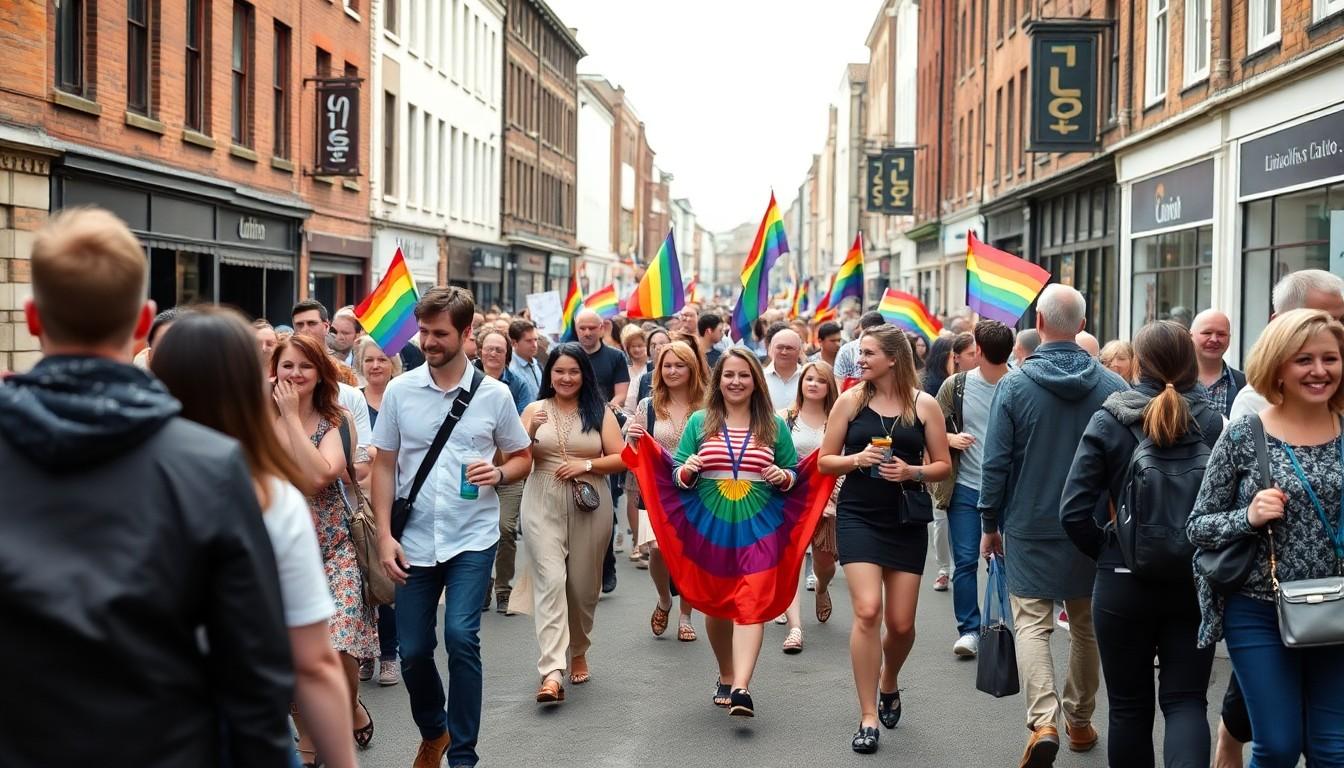
Shoppers and families are breathing a sigh of relief as Lincoln Pride is back in the city centre for 2026, thanks to a volunteer-led fundraising push that hit its target. The free, all-ages celebration returns on 15 August with a parade, accessible site, family zones and live music , and why that matters to the community.
Essential Takeaways
- Confirmed date and route: Lincoln Pride parade will start at 12pm on 15 August from Lincoln Cornhill up High Street to Orchard Street, with a quiet hour for those who need it.
- Funding secured quickly: A public fundraising appeal reached £4,000 in just over a week, topped by proceeds from the official Lincoln Pride Gala.
- Accessible and family-friendly: Orchard Street offers no steep elevation, accessible toilets and a British Sign Language interpreter on the main stage.
- Line-up and entertainment: Main stage acts include Booty Luv, Sam and the Womp and Honey G, alongside drag, dancers, tribute artists and children’s activities.
- Volunteer-run spirit: The event is organised by a small charity team, underlining community support and local sponsorship importance.
Why the parade’s return feels like a win for Lincoln
After last year’s cancellation, coming across the festival site again will feel bright and familiar, with the smell of street food and a buzz of chatter. According to Lincoln Pride organisers, the gap in 2025 was down to a shortfall in sponsorship and funding, so this year’s rapid fundraising success feels like a collective sigh of relief. Local volunteers and donors stepped in to ensure the parade’s traditional route through the High Street is back on the calendar, proving small-scale community fundraising still moves things.
Practical note: if you plan to join the march, organisers encourage members of the public to follow behind the final float and turn up early to find meeting points on Cornhill.
What the day will look like , accessible, inclusive, and loud (in a good way)
The Orchard Street site has been chosen with accessibility front of mind; it’s flat, has accessible toilets and will feature a British Sign Language interpreter on the main stage. That quiet hour at noon will give attendees who prefer lower sensory input a chance to take part comfortably. Families can expect a dedicated area with games, arts and crafts, seating and food vans , perfect if you’re bringing little ones or older relatives.
Tip: bring a small folding chair or blanket for seating near the family zone, and arrive before midday if you want a spot close to the stage.
Music, drag and community acts , why the line-up matters
Headliners like Booty Luv, Sam and the Womp and Honey G provide pop energy, but the day’s broader mix of vocalists, drag performers, tribute artists and dancers is what keeps Pride feeling like a party for everyone. Local performers and volunteer hosts populate much of the schedule, which helps money raised stay local and keeps the vibe authentic rather than corporate.
Context: across the UK and beyond, Pride events have grappled with sponsorship challenges and debates over brand involvement, so community-led programming is resonating more with some organisers and attendees.
Fundraising and sponsorship , a short-term fix, or a warning sign?
Raising £4,000 in a week shows great local goodwill and effective galvanising, but organisers admit the funding crunch that cancelled 2025 was a warning. According to wider coverage of Pride funding, many events are wrestling with fewer corporate sponsorships and more scrutiny on partnerships. Lincoln’s success this year leans on grassroots support and gala proceeds, a model that works but may need repeating annually unless longer-term sponsors step up.
Advice for local businesses: sponsoring arts or community events is good for local visibility and can be tailored so it feels supportive rather than intrusive.
What to expect moving forward , community first, sustainability next
Lincoln Pride’s volunteer team has signalled that this return isn’t a one-off rescue; it’s a chance to rebuild sustainable support networks and keep the event free. Organisers are likely to keep relying on volunteer energy, local fundraising and accessible programming to protect the parade’s inclusive character. If attendance grows, the next challenge will be balancing crowd comfort with funding needs , and finding partners who respect Pride’s community values.
It’s a small change that can make every parade safer and more joyful.
Source Reference Map
Story idea inspired by: [1]
Sources by paragraph: