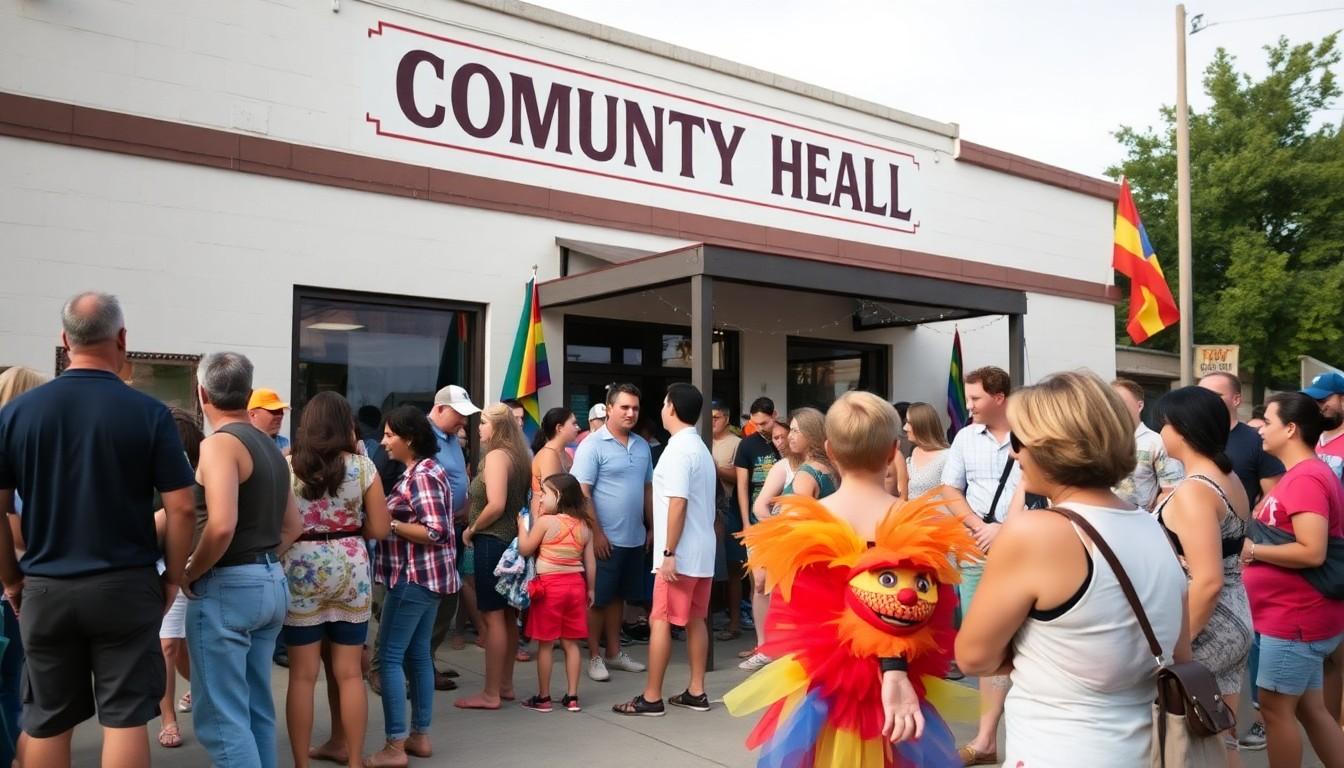
Shoppers, voters and curious locals took notice when a small Texas town’s Pride festival mixed community fundraising, colourful drag performances and a state politician’s appearance , here's what happened, why it stirred debate in Taylor, and what to consider if you care about kids, culture and campaigning in small towns.
Essential Takeaways
- Event basics: Taylor PRIDE organised a June 2021 festival with speakers, live music, craft activities and a youth-focused "drag story hour" alongside adult drag performances.
- Notable attendance: State representative and Senate hopeful James Talarico headlined the event and posed with attendees, drawing attention to his social views.
- Youth performer: An 11-year-old performer billed as Kween Kee Kee took part in a youth drag segment and hosted a storytime with PRIDE-themed crafts.
- Local reaction: The festival produced pushback from some residents and conservative groups, while organisers defended the programming as community-focused and fundraising for rural LGBTQ support.
- Ongoing context: The event ties into broader debates about LGBTQ visibility, children's programming and how politicians engage culturally in conservative regions.
What actually happened at the Taylor Pride festival
The scene was small-town and vivid: a festival at Texas Beer Company with music, speakers, a "drag story hour" and performers both adult and young, complete with bright outfits and glitter. Taylor PRIDE posted promotional material highlighting musical guests, speakers and “the absolute cutest & youngest of our drag performers,” drawing extra attention to a preteen stage name Kween Kee Kee.
Organisers framed the event as fundraising and community building for rural LGBTQ residents. According to local reporting and the group’s own posts, the lineup mixed family-friendly activities like storytime and crafts with traditional evening drag performances, which is what prompted some of the controversy afterwards.
Why a politician’s presence mattered
James Talarico, a state representative running for U.S. Senate, headlined and spoke at the event. For a candidate from a more progressive corner of Texas politics to appear in a conservative-leaning community almost 50 miles from Austin was always likely to get media attention.
Talarico’s attendance became a talking point because his past remarks on gender and religion have already been polarising. Opponents used the photos and the youth programming to question whether his cultural positions map onto views held by the broader Texas electorate, while supporters said he was showing solidarity with a minority community.
The debate over youth participation in Pride events
The inclusion of an 11-year-old in a youth-oriented segment fed an intense cultural conversation. Taylor PRIDE described the role as both a performance and a storytime with crafts; photos and a social-video clip showed a child performer in costume entertaining families.
Critics called the set-up inappropriate and accused organisers of exploitation, while the group denied those claims and framed the programming as community and family focused. This episode echoes a larger national debate over where to draw lines between family-friendly visibility and adult entertainment in public events.
What communities and candidates can learn from the reaction
Small towns and campaign teams should expect sharper scrutiny when political figures join events that mix family programming and adult-oriented elements. Transparency about schedules, clear labelling of child-friendly activities, and advance communication with parents and local leaders can reduce misunderstandings.
Candidates who want to engage with diverse constituencies might consider smaller, more targeted meet-and-greets if they're nervous about optics, or explicitly separate "family hours" from late-night performances. For communities, a clear code of conduct and programme guide helps families know what to expect.
Wider political ripple effects and what’s next
The festival’s fallout , including protest chatter and later controversy around a Christmas parade float , shows how a single event can stay in local conversation for months. Opponents used the episode in campaign messaging, while supporters cast it as ordinary local culture and charity work.
For voters, the takeaways are practical: inspect event programmes, listen to local organisers and weigh how cultural engagement fits with a candidate’s wider priorities. Events like this tend to sharpen existing divisions rather than create new ones.
It's a small local moment with outsized noise , worth a glance if you care how culture, kids and campaigning collide in communities.
Source Reference Map
Story idea inspired by: [1]
Sources by paragraph: