Celebrate this moment: South African Deputy Minister Mmapaseka Steve Letsike has been honoured with the Emerging Leader Award at the International Pride Awards during WorldPride Amsterdam 2026, a recognition that spotlights generational leadership, hard-won constitutional protections and renewed urgency in the fight for LGBTIQ+ equality.
Essential Takeaways
- Awarded at WorldPride: Letsike received the Emerging Leader Award at the International Pride Awards in Amsterdam, presented by UNDP and ILGA World.
- Rooted in activism: The honour recognises decades of South African activism now carried into democratic institutions, with a focus on LGBTIQ+ rights and wider social justice.
- Context of risk: The prize highlights work done in environments where advocacy can carry personal and political danger; the winner noted new threats like disinformation and surveillance.
- Practical significance: South Africa’s constitutional protections remain a milestone, but the award underscores that legal rights must be translated into lived safety and economic inclusion.
- Emotional note: Letsike framed the prize as collective , a nod to past generations while urging young activists to shape the next phase of liberation.
A visible win at WorldPride , what happened and why it feels significant
Letsike’s recognition landed on a global stage during WorldPride Amsterdam, where activists, policymakers and community leaders gathered amid a festive, determined atmosphere. According to UNDP and ILGA World, the International Pride Awards celebrate people who advance safety and freedom for LGBTIQ+ communities, often under serious risk. The applause for Letsike was not just personal , it read as an international nod to South Africa’s ongoing role in the movement.
This matters because public honours can shift attention and resources. When a political figure known for grassroots organising is honoured abroad, it amplifies local struggles and validates the push to turn constitutional promises into everyday realities. If you follow human-rights wins, think of this as both a trophy and a megaphone.
From grassroots to government , tracing Letsike’s leadership journey
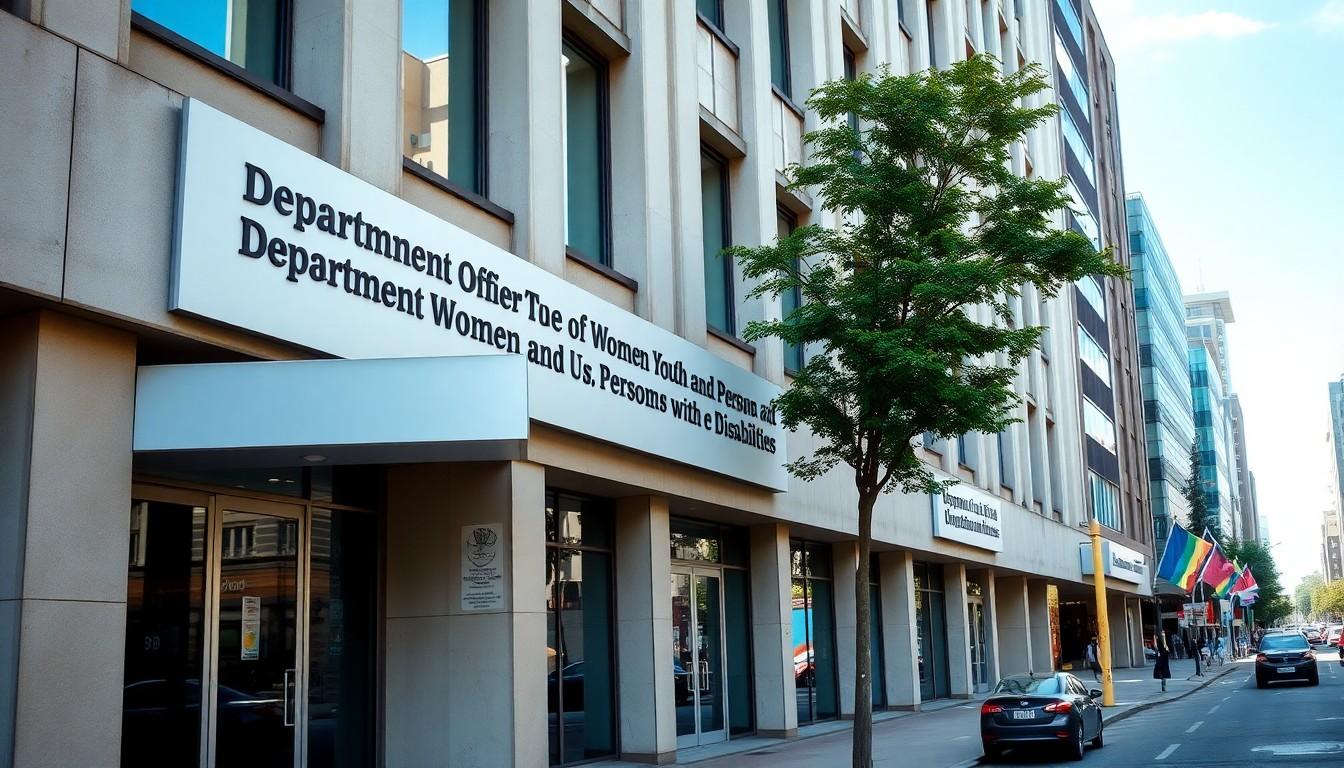
The Department of Women, Youth and Persons with Disabilities pointed to a leadership arc that moves from decades of activism into formal governance. Letsike herself acknowledged standing “on the shoulders of generations” who risked visibility in far more dangerous moments. That continuity , activism informing policy , is a rare and powerful combination.
For activists and voters alike, it’s a useful reminder: institutional power can be harnessed by people who cut their teeth in community organising. If you’re choosing allies in politics, track where their experience began and how it translates into concrete protections and programmes.
Rights on paper vs lived equality , why the award underlines unfinished business
South Africa’s constitution famously prohibits discrimination on grounds including sexual orientation, a global milestone often cited by advocates. Yet the department reiterated that constitutional recognition is not the finish line. Violence, hate crimes, economic exclusion and social prejudice persist.
That gap between law and lived experience is the practical battleground. For community leaders and service providers, the lesson is to pair legal advocacy with anti-violence work, economic inclusion schemes and local education. For individuals, it’s a cue to support organisations that do both courtroom work and street-level services.
The new frontiers of backlash , why Letsike warned about organised anti-rights movements
Letsike used her acceptance speech to highlight emerging threats: coordinated transnational anti-gender movements, disinformation campaigns and political mobilisation aimed at rolling back gains. That’s consistent with sessions at WorldPride’s conference that looked at legislative strategies to resist global pushback.
If you’re trying to follow the debate, watch three things: narratives (how disinformation spreads), policy targets (which laws are under attack), and the networks behind campaigns. Community resilience will depend on rapid responses, clear communications and cross-border solidarity.
What this recognition means for Africa and the next generation
The department framed the award as more than personal recognition , it’s also a claim about Africa’s own histories of diversity and resistance, countering the false idea that LGBTIQ+ equality is a foreign import. Letsike’s message to young activists was both realistic and hopeful: new technologies and risks change the landscape, but so does the imagination and courage of today’s generation.
For younger advocates, that’s permission to innovate , use digital tools smartly, build safe online spaces, yet never forget the value of in-person organising. For donors and allies, the takeaway is to back leadership that’s locally rooted and internationally connected.
Closing line It’s a small change that can make every struggle louder and every victory more protective , and it’s a reminder that the work of liberation is never finished.
Source Reference Map
Story idea inspired by: [1]
Sources by paragraph: