Shoppers, activists and residents are still talking about Philadelphia’s Pride weekend , and a City Council hearing this week put police tactics, arrests and public safety planning under a microscope. Who spoke, what officials said, and why this matters if you care about civil liberties and community trust.
Essential Takeaways
- What happened: About 15 people were arrested after crowds moved from the Benjamin Franklin Parkway to the Gayborhood, prompting allegations of heavy-handed policing and shaken attendees.
- Officers’ position: Police leaders defended crowd-control measures as routine and intended to keep people safe, saying the change of festival location complicated planning.
- Community reaction: LGBTQ+ advocates and residents called the response overly aggressive, with several witnesses describing distress and confusion.
- Officials probing: City Council held a tense hearing with Police Commissioner Kevin Bethel and other leaders, seeking accountability and clearer planning for future events.
Opening hook: arrests turned celebration into a controversy
The image of a jubilant Pride march turned sour still lingers for many attendees, a mix of colourful outfits and sudden police activity that felt startlingly out of sync with a celebration. NBC Philadelphia and other outlets reported about 15 arrests tied to the incident, and video shared widely left some festivalgoers shaken. For people who expect Pride to be a safe space, that emotional jolt has turned into a political and civic question.
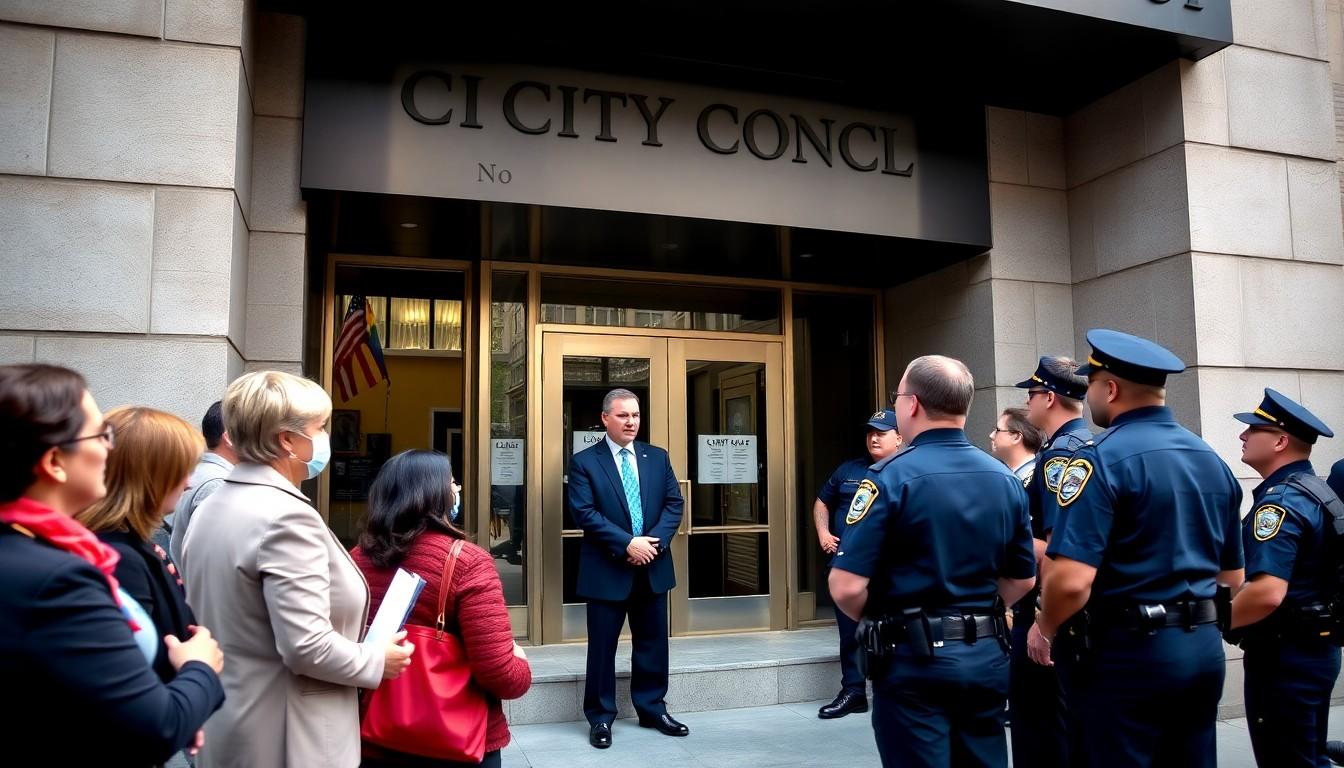
City Councilmember Rue Landau called the hearing after constituents sent photos and messages about the policing, arguing the event had been treated more like a public-safety problem than a community celebration. The hearing made clear this isn’t just about one night; it’s about whether people will feel safe returning to public celebrations.
What police said: routine tactics, complicated planning
Police Commissioner Kevin Bethel told council members the department’s tactics were part of their usual crowd-control “rhythm,” aimed at moving people along to avoid disorder. He stressed the intent was safety rather than harm, and noted planning was complicated because the official festival was on the Benjamin Franklin Parkway rather than the Gayborhood, so predicting post-event crowd movement was harder.
That defence hasn’t landed with everyone. Reporters from CBS News and FOX29 relayed tense exchanges at the hearing, and some council members pressed officers for clearer explanation and responsibility. The practical takeaway: when event locations shift, policing strategies need to adapt fast , and communication matters just as much as tactics.
Voices from the community: shaken, seeking answers
About 20 community members testified at the hearing, describing confusion, fear and what some saw as disproportionate force. Local reporting described rallies and protests in the days after the arrests, showing how a handful of incidents can ripple across neighbourhoods and social networks.
Advocates argued this is a moment to rebuild trust, not simply justify a response. They want better advance planning, transparent rules for how crowd control is used, and measures to protect civil liberties during celebrations, especially events central to LGBTQ+ life.
What the mayor and city officials are saying
The mayor’s office has been pressed to respond publicly; the Philadelphia Inquirer and other outlets covered the mayor’s statements following the incident. City leaders face the dual pressure of supporting public safety while ensuring policing doesn’t chill participation in public life.
Expect follow-ups: more briefings, possible policy reviews, and likely calls for improved training and liaison work between police and community groups before large events. If you attend future gatherings, organisers and local leaders will need to show they’ve learned from this.
Practical tips for future events and organisers
If you’re organising or attending a large public celebration, a few sensible steps can help reduce tension. Share clear route maps and exit plans with attendees, set up visible event marshals and liaisons who can talk to police in real time, and document interactions , photos or video can be crucial if questions later arise. For attendees, stick with friends, note safe meeting points, and report any troubling conduct to organisers and oversight bodies.
Community trust takes time to rebuild, but concrete changes , like better pre-event coordination and clearer rules for crowd management , can make a real difference.
It's a small change that can make every celebration feel safer.
Source Reference Map
Story idea inspired by: [1]
Sources by paragraph: