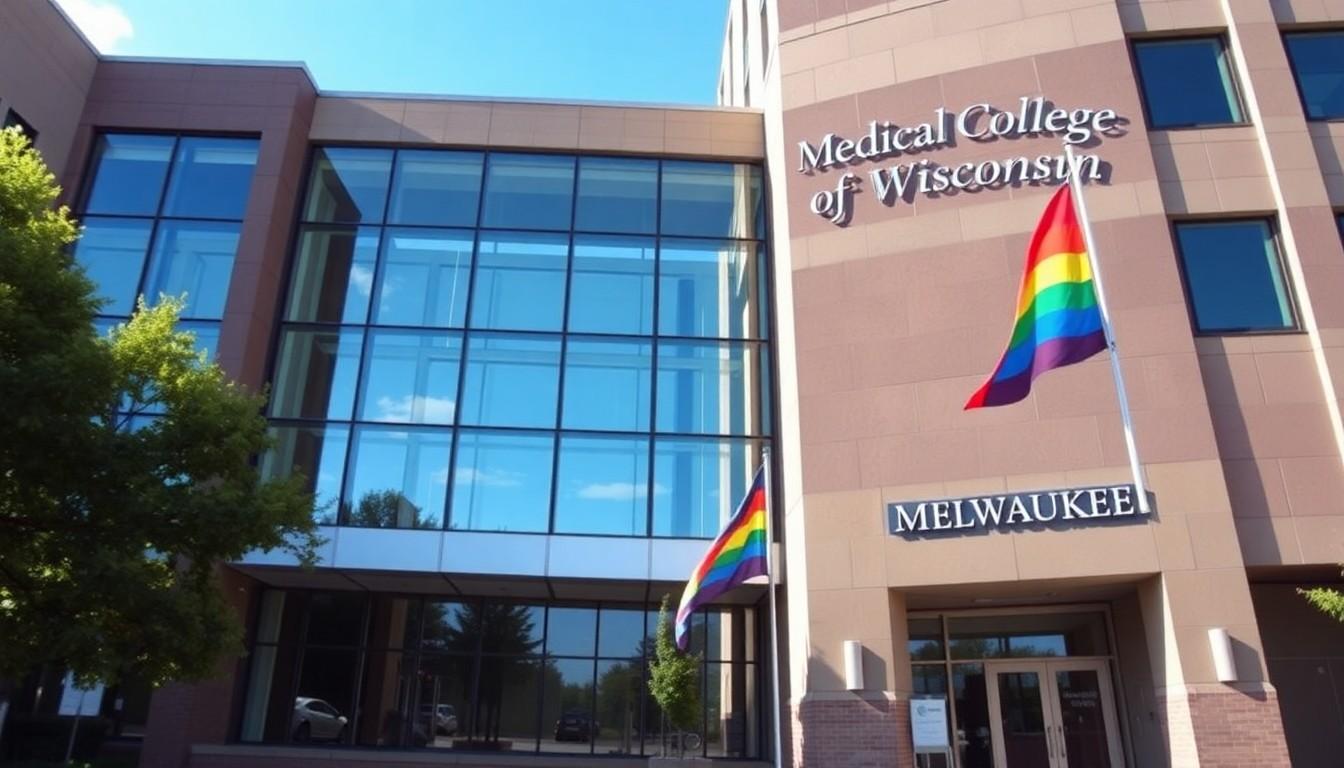
Shoppers are turning their attention to prevention , Milwaukee is recruiting gay and bisexual men and trans women aged 35+ for a free anal cancer screening study that offers expert exams, compensation and the chance to help shape screening tools that may benefit LGBTQ+ communities.
Essential Takeaways
- Who’s eligible: Gay and bisexual men and trans women aged 35 and older in the Milwaukee metro area.
- What you get: Two visits over 1–2 months with an experienced clinician, plus up to $140 in compensation.
- Why it matters: The study tests self-sampling approaches that could make screening easier and more private for high-risk groups.
- How to join: Visit mindyourbehind.org, email [email protected] or call/text (414) 882-0131.
- Backing: Funded by the National Cancer Institute and led by Medical College of Wisconsin researchers in collaboration with major cancer centres and community partners.
Why this Milwaukee study is catching attention
This study puts a clinical eye on a quietly growing public-health issue, and the details are practical and human: appointments are short, the provider is experienced, and participants are paid for their time. According to public-health research, people in certain groups face higher risks for anal cancer, and easier access to screening could change outcomes. For many, the combination of compensation, local access and a community-focused approach makes it worth a phone call.
How self-sampling could change screening for LGBTQ+ people
Self-sampling is the idea of collecting a specimen yourself , often at home , which can be less invasive and more private than clinic-only routes. Studies published in medical journals have shown willingness among gay and bisexual men to use self-collection methods, with many saying it feels less awkward and more convenient. If self-sampling proves reliable, clinics could offer hybrid options: a clinician exam when needed and home kits for routine checks, which would help people who avoid care because of stigma or travel barriers.
What participation actually looks like
Expect two brief visits over about a month or two. The study team says participants will be examined by a highly experienced healthcare provider, and you'll receive follow-up information as appropriate. The process is designed to be respectful and discreet, and community-based organisations are involved to help ensure cultural competence. Practical tip: bring a friend for support if you want, and ask about how results will be communicated before you enrol.
The science and the partnerships behind the work
The study is funded by the National Cancer Institute and led by researchers at the Medical College of Wisconsin, working with teams at the University of Chicago and MD Anderson Cancer Center. That kind of collaboration matters because it brings research expertise and clinical resources together with trusted local organisations, which helps with recruitment, retention and the chance that findings will be translated into real-world screening guidance.
How to decide if this is right for you
If you’re 35 or older and identify as a gay or bisexual man or a trans woman in Milwaukee, it’s worth checking eligibility. Consider your comfort with clinical exams, your schedule for two visits, and whether you value contributing to research that could broaden screening options. If privacy or transport is a concern, ask the team about accommodations , community partners often offer practical support.
It's a small step that could make screening easier for many people in the long run.
Source Reference Map
Story idea inspired by: [1]
Sources by paragraph: