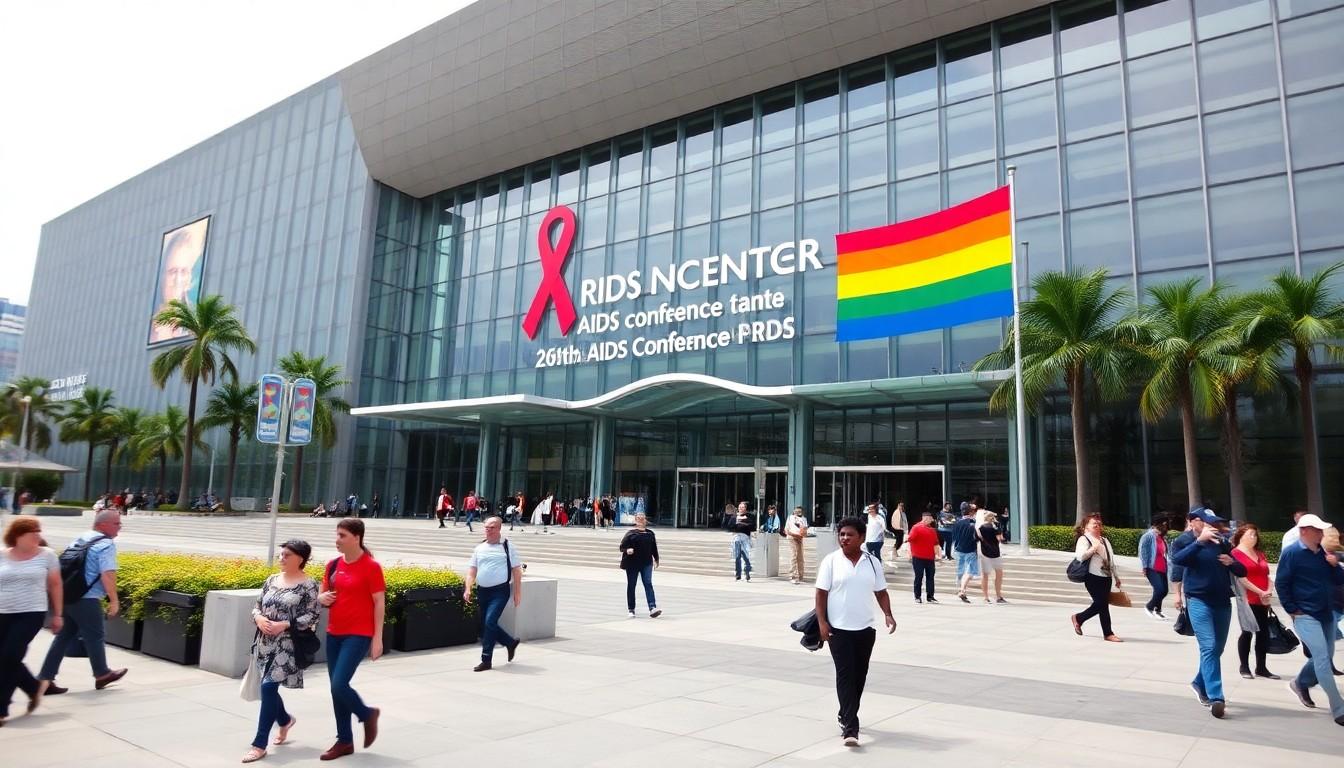
Watchdog groups and activists are sounding the alarm as global HIV funding slides and anti-rights politics chip away at services; communities in Asia‑Pacific and beyond face rising infections and shrinking support, and the fight now centres on defending gender justice, decriminalisation and community-led care.
Essential Takeaways
- Funding crunch: Donor and government HIV budgets fell sharply in 2025, reducing support for frontline services and prevention programmes.
- Services closing: Clinic closures and programme cuts hit community‑led sites first, leaving the most marginalised without testing, PrEP or harm‑reduction.
- Rights rollback equals risk: Criminalisation and anti‑gender laws drive people away from care, raising infection risk among key populations.
- Young people squeezed: Youth networks report lost safe spaces, disrupted peer education and the need to rebuild progress from scratch.
- Practical fix: Sustained domestic funding, decriminalisation, and direct support for grassroots organisations are non‑negotiable to reverse trends.
Why the timing is so dangerous , funding falls as politics hardens
The clearest problem is timing: billions were cut just as a coordinated anti‑rights movement gained steam, and that combination is brutal. According to health funding analysts, donor and government HIV financing dropped dramatically in 2025, the biggest single‑year decline since the response scaled up. When budgets tighten, it’s community clinics and peer‑led groups that lose out first, and those are the very places people at highest risk trust. For anyone who cares about prevention, that feels and looks fragile , the infrastructure is thinning at the moment it’s most needed.
What the politics look like: laws, charters and the language of ‘values’
Political campaigns leaning on “family values” and new regional declarations are reshaping policy debates, and not in a good way for public health. Organisations at recent global meetings warned that draft charters and regressive declarations are being used to re‑define family and gender, effectively erasing the people the HIV response must reach. The consequence is concrete: laws that criminalise same‑sex relations, sex work or gender expression push people away from clinics, and disinformation frames gender and LGBTQ+ rights as foreign threats. That’s not abstract , it’s a barrier to tests, medicines and prevention.
Who pays the price: key populations and the rise in risk
The data is stark: HIV risk remains wildly uneven because of marginalisation. Men who have sex with men, transgender people, people who inject drugs and sex workers face hugely elevated risks compared with the general population. UNAIDS and community leaders point out that criminalisation and stigma , not identity , drive that risk. With PrEP still reaching only a sliver of those who’d benefit in parts of Asia‑Pacific, and with domestic outbreaks reported in several countries, the practical reality is that progress can reverse fast when services and rights recede.
Young people rebuilding work that was already done
Youth advocates describe a desperate, almost nostalgic work‑plan: teaching a generation things they thought were settled. When funding and safe spaces evaporate, young people lose the peer networks and confidential services that let them test, access prevention and learn to advocate. The message from youth groups is simple: give them real space and resources, not token consultations. Allies must support leadership, not speak over it, because young organisers are the ones who keep services relevant and trusted.
What actually helps , practical steps policymakers and donors can take
There’s nothing mystical here: protect and fund community‑led services, decriminalise behaviours that drive people underground, and channel predictable domestic financing to core prevention and gender‑based violence support. Experts argue for predictable multi‑year grants to grassroots groups, legal reforms that remove barriers, and public communications that counter disinformation. Where governments integrate successful pilot programmes into national budgets, services survive even when external aid declines , that’s the model to scale.
Looking ahead: cautious hope and urgent priorities
This moment could be a turning point or a long backslide. The path back to ending AIDS by 2030 is narrower now but still concrete: restore funding focused on communities, defend gender equality and bodily autonomy, and centre key populations and young leaders in decisions. It’s worth remembering that rights‑based responses drove much of the progress so far; defending those rights is the quickest practical route to reversing new infections and deaths.
It's a small set of policy choices with huge human stakes , protect communities and the rest follows.
Source Reference Map
Story idea inspired by: [1]
Sources by paragraph: