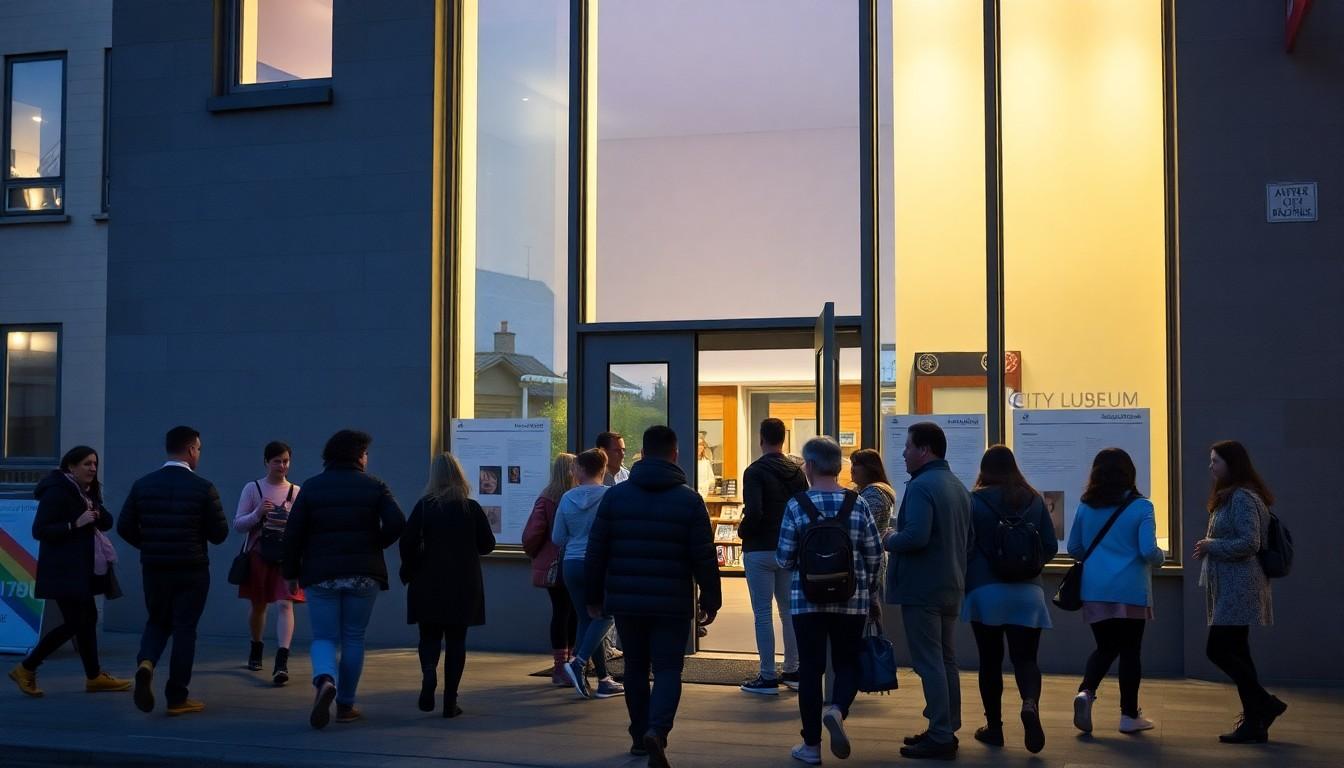
Shoppers and locals are turning out to learn where Reykjavík’s Pride began; a free evening walk with scholar and activist Ugla Stefanía traces queer history across the city, mixing protest, celebration and practical reminders of why those roots still matter.
Essential Takeaways
- Free public event: An evening walk on 6 August led by Ugla Stefanía explores Reykjavík’s queer history, starting at Lindargata and Frakkastígur.
- Dual purpose: The tour highlights both the Freedom March origins of Icelandic Pride and today’s Gleðigangan, a joyful community parade.
- Personal perspective: Ugla helped draft Iceland’s Gender Autonomy Act and brings lived experience to the route’s stops.
- Grassroots feel: Reykjavík Pride limits corporate involvement, keeping the parade community-led and intimate.
- Practical detail: Tour duration is about 90 minutes and will be conducted in Icelandic; everyone is welcome.
A walk that smells of salt and protest , the opening hook
Reykjavík’s streets feel different in August, with a faint tang of sea air and a bustle that’s equal parts planning meeting and celebration, and this walk leans into that atmosphere. According to local organisers and press, Ugla Stefanía’s evening tour will guide participants through places where Iceland’s queer movement won visibility and rights. For anyone who thinks Pride is only a party, the route insists on remembering the hard work that made those colours possible.
From Freedom Marches to Gleðigangan , the backstory
Early marches in the 1990s were called the Freedom March for Gays and Lesbians, focused on workplace protections and basic visibility rather than floats and sponsors. The story of that shift , from protest to parade , explains why Reykjavík’s Pride still feels political as well as joyful. It’s a tidy example of how movements evolve: victories pile up, ceremonies follow, and the meanings shift without disappearing.
Why Ugla’s perspective matters , trends and credibility
Ugla Stefanía isn’t just a guide; she’s worked on legislation and in activism for years, including on Iceland’s landmark Gender Autonomy Act. Her involvement gives the walk legal and personal weight, so stops like Alþingi aren’t just historic markers but sites of recent change. That mix of scholarship and activism means attendees get context, anecdotes and a sense of the practical fights that led to rights many now take for granted.
Community, not corporate: how Reykjavík keeps Pride authentic
Unlike larger, sponsor-heavy Prides abroad, Reykjavík’s parade has kept a grassroots character by limiting corporate participation. That matters to people who worry about the dilution of protest into promotion; the parade’s rules push organisers towards community groups, NGOs and grassroots floats. If you value a quieter, more locally rooted Pride, this model shows an alternative to commercialised spectacles.
Remembering to hold both protest and joy , practical insight
Ugla stresses that Pride should hold celebration and protest together because discrimination still exists, even in comparatively progressive places. For visitors, that means enjoying the parade while also learning where rights were won and where work continues. Practical tip: bring comfortable shoes for a 90-minute walk, listen for local stories that won’t appear in guidebooks, and leave space to reflect , or to join in activism afterwards.
It's a small change that can make every celebration count a little more.
Source Reference Map
Story idea inspired by: [1]
Sources by paragraph: