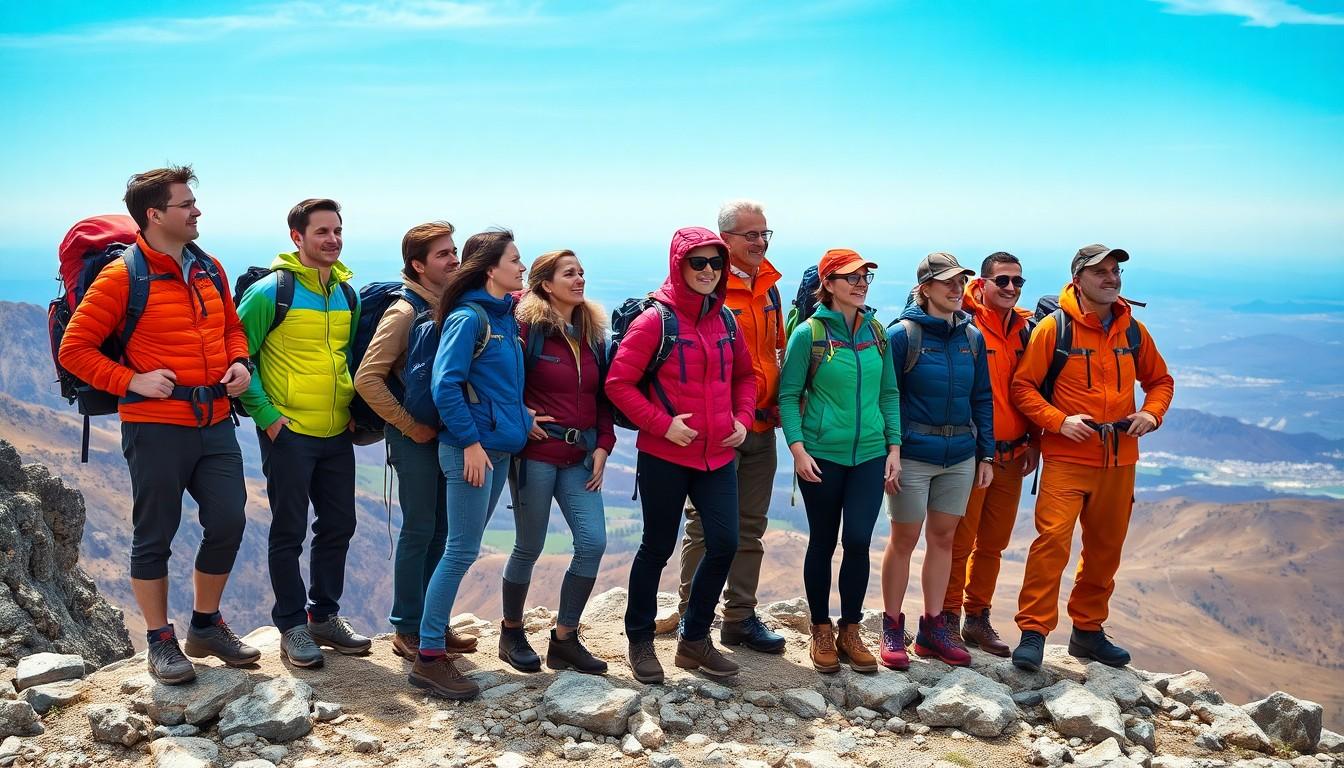
Shoppers are turning to the hills: queer hikers and climbers are discovering community, challenge and meaning on trails worldwide, from the Himalayas to the Pacific Crest. This guide shows who’s leading the way, which treks are trending, and, crucially, how to prepare so your next summit is as safe as it feels liberating.
Essential Takeaways
- Community-led trips: LGBTQ+ organisations now run guided treks and training, creating welcoming groups for every level.
- Bucket-list routes: Popular options include Everest Base Camp, Tour du Mont Blanc, Patagonia’s W Trek, the Inca Trail and Kilimanjaro, each with distinct demands.
- Safety first: Carry emergency comms, follow avalanche and weather forecasts, and leave a route plan; know the Ten Essentials.
- Inclusive clubs: Groups from grassroots queer mountaineers to national organisations make the outdoors more accessible and diverse.
- Practical prep: Choose longer acclimatisation itineraries on high peaks and match route difficulty to experience for best outcomes.
Why queer-specific treks are booming , and why that matters
There’s a clear emotional pull to reaching high places: solitude, perspective and the pure, physical satisfaction of moving through wild country. But equally important is the social shift making those experiences accessible and affirming. Organisations now offer all-gay departures, queer-friendly guides and training courses so people can bring their full selves to the trail without the usual barriers.
Many hikers report a quieter confidence on trips where community is explicit; you’re not just ticking a summit off a list, you’re joining people who’ve thought about safety, logistics and inclusion. For anyone new to organised adventure travel, that combination of practical planning and peer support is reassuring.
Top bucket-list hikes and what each really demands
Not all great treks are created equal. Everest Base Camp delivers Himalayan panoramas and Sherpa culture but is an altitude test; the Inca Trail gives Machu Picchu’s dramatic dawns but needs permits booked months ahead. The Tour du Mont Blanc is brilliant if you want cross-border scenery with refuges to rest in, while Patagonia’s W Trek is weather roulette, bring layers and patience.
If you dream of Kilimanjaro, pick a seven- or eight-day route for proper acclimatisation; shorter itineraries raise the odds of turning back or getting ill. And the Pacific Crest Trail is less a holiday and more a life experience, section hikes are a good way in if you’re not ready for five months on trail.
Clubs and groups making the outdoors welcome
Grassroots and national organisations now fill the calendar with hikes, skills sessions and longer expeditions. Volunteer-led groups focus on accessibility, gear sharing and lowering financial barriers so mountaineering isn’t just for a privileged few.
Joining a club does more than offer company. It’s where you learn to match pace, practice route planning and understand group decision-making, skills that mountain rescue teams repeatedly flag as lifesavers. If you want to train for alpine routes, look for groups that provide navigation, avalanche awareness and basic alpine leadership.
Safety essentials: what to pack and how to think like a mountain person
The mountains are beautiful and merciless in equal measure. Treat planning as part of the trip: check avalanche forecasts, fire and heat warnings, and local weather. Always leave a detailed route plan with someone reliable and never assume mobile coverage.
Carry a simple kit built around the Ten Essentials, navigation, headlamp, waterproofs, extra clothing, food, water, sun protection, first aid, fire starter and emergency shelter, and consider a satellite messenger or PLB for remote areas. Match your ambitions to experience: altitude sickness, dehydration and bad decision-making do more harm than poor fitness.
Practical tips for finding the right queer-friendly trip
Start local to build skills and confidence: day hikes, weekend wild camps and skills clinics teach gear, pacing and group etiquette. When choosing guided departures, ask about guide vetting, group size, and the company’s policy on inclusivity and safety. For high-altitude ambitions, prioritise itineraries with longer acclimatisation windows and professional medical contingency plans.
Follow queer outdoor leaders and local clubs on social media to find meetups, training days and youth programmes. Those feeds aren’t just aspirational, they’re the best way to spot trips, discounts and peer advice tailored to queer adventurers.
It's a small change that can make every climb safer and more joyful.
Source Reference Map
Story idea inspired by: [1]
Sources by paragraph: