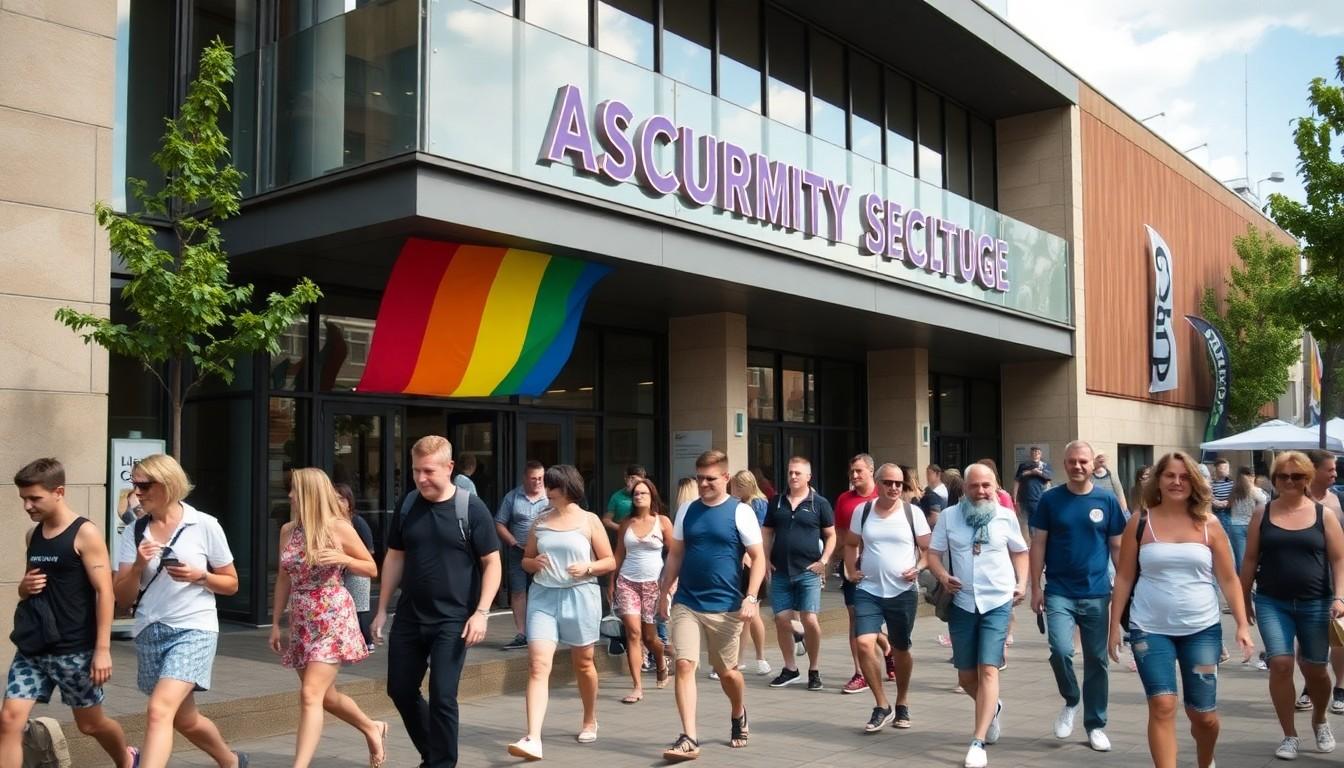
Shout it loud: people are choosing to gather, celebrate and be visible, and that choice matters for everyone’s right to live and love freely. In Stockholm this weekend, colourful parades and determined joy proved a simple point , showing up is the strongest answer to threats and the slow creep of self‑censorship.
Essential Takeaways
- Visible defiance: Stockholm Pride went ahead with bright, noisy celebrations despite threats, creating a secure, uplifting atmosphere.
- Safety through numbers: Gathering in public, with police protection, made the event harder to intimidate and helped participants feel safe.
- Historical context: Pride began as self‑defence against repression; its roots still inform why visibility matters today.
- Cost of silence: Years of threats against artists and writers have encouraged self‑censorship in the West, narrowing public debate.
- Practical lesson: Maintaining open cultural spaces and protecting expression prevents extremists from setting the rules.
Pride as a practical answer: louder, not quieter
The weekend’s parade felt like sunshine made manifest , colour, costumes and a steady drumbeat of music. According to SvD, the festival’s mood was “glatt och lite allvarligt”, and that mix is telling: joy doesn’t erase risk, but it refuses to be cowed by it. Gathering in numbers with visible celebration is a tactical way to blunt the impact of those who try to intimidate.
Pride’s origins are rooted in resistance: the first marches were defence against police and societal exclusion. Today the tactic still works , when people assemble and are unashamed, attacks become harder to execute and harder to normalise. If you care about keeping public life open, the message is simple: show up, make space, and don’t let fear set the timetable.
When threats chill the cultural conversation
There’s a darker flip side: artists and journalists have long faced violent reprisals for provocative work, from writers to cartoonists. SvD points to cases stretching from Salman Rushdie to attacks linked to cartoons and satirical magazines; the result has often been a cautious, arm’s‑length approach to risky subjects. That creeping self‑censorship shrinks what we can say and see in public.
Protecting culture is not mere sentimentality , it’s a practical defence of pluralism. If institutions and audiences habitually step back when threats appear, the frontier of acceptable expression contracts. The antidote isn’t gratuitous provocation but a deliberate decision to defend open expression so that fear doesn’t do the choosing for us.
Why the state and public protection matter
Police walking alongside parade participants is not theatre; it’s an operational reality that makes gatherings feasible. SvD noted police protection as a given around the march, and that’s important: visible, competent security reassures people and signals that democratic society won’t be run by the loudest threats.
Still, protection alone isn’t enough. Public institutions, editors and cultural funders must also resist implicit messaging that controversial voices are too risky to back. A combined approach , physical safety, legal safeguards and civic support for free expression , keeps the public sphere resilient.
Choosing visibility without risking harm
There’s a balance to strike between courage and care. Showing up is vital, but so is sensible planning: organisers can stagger routes, work with security services, and communicate clearly with participants about what to expect. That keeps celebrations joyful and reduces risk without surrendering the core message.
Individuals can contribute too: attend events, amplify marginalised voices on social media, and support cultural creators financially or by buying tickets. Those small actions add up, making it harder for violent actors to isolate targets or to make silence the only option.
A simple civic truth: pride protects freedoms
At base, Pride reminds us that some freedoms don’t survive in private. Public celebration , of love, identity and dissent , creates a culture where rights feel lived rather than theoretical. SvD’s editorial finds hope in that stubborn, noisy insistence that we will not be silenced.
So keep the music playing, keep the banners bright, and keep showing up , it’s both a celebration and a defence.
It's a small change that can make every public expression safer.
Source Reference Map
Story idea inspired by: [1]
Sources by paragraph: