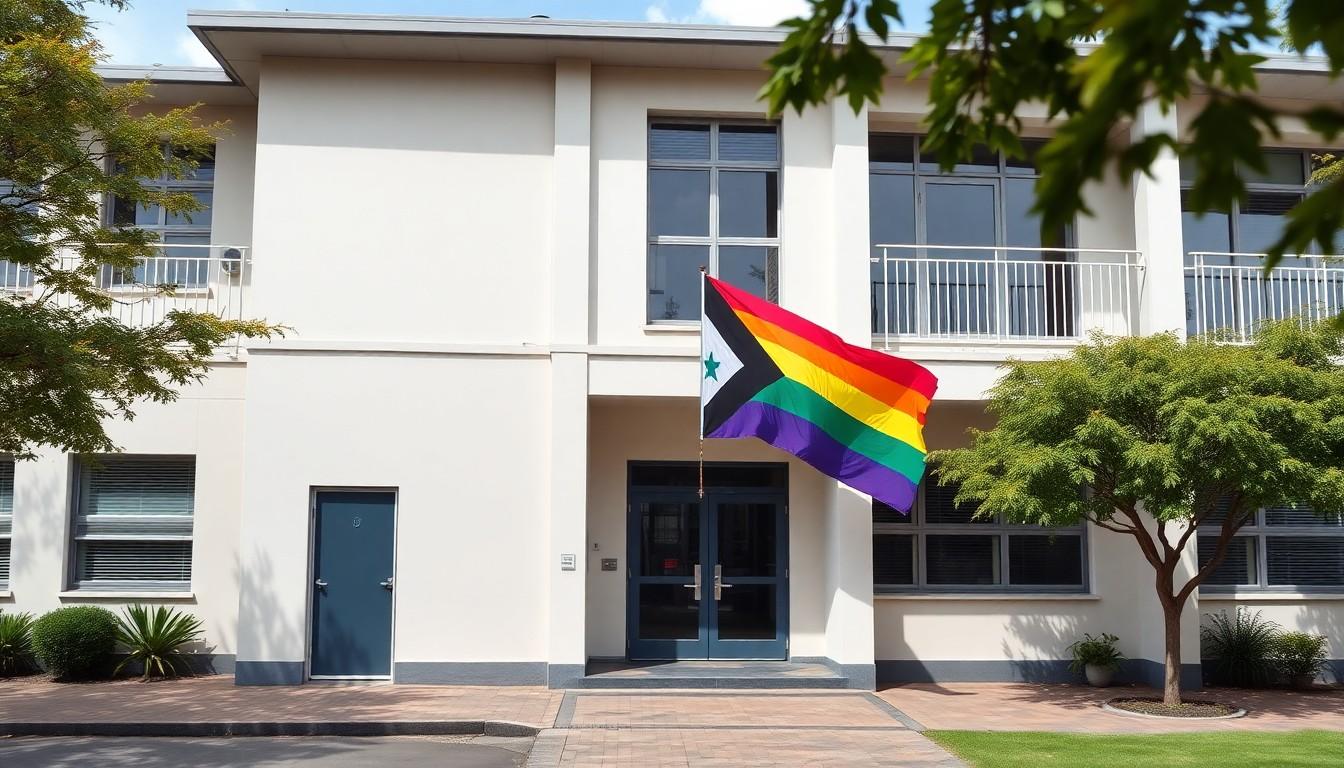
Shoppers of ideas and parents alike have noticed a gap , learners still wait as national DBE guidance on sexual orientation, gender identity, expression and sex characteristics lingers seven years in draft. The delay matters because schools, pupils and families need clear, practical steps now to stop bullying, absenteeism and exclusion.
Essential Takeaways
- Seven-year stall: The Department of Basic Education’s inclusive guidelines have been in development for seven years and are now said to be in “advanced stages.” They aim to operationalise existing constitutional protections.
- Local action fills the void: Some schools, like Westerford High and Bishops Diocesan College, are already experimenting with gender-neutral uniforms, pronoun badges and pupil-led support groups. These moves feel tangible and low-key.
- Human cost: Civil society warns the administrative delay has real effects , increased minority stress, absenteeism and dropouts among LGBTQI+ learners.
- Non-binding confusion: Framing the guidance as “non-binding” risks implying constitutional rights are optional; advocates want a firm implementation timeline.
- Practical wins: Simple measures , optional pronoun badges, inclusive language in assemblies, clear anti-bullying responses , make campuses feel safer and less performative.
A seven-year wait that shapes a child’s whole school life
Seven years is practically a learner’s entire journey from primary to matric, and in those years small daily harms add up into real setbacks. According to civil society groups, the DBE’s slow progress leaves schools without a national blueprint to respond consistently to discrimination. That’s not an abstract legal issue; it’s about whether a child feels safe to attend class, ask questions or be themselves. Parents and advocates want a clear timetable for publication so the uncertainty stops costing kids their education and wellbeing.
When national policy stalls, schools improvise
While the DBE finalises policy, schools such as Westerford High have quietly adopted practical steps: neutral uniform options, standardised hair and jewellery rules, and optional pronoun badges. Teachers report the unfamiliar quickly becomes familiar, and those small, normalising changes reshape school life more than any single pronouncement could. The lesson for other schools is simple , you don’t need a national act to start making your site less hostile; you need commitment and consistency.
The “non-binding” label complicates things
Officials have described the forthcoming guidelines as non-binding operational guidance, intended to help schools rather than impose rules. But advocacy groups caution that wording risks suggesting constitutional protections are discretionary. In practice, clarity matters: schools need operational steps , how to handle bullying reports, privacy around sex characteristics, uniform disputes , not just reassurance that rights exist on paper. A timetable for rollout would help provinces move from ad hoc solutions to standard practice.
What inclusive practice looks like on the ground
Practical inclusion tends to be low-drama: gender-neutral language in assemblies, allowing pupils to choose uniform options, and student-run societies that host conversations. Westerford’s Plus society, for instance, is run by pupils and creates weekly spaces to discuss identity and safety. Those peer-led structures do more than signal goodwill; they teach incoming cohorts how to behave and model everyday respect. Schools that commit to ongoing education say the most important measure is that pupils believe their peers won’t humiliate them online or in corridors.
How parents and schools can act now
If you’re a parent worried about a child’s safety, ask your school about existing anti-bullying procedures, confidentiality rules and whether there are pupil-led support groups. Schools can start with modest, evidence-backed steps: uniform flexibility, private reporting channels, staff training on pronouns and respectful language, and clear responses to harassment. These moves are inexpensive, concrete and immediately protective , exactly what learners need while national guidance is finalised.
It’s a small operational shift that can make every school day safer for a child.
Source Reference Map
Story idea inspired by: [1]
Sources by paragraph: