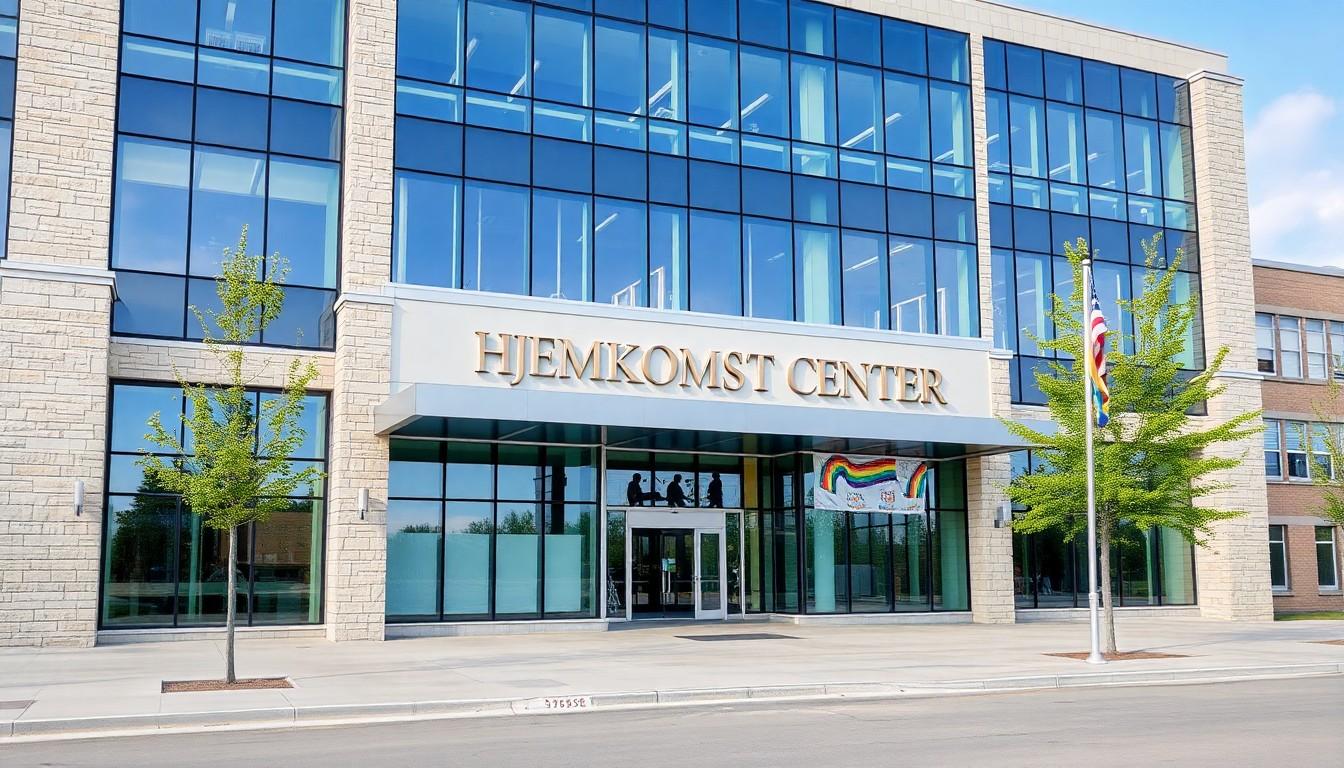
Shoppers are turning to community memory: FM Pride’s 25‑year journey was the subject of a packed history talk at the Hjemkomst Center, tracing how local organisers turned cautious gatherings into a full weekend of Pride in the Park, parades and dance nights , and why that history still matters today.
Essential Takeaways
- Long arc: FM Pride traces its roots to late‑1970s groups and the first declared Gay‑Lesbian Pride Week in Fargo in 1984.
- Early caution: The first FM Pride picnic in 2001 was private and low‑profile for safety; attendees asked media not to cover it.
- Growth: By 2004 the event included a two‑block parade and about 200 people; today Pride fills Civic Plaza and a weekend schedule.
- Mixed reception: Early protests, vandalism and discrimination contrasted with steady civic support, including repeated mayoral proclamations.
- Generational shift: Older attendees recall fear and closeting; younger people often take acceptance for granted but show interest in history and current rights.
A packed house and a tangible hum of memory
Tammy Lanaghan’s presentation to more than 50 people at the Hjemkomst Center felt less like a lecture and more like a living scrapbook , soft paper, old photographs and the warm murmur of recognition. According to local coverage, the talk, A Pride of Our Own, walked the room through the region’s LGBTQ organising from the late 1970s through today. It’s a reminder that community rituals often begin quietly, with small, careful acts rather than headline moments.
From DLC to Prairie Gay Community , the backstory that people forget
The local movement didn’t spring up overnight. Early groups like DLC evolved into outfits such as Prairie Gay Community, setting the groundwork for decades of work. The step that stands out is former Fargo mayor Jon Lindgren’s 1984 declaration of “Gay‑Lesbian Pride Week,” which he repeated despite a city commission vote to rescind the first proclamation. That kind of civic friction illustrates how local politics and personal courage intertwined to keep momentum alive.
Private picnics, guarded gatherings and the first FM Pride
When FM Pride held its inaugural picnic in 2001 at Gooseberry Mound Park, organisers prioritised safety and privacy, even asking reporters to stay away and posting security to steer media clear. People who’d been there remember the awkwardness of secrecy , “not very prideful,” one attendee said , yet they also recall relief at having a local place to celebrate without travelling to the Twin Cities. It’s a useful snapshot of how communities balance visibility and protection.
Protest, vandalism and the slow move to public parades
Opposition wasn’t purely rhetorical. Incidents through the 1990s and 2000s , from YMCA membership refusals to vandalised banners and defaced chalk messages , show how visible backlash could be. Yet the movement persisted: in 2004 a short Broadway parade drew about 200 people and featured Lindgren as grand marshal. Those early marches were modest but meaningful, a kind of proof‑of‑concept that public celebration could stick.
Why the calendar shifted and what that meant for participation
Organisers later moved main events away from June to August so local college students could take part after summer break, and to avoid clashing with Twin Cities Pride. Today FM Pride’s schedule includes Pride in the Park at Civic Plaza, an evening dance and a Sunday parade , a weekend rhythm that says the event is no longer a one‑off but an anticipated community fixture. For families and younger attendees, the timing makes participation practical and inclusive.
What today’s Pride means to different generations
Hearing stories from people who attended the earliest gatherings alongside younger locals highlights a generational gap in experience. Older participants describe caution and closeting; younger people often grew up with more acceptance, yet many are eager to learn the history and stay alert to political threats. That mix of gratitude and vigilance keeps the story relevant: rights earned can feel fragile, and remembering how progress happened matters.
It's a small change that can make every Pride celebration feel rooted, safer and more meaningful.
Source Reference Map
Story idea inspired by: [1]
Sources by paragraph: