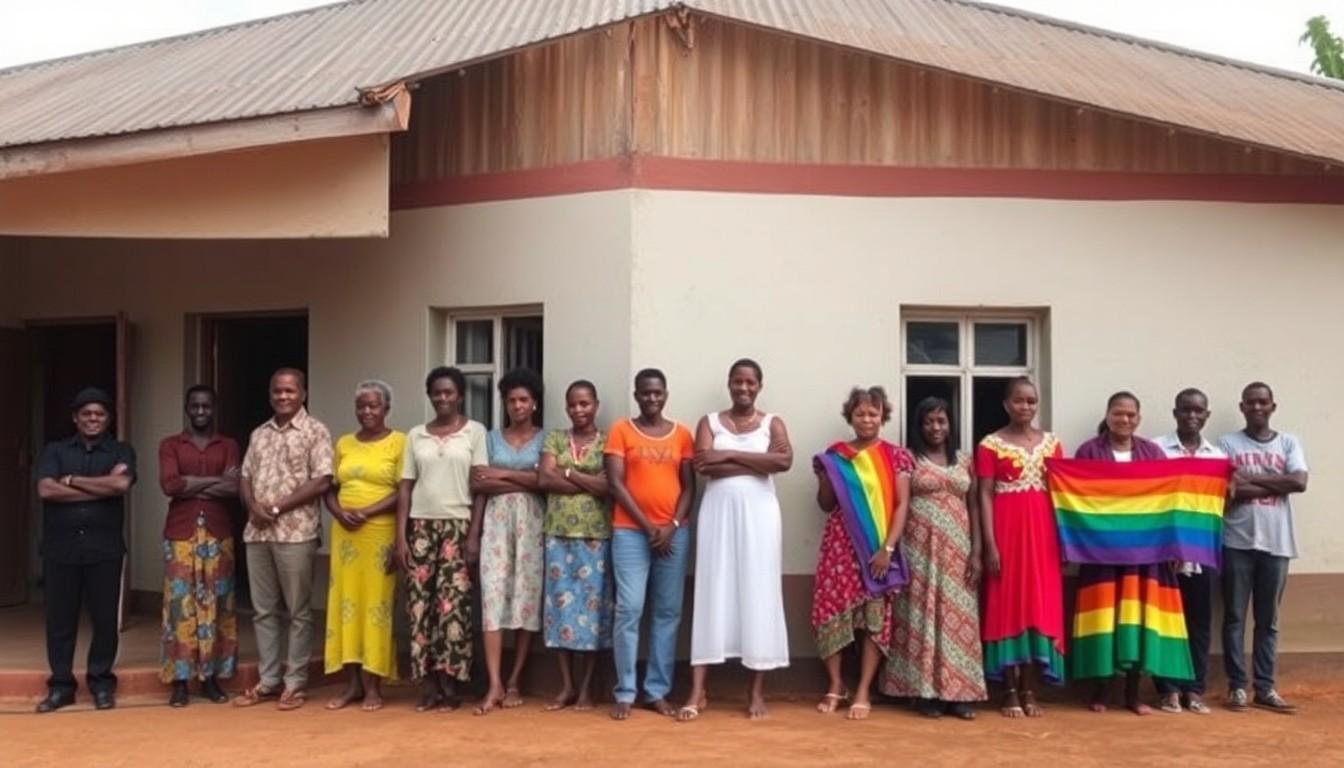
Shoppers, pastors and community leaders are quietly urging change as LGBTQ+ Malawians report attacks, stigma and trouble getting healthcare; activists say legal reform is needed now to stop violence and exclusion in towns like Blantyre and Mpemba.
Essential Takeaways
- Immediate concern: LGBTQ+ people in Malawi report physical attacks and entrenched stigma that make daily life unsafe.
- Healthcare barriers: Many face refusal or poor treatment at public health facilities, affecting access to sexual health and general care.
- Local allies: Some village heads, pastors and religious HIV network coordinators are publicly calling for protection.
- Legal roadblock: Malawi’s criminalisation of same-sex relations, upheld by the Constitutional Court in 2024, leaves rights unprotected.
- Organisations on the ground: Local groups and regional NGOs are running outreach and support, but say legal change is crucial for lasting safety.
Why people are stepping forward now: vivid stories, quiet courage
A cluster of women from Mpemba, Ndirande and Machinjiri have gone public about attacks and daily discrimination, painting a vivid picture of what stigma looks and feels like on the ground. Their accounts are raw and specific , the furtive clinic visits, the risk of walking home at night , and they’ve prompted an unusual chorus of local voices urging action. That local backing matters: when a village headman or a pastor asks for protection, it reframes the issue from a “foreign” cause to a community safety concern. For people deciding whether to speak up, even a single local ally can make the difference between silence and seeking help.
Health services under strain: why criminalisation leads to poor care
Access to public health facilities is frequently blocked by stigma, and criminalisation amplifies that. Healthcare workers may hesitate to treat or to provide sensitive sexual health services to LGBTQ+ patients, while patients fear reporting abuse. International groups including Amnesty International and Human Rights Watch warned after the 2024 court ruling that upholding bans on same-sex conduct will make healthcare access worse. Practically, that means missed diagnoses, interrupted HIV prevention and a chilling effect on people seeking routine care , a public health problem as well as a human-rights one.
Unlikely allies: faith leaders and community heads weigh in
Several local leaders have publicly supported calls for protection, showing the debate is shifting beyond activist circles. A Group Village Headman and members of a pastors’ fraternity in Blantyre have urged duty bearers to act, and a coordinator for a network of religious leaders affected by HIV and AIDS has joined the plea. Those endorsements matter because they signal that protecting vulnerable people isn’t only a legal debate , it’s about local stability, health and community cohesion. If more leaders continue to frame safety as a shared responsibility, policymakers may find it harder to ignore.
Legal landscape: what the 2024 ruling means in practice
Malawi’s Constitutional Court refusal to overturn laws criminalising same-sex relations in June 2024 remains the central legal barrier. Human Rights Watch called that decision “a dark day” for LGBT people in Malawi, and Amnesty described it as a bitter setback. The practical effect is straightforward: criminalisation entrenches discrimination, discourages reporting of crimes, and gives service providers and officials legal cover to deny or degrade care. For change advocates, winning reforms at the ballot box or through legislative pressure , as some observers urged ahead of later elections , is seen as the only route to sustainable protection.
What community groups are doing and what still needs to happen
Local organisations and networks are providing outreach, legal support and safe spaces, working under difficult conditions. Groups such as the Malawi Network of Religious Leaders Affected by HIV and AIDS and other LGBTIQ programmes are trying to plug gaps in healthcare and counselling. But they stress that services alone can’t remove the root cause: discriminatory laws. Campaigners argue for a two-pronged approach , immediate protections and training for service providers, plus longer-term legal reform to decriminalise same-sex relations and enshrine non-discrimination.
How ordinary people and policymakers can act now
Practical steps matter. Health clinics can adopt clear non-discrimination policies, local leaders can publicly pledge safe access to services, and community organisations can receive support for confidential helplines and legal aid. For policymakers, the simplest changes , training for public servants and protection guidelines for healthcare workers , would reduce harm even before laws change. And for allies, small acts like amplifying voices, donating to local support groups or pressing representatives for reform add up.
It's a small change that can make daily life safer for many.
Source Reference Map
Story idea inspired by: [1]
Sources by paragraph: