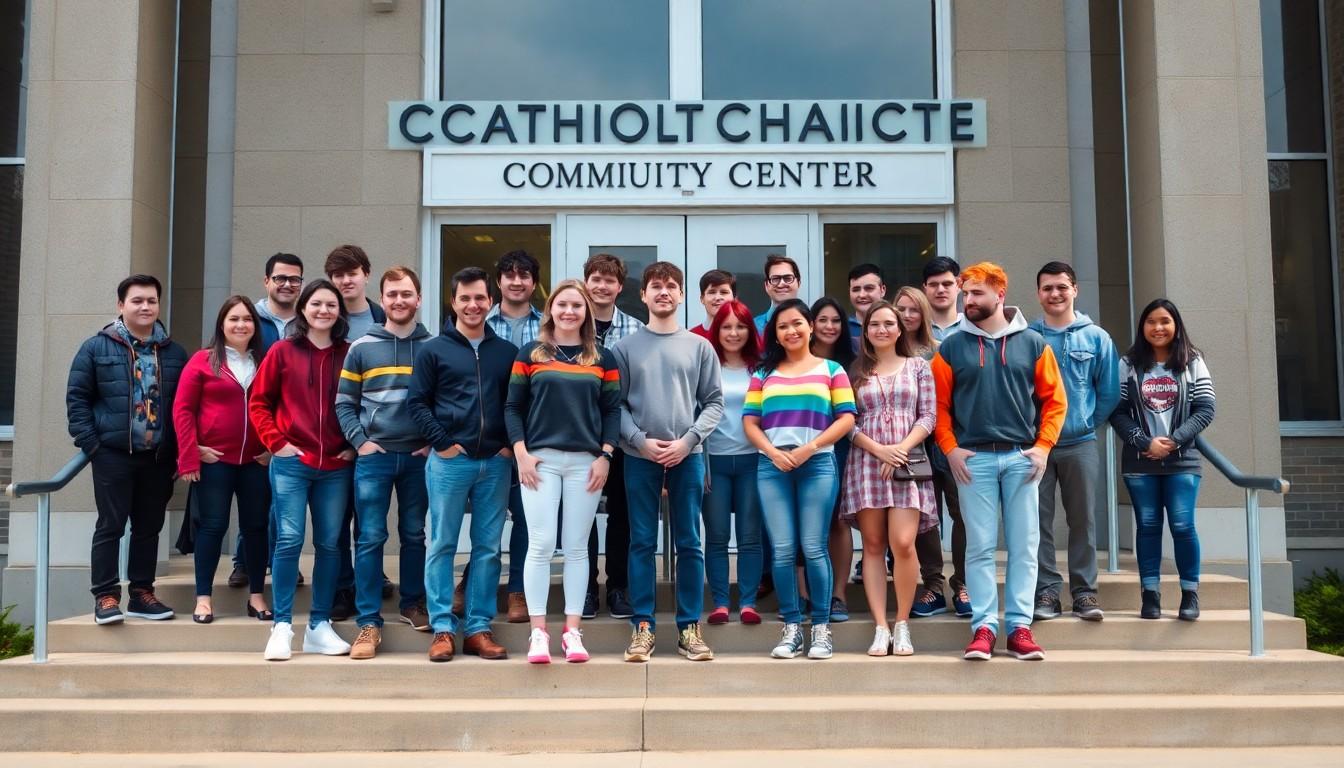
Shifting into high gear: organisers, parishes and youth groups are already planning for World Youth Day Seoul 2027, while legal and local church developments in the US show how faith and pastoral care are being debated closer to home. Here’s what young pilgrims and their communities should know, and why it matters.
Essential Takeaways
- Dates and place: World Youth Day Seoul runs from 3–8 August 2027, drawing international Catholic youth for prayer, catechesis and communal worship.
- Counselling update: Michigan restrictions on some religious-based counselling for minors were recently reversed, changing how Catholic charities and counsellors may serve families.
- Papal encouragement: Pope Leo XIV urged Peruvian youth to be joyful, contagious witnesses of faith, a message aimed at energising local ministry.
- Local solidarity: West Virginia parishes stepped into practical relief after deadly flash flooding, showing grassroots Catholic response.
- Security and stewardship: Incidents at Marian shrines abroad underline the need for careful stewardship and pastoral sensitivity at pilgrimage sites.
Why Seoul is already on every youth leader’s radar
World Youth Day is one of the most recognisable events in modern Catholic life, and the US Conference of Catholic Bishops has long promoted diocesan preparation for major WYDs. Expect a lively, colourful week of catechesis, music and large-scale liturgies, with organisers planning for tens of thousands of international visitors. For youth leaders, that means booking early, building a formation programme and arranging practicalities such as host families, travel insurance and clear safeguarding plans.
Local parishes benefit from starting now: fundraising can be paced, catechists can be trained, and young pilgrims get time to prepare spiritually. It’s also a chance to build ecumenical friendships and cultural exchange, which often proves the most memorable part of WYD.
What the Michigan counselling decision means for parishes and families
In Michigan a legal push involving a Catholic Charities affiliate challenged a state law restricting “conversion therapy,” and recent developments have altered the landscape for religious-affiliated counselling. Catholic ministries that provide pastoral support to families dealing with gender questions will need to reassess how they offer care, balancing compliance with state law and fidelity to pastoral principles.
Parishes should check with diocesan offices and legal advisers before offering formal counselling services, and prioritise referrals to licensed professionals when needed. Clarity, compassion and confidentiality are the essentials: parents and young people need safe, principled spaces to talk without fear.
Pope Leo XIV’s message , what it looks like in everyday ministry
Pope Leo XIV’s appeal to Peruvian youth to become “instruments of God” is more than a soundbite; it’s a pastoral nudge for practical engagement. Young people who are lively in faith tend to spark curiosity and hope in their communities, whether that means youth-led outreach, volunteer projects or simply joyful witness in schools and workplaces.
Parishes can harness that energy by offering concrete formation: short retreats, lay-formation courses, and micro-ministries that fit young schedules. The payoff is visible , a parish with active young people often feels fresher, louder and more inviting.
When disaster hits: West Virginia shows parish response in action
After flash floods swept through parts of north-central West Virginia, Catholic parishes mobilised to help affected families, providing shelter, food and practical assistance. These local responses remind us that parish life isn’t just about worship , it’s also neighbourly action, rolled up sleeves and quick coordination.
If your parish wants to be ready for local emergencies, consider forming a disaster-response team, training volunteers in basic logistics, and building relationships with community agencies. Simple supplies, a spreadsheet of needs, and a rota of drivers can make disaster relief faster and more humane.
Pilgrimage sites and protection: lessons from incidents abroad
Vandalism at Marian sites in Europe and beyond has become a worrying flashpoint. Such incidents show the emotional and cultural significance attached to pilgrimage sites, and they underscore the need for careful stewardship: clear visiting rules, respectful signage, discreet security and pastoral outreach to those who come with troubled pasts.
Pilgrimage organisers should balance welcome with protection , ensuring that shrines remain sites of prayer rather than targets of provocation. Educational programmes for pilgrims about the history and etiquette of a shrine can calm tensions and deepen devotion.
It's a small change that can make every pilgrimage and local ministry safer and more fruitful.
Source Reference Map
Story idea inspired by: [1]
Sources by paragraph: