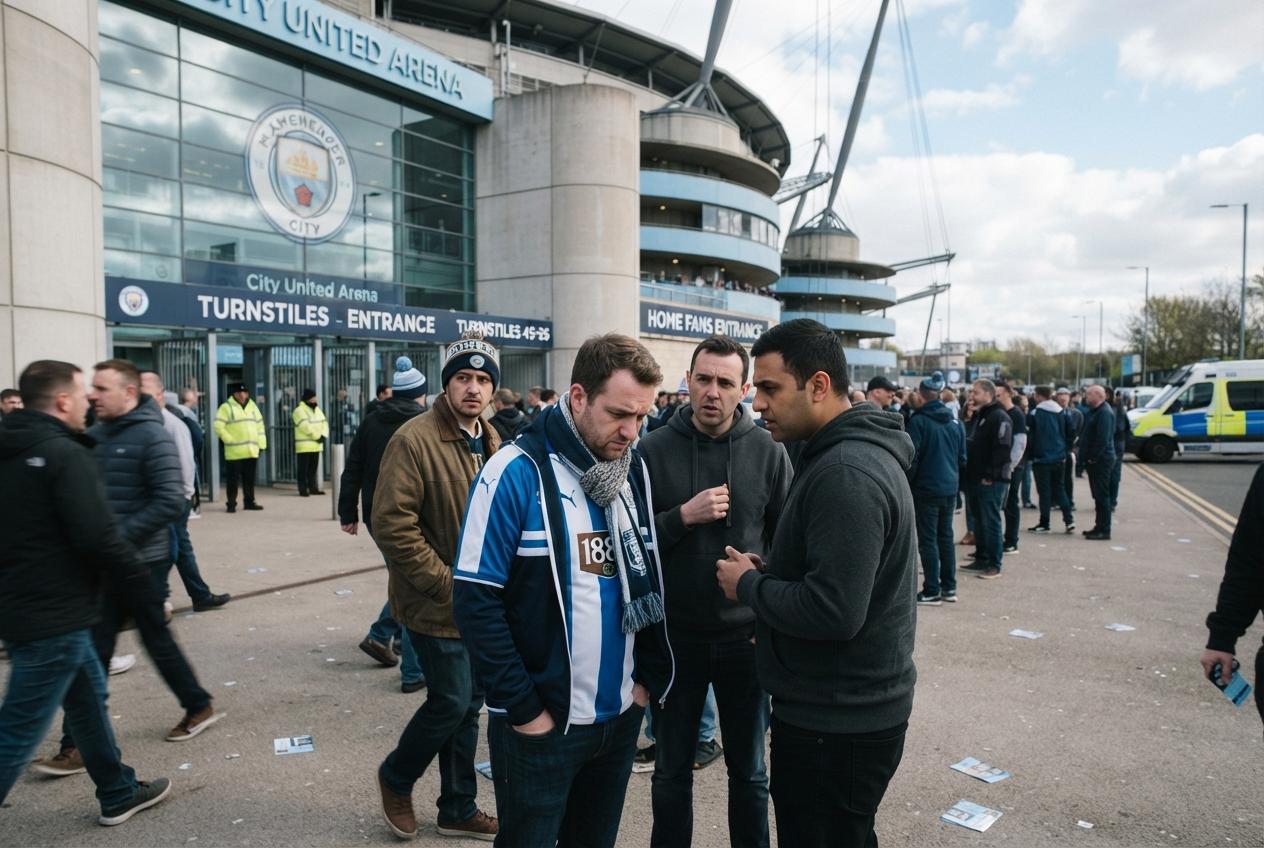
Shoppers are turning their attention to troubling new data: LGBTQ+ supporters reported homophobic incidents at nearly 15% of Premier League fixtures in 2025–26, prompting calls for tougher action from clubs, police and the league to make stadiums safer.
Essential Takeaways
- Frequency: Homophobic incidents were reported at 56 of 380 Premier League matches (14.7%) in 2025–26, up from 49 fixtures the season before.
- Hotspots: Chelsea and Brighton fixtures accounted for a large share of reported matches, with Chelsea linked to reports at 25 domestic games.
- Online surge: Recorded online football-related hate rose sharply , roughly a 73% increase year on year.
- Reporting caveat: Reports mark matches with at least one allegation; they’re not a count of proven offences and may include multiple incidents per game.
- Action needed: LGBTQ+ groups welcome improved reporting but stress that investigations, sanctions and education must follow.
Why the figures matter , it’s not just numbers, it’s people
The Home Office data shows that almost one in seven top-flight matches saw a report of homophobic abuse, and that hits harder when you picture supporters in the stands hearing slurs or feeling singled out. Pride in Football says these statistics underline that queer fans still face a weekly reality of abuse at fixtures. While more reports can mean people feel able to speak up, the emotional impact of repeated incidents is real and persistent for those affected. Practical tip: if you witness abuse, report it straight away to stewards or the club’s reporting channels so incidents are logged and can be investigated. (Sources: [2], [3])
Which clubs and fixtures show up most , and why hotspots aren’t always blame
Chelsea and Brighton featured heavily in the statistics: Chelsea-linked fixtures had reports at more than half of the club’s domestic games, and Brighton appeared in a notable share too. That doesn’t automatically mean those clubs’ own fans are always responsible; often visiting supporters or targeted chanting from opposition sections are the issue. Clubs, however, must still manage their grounds and act quickly when abuse is flagged. Tip for matchgoers: know where the nearest steward or police officer is and take note of any reporting QR codes or hotlines in your stadium. (Sources: [2], [6])
Not just in the stands , online abuse has spiked dramatically
The problem spilled online too, with recorded football-related online hate jumping from 234 to 405 cases in one season , an increase of about 73%. Most cases linked to men’s football, and the Home Office figures only count incidents that were reported and met a threshold for policing. That suggests the real scale could be higher, especially given the persistent under-reporting of abuse. If you get targeted online, save screenshots, block abusers and forward evidence to platforms and to your club’s reporting team. (Sources: [2], [3])
Reporting rates rose , progress or just more awareness?
There’s a dual reading of the rise in reports. On one hand, better awareness and reporting systems mean more incidents are logged, which is a positive sign. On the other, three seasons in a row with homophobia appearing at a significant slice of fixtures suggests the underlying behaviour remains entrenched. Pride in Football argues that reporting must lead to meaningful consequences , bans, prosecutions where appropriate, and consistent education. Clubs and the league need to turn data into action rather than just statements. (Sources: [2], [7])
What the Premier League and clubs say they’re doing , education, celebration, action
The Premier League launched Premier League With Pride as a successor to the Rainbow Laces work, focusing on education, celebration and action in partnership with clubs and supporter groups. The programme includes resources, dedicated match rounds, and strengthened reporting processes. Visible moments like player armbands were pared back in favour of club-driven activity and stadium displays, which some welcome for embedding change while others miss the high-profile player-led gestures. For fans, the practical takeaway is to engage with local supporters’ groups and use club reporting tools to push for accountability. (Sources: [3], [6])
Stadium incidents and club responses , examples and enforcement
Clubs such as Leeds have publicly promised lengthy stadium bans after incidents, and some matches have led to arrests and prosecutions in previous seasons. Clubs are investing in steward training and camera coverage to identify perpetrators, but supporters and campaigners warn this work must be consistent and transparent. If your club announces new measures, ask how they’ll be enforced and how supporters will be informed of outcomes , transparency builds trust. (Sources: [4], [6])
Closing line It’s a small change to report abuse and a big one to demand follow-through , and football needs both.
Source Reference Map
Story idea inspired by: [1]
Sources by paragraph: