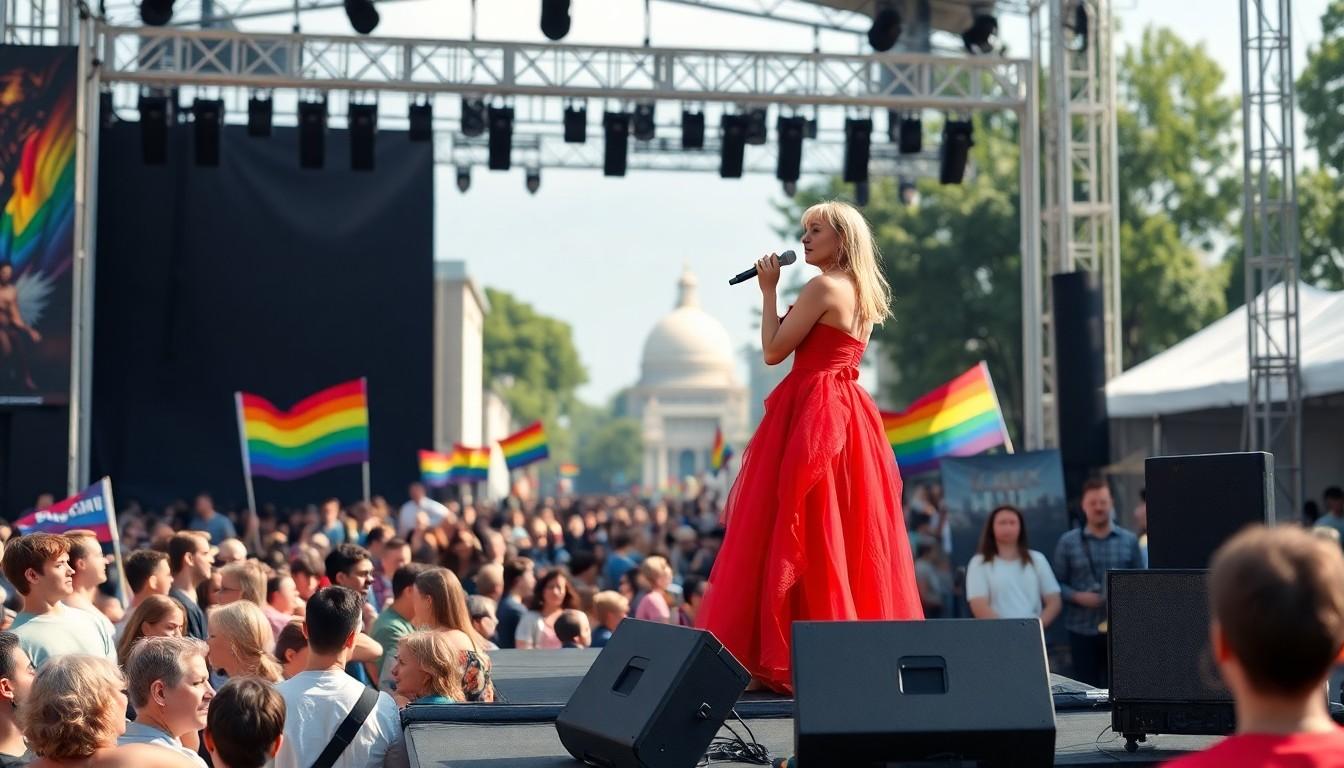
Shoppers and Pride-goers alike were buzzing as Diana Ross closed Brighton Pride’s flagship Pride on the Park with a show that mixed nostalgia, new music and plain-hearted connection , a reminder why big-name headliners still matter at landmark events like Brighton and Hove Pride.
Essential Takeaways
- Showmanship: Diana Ross delivered glamour and wit, changing from a bright red gown to a neon-green coat, keeping the crowd laughing and riveted.
- Emotional highs: Quiet, heartfelt moments , including an affirmation and a moving Reach Out and Touch , prompted tears and strangers linking hands.
- New material: Ross introduced Be You, an original written for the evening, and performed If the World Just Danced from her latest album.
- Party classics: Hits like Upside Down and an extended I Will Survive gave the 15-piece band room to shine and kept energy soaring.
- Community feel: The set balanced nostalgia with optimism, ending on gratitude and leaving the audience uplifted.
A headline set that felt like a warm hug
Brighton’s Pride on the Park has a reputation for big, colourful moments, and Diana Ross didn’t disappoint. She opened with the sort of presence only a star of her era can command , sleek, unmistakable and oddly intimate in daylight. The crowd weren’t just watching a performance, they were part of it; smiles, tears and chants filled the air.
According to event organisers, the booking underlines Pride’s ambition for its 35th year to mix legacy acts with contemporary names. The effect was effortless: familiar songs landed with fresh meaning, and new tracks sat comfortably alongside the classics.
Glamour, jokes and a quick workout for the crowd
Ross’s stage patter had the same warmth people have come to adore. After a costume change into a bright-red gown she quipped about staying active , “Move it or lose it,” she joked , and the audience loved it. That blend of glamour and self-deprecating humour made the show feel accessible rather than untouchable.
For festival bookers and fans alike, it’s a useful reminder: charisma counts as much as catalogue. Booking artists who can read a crowd and pivot between spectacle and sincerity keeps headline slots feeling relevant.
New songs in a nostalgic set: why it worked
Introducing If the World Just Danced from her new album and the specially written Be You was a neat bit of programming. It gave long-time fans a glimpse of Ross still evolving, while the anthemic Be You landed perfectly as a Pride moment , upbeat, affirming and easy to sing along to.
Industry watchers say mixing new material into a legacy set helps artists stay artistically current and gives audiences a reason to listen closely rather than just watch. For listeners, the takeaway is simple: be open to the new, but expect the hits to anchor the evening.
When the crowd linked hands: the power of quiet moments
Not every highlight was a show-stopping number. Ross paused, thanked the crowd and led an affirmation , “I’m so grateful for all the blessings in my life” , then moved into Reach Out and Touch (Somebody’s Hand). The scene was tender; strangers embraced and wiped away tears.
Pride is a party, yes, but it’s also a community ritual. Moments like this remind you why music and activism have been entwined at Pride for decades. For organisers planning future events, it’s a cue to programme space for both euphoria and reflection.
Encore, encore: finishing on gratitude and inclusivity
After a rousing I Will Survive and a chorus of “one more song”, Ross returned in relaxed black clothes topped with a neon-green coat to perform Be You, before closing with Thank You. It felt like a deliberate choice to end on gratitude , not grandstanding, but sincere appreciation for the people who showed up.
Looking ahead, headline acts who blend performance craft with heartfelt connection will remain a draw for big-city Prides. Fans want both spectacle and the feeling of being seen.
It's a small change that can make every Pride set feel personal and memorable.
Source Reference Map
Story idea inspired by: [1]
Sources by paragraph: