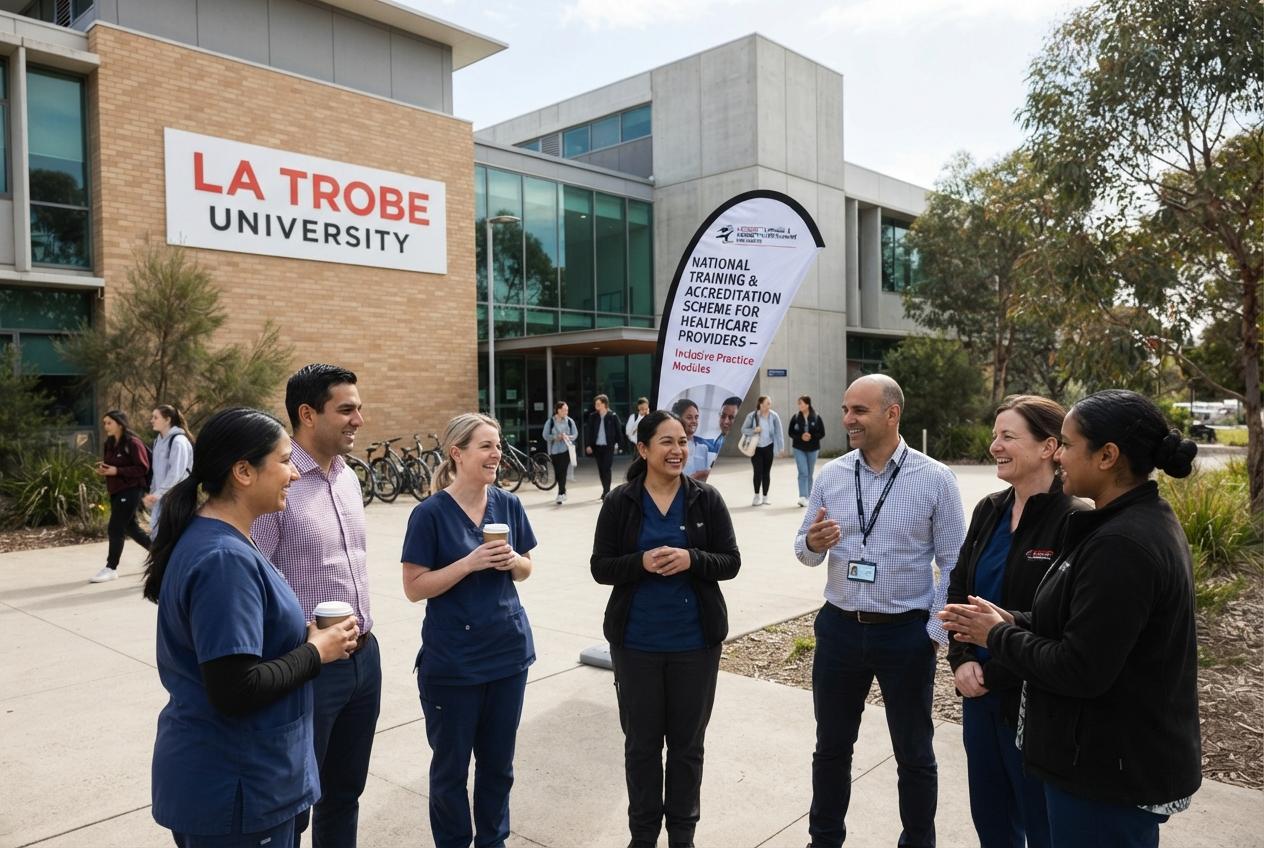
Shoppers aren’t the only ones noticing change , communities are celebrating a new $18.1 million Australian Government investment to make healthcare safer and more accessible for LGBTIQA+ people, funding national training, accreditation and 18 community projects that aim to close care gaps and reduce fear of discrimination.
Essential Takeaways
- Major investment: The Australian Government has committed more than $18.1 million to LGBTIQA+ health and wellbeing initiatives, including a $10 million training programme.
- National training scheme: La Trobe University will lead a voluntary training and accreditation programme in partnership with ACON, Thorne Harbour Health and Portable.
- Community-led projects: Eighteen projects across states and territories get funding, from TransHub to regional peer-support hubs and telehealth services.
- Focus on access: Projects target earlier intervention, culturally safe care, youth isolation, ageing with HIV, and rural or remote service gaps.
- Practical aim: The programme is designed to help people identify healthcare that’s safe, respectful and inclusive , and to upskill primary care providers.
Why this funding matters now , access that feels safer
The clearest thing about this announcement is how practical it is: money aimed at making real services better, not just promising studies. The $10 million La Trobe-led programme will produce a training and accreditation system so people can spot which clinics are genuinely inclusive, and providers can signal their commitment. That smell of institutional change , a discrete badge, clearer directories , can reduce the anxiety that makes many delay care.
Evidence shows LGBTIQA+ people often avoid healthcare because of past discrimination or fear. According to national health guidance, improving inclusive practice in primary care encourages earlier intervention and preventive health, which is exactly what the government’s funding is meant to foster.
The training scheme , what it will do and why it could help
La Trobe University will work with ACON, Thorne Harbour Health and tech partner Portable to build a national programme that trains and accredits primary care staff. Expect modules on respectful communication, clinical pathways for trans and intersex patients, and systems-level changes so appointments, forms and reception desks don’t trip people up.
Industry groups say voluntary accreditation can be faster to scale than regulation, and it gives clinics a visible way to build trust. For patients, look for clinics advertising LGBTIQA+ affirming training , it’s a practical filter when choosing a GP or nurse who understands your needs.
Community projects on the ground , a spread of local, practical services
The remaining $8.1 million funds 18 community initiatives covering everything from peer support and telehealth counselling to culturally safe programs for Aboriginal and Torres Strait Islander Rainbow people. Highlights include ACON’s TransHub, a regional pilot peer-connection hub in Queensland, and telehealth mental-health services tailored for people living with or affected by HIV.
These projects are delivered by community organisations that already hold trust in their local networks. That matters: people are more likely to use services when they’re run with community insight, not imposed from outside. If you live outside a capital city, many of these initiatives aim to reach you with remote support and peer education.
Who benefits , groups that often fall through the cracks
Funding deliberately targets multiple groups who face higher barriers: transgender and gender-diverse people, young people at risk, older LGBTQIA+ people living with HIV, and Aboriginal and Torres Strait Islander Rainbow communities. Initiatives include perinatal support for Rainbow parents and resources to help parents support transgender children , a protective factor linked to better mental health outcomes.
The National Action Plan for the Health and Wellbeing of LGBTIQA+ People 2025–2035 framed these priorities, so this injection of cash is an early, tangible step toward the plan’s broader goals.
What to watch next , accreditation, directories, and scaling support
The useful part of this package will be how quickly training, accreditation and searchable directories become mainstream. If clinics sign up and display accreditation, patients will have practical tools to find inclusive care. Meanwhile, community projects will need ongoing funding and evaluation; short-term grants can kickstart services, but sustained investment will determine whether outcomes improve long-term.
So expect updates from La Trobe and partner organisations about course rollout, criteria for accreditation, and digital tools to help people identify safe services. If you’re a clinician, consider signing up; if you’re a patient, watch for accredited providers and local peer programs.
It's a small change that can make every appointment feel safer.
Source Reference Map
Story idea inspired by: [1]
Sources by paragraph: