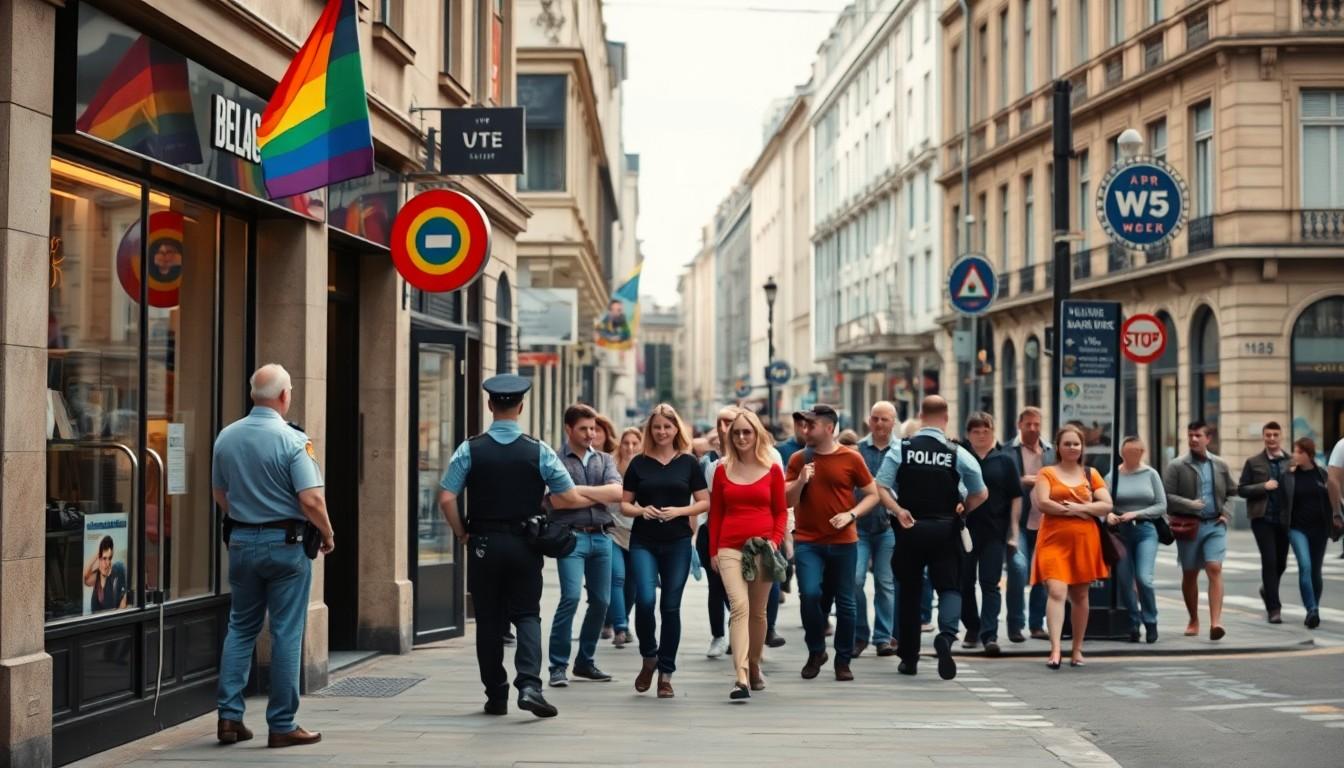
Shoppers are returning, locals are organising, and travellers are curious: Berlin’s queer life has been shaken but the city is still open, vibrant and determined to protect what matters. Here’s a practical, heartfelt guide to seeing Schöneberg, Kreuzberg and the wider LGBTQ+ scene safely , and respectfully , this summer and autumn.
Essential Takeaways
- Heightened security: Expect more police patrols and bag checks at major events, transport hubs and tourist sites; it feels visible but not oppressive.
- Community resilience: Memorials, flags and gatherings show strong local solidarity; cafés and bars continue to feel welcoming and lively.
- Where to go: Schöneberg for history and daytime cafés, Kreuzberg and Neukölln for indie culture and late-night creativity.
- Practical tips: Leave extra time for entry lines, use licensed taxis or public transport late at night, and check local news for event updates.
- Cultural depth: Museums, memorials and festivals run year-round, offering ways to support queer businesses beyond nightlife.
Why Berlin’s queer scene still feels alive
Berlin’s queer culture has texture , the soft hum of cafés, neon at night, and a stubborn sense of welcome that’s tactile and reassuring. According to reporting from major outlets, the city is responding to the July attack with visible security and public mourning, but businesses and venues are open and active. That balance between vigilance and normal life matters: it helps visitors feel safe without cancelling the spontaneous energy that makes Berlin, well, Berlin. If you’re worried about atmosphere, go by day. Motzstraße and Nollendorfplatz still have rainbow flags, bookshops and brunch spots where the conversation is lively and the coffee is good. Seeing people get on with their lives is its own reassurance.
Where history meets the present: Schöneberg’s enduring heart
Schöneberg is the place to start if you want a feel for Berlin’s queer past and present. The neighbourhood’s cafés, longtime bars and independent shops have been hubs for decades, and they now host memorials and community noticeboards alongside regular menus and events. Visitors often describe the area as comforting and familiar, with a lived-in, human scale. Practical tip: schedule morning or early afternoon visits to cafés like Café Berio and Romeo und Romeo to avoid late-night crowds and to chat with locals who’ll gladly point you to quieter spots.
For a younger, edgier scene: Kreuzberg and Neukölln
If you prefer experimental theatre, vegan cafés and art spaces, head south to Kreuzberg and Neukölln. These districts have drawn artists and queer creatives for years and remain the city’s laboratories of alternative culture. Expect less polish and more surprises , small galleries, pop-up shows, inclusive bars where anyone can feel at home. To make the most of it, look for community calendars and queer festivals popping up through August and September. They’re often low-cost and feel wonderfully grassroots.
Nightlife and safer nights out
Berlin’s nightlife is famously varied, from drag brunches and disco to fetish nights and techno temples. Venues have tightened entry procedures and some events now include extra security screening. That can mean longer queues, but it also means organisers are taking safety seriously. If you’re planning to club, book ahead where possible and arrive early to avoid last-minute stress. Late-night travel tip: use licensed taxis or familiar ride apps and stick to well-lit routes to stations. Public transport is reliable and often the easiest way to get home after a long night.
More than bars: museums, memorials and meaningful visits
Berlin’s queer story is preserved in places that reward quieter attention. The Schwules Museum and the Memorial to Homosexuals Persecuted Under Nazism offer context and reflection, while parks like the Tiergarten and Tempelhofer Feld still host everyday life , picnics, cycling and small gatherings that feel safe and communal. Visiting these sites supports cultural institutions and offers a way to engage with Berlin beyond consumer experiences. It’s how tourism can be both respectful and restorative.
Events to put in your diary this season
Even after Pride, Berlin’s LGBTQ+ calendar stays busy through August and September. Look out for community festivals, open-air queer film screenings and the large international gatherings such as Folsom Europe. Many events now publish security information in advance, so you can decide what works for you. If you travel, consider attending smaller community-run events as a way to show solidarity and to keep money flowing to local initiatives.
It’s a small change that can make every visit more thoughtful and safer.
Source Reference Map
Story idea inspired by: [1]
Sources by paragraph: