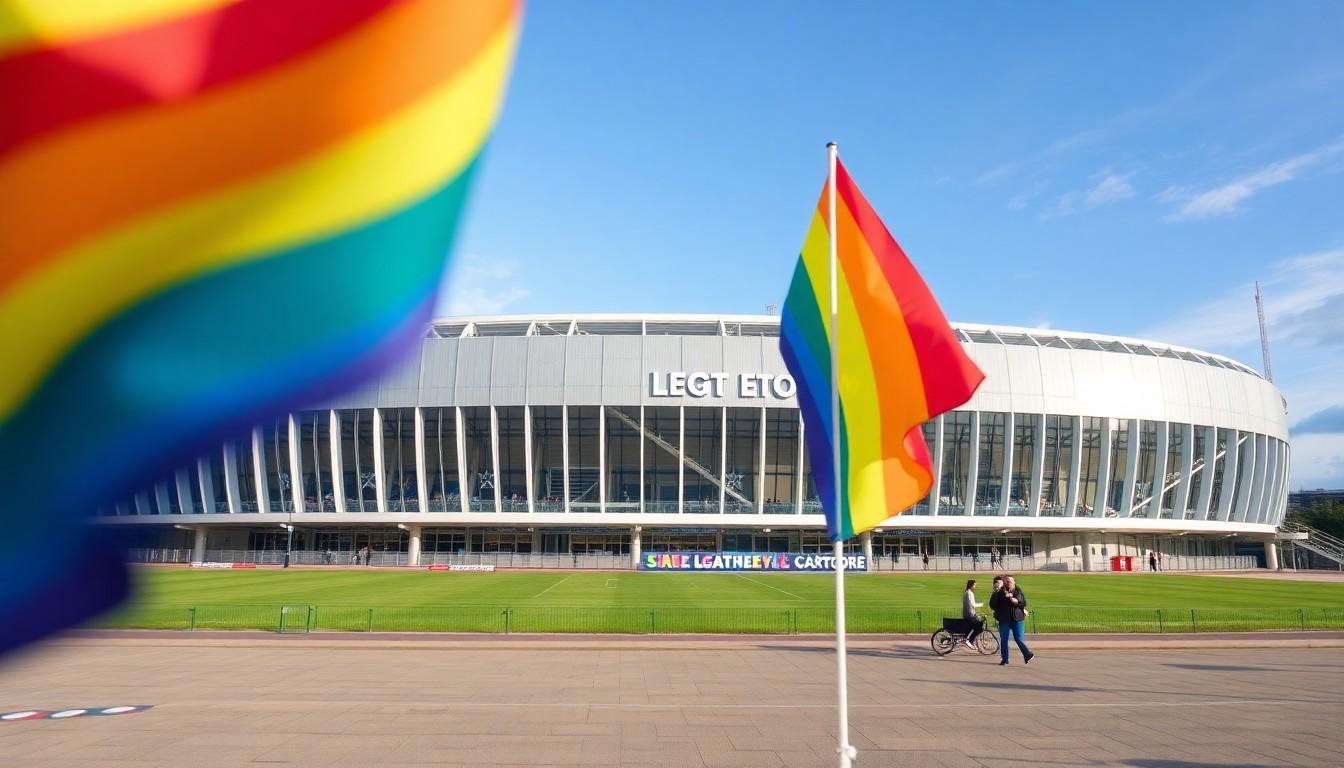
Shoppers are turning to solidarity: supporters, clubs and governing bodies are being urged to act after new figures show homophobic abuse in football hit record levels across professional and grassroots games, and it matters for anyone who loves the sport and the people in it.
Essential Takeaways
- Record reports: Kick It Out recorded 203 homophobic incidents in 2025/26, part of 1,744 discrimination reports across football.
- Grassroots spike: Homophobic abuse at grassroots rose sharply, up 140%, with most incidents in adult football.
- Youth impact: Reports involving under-18s climbed by about 90%, signalling worrying shifts among younger fans.
- Wider discrimination: Racism, sexism, transphobia and faith-based hate also increased, showing an ecosystem of abuse.
- Reporting routes: Fans are urged to use Kick It Out’s system and partner groups like Football v Homophobia to report incidents.
Why the new figures are a red flag for every fan
The headline number is stark: more than 200 reported homophobic incidents in a single season, the highest on record, and a picture that feels, frankly, ugly in person , chants and slurs that leave a sour taste. According to Kick It Out, discrimination reports overall rose by 25% year on year, and homophobia led that climb. The sharp increases at grassroots level and among under-18s make clear this isn’t just noisy rhetoric online; it’s happening on pitches and in stands.
The rise follows high-profile moments that tend to catalyse copycat abuse, and researchers suggest more people are also feeling able to report what they see. Yet reported numbers and actual prevalence aren’t the same thing , either way it’s a problem the game has to fix, from Saturday morning pub teams to the Premier League.
What groups are doing , and what’s still missing
Pride in Football, the Football Supporters’ Association and Kick It Out have been vocal, launching toolkits for LGBTQ+ fan groups and strengthening reporting partnerships with Football v Homophobia and others. Kick It Out’s reporting hub is getting more traffic, and that’s partly why totals look worse; people are using the system.
But activists say clubs and governing bodies must do more than publish statements. Fans want visible, consistent action: stewarding that actually intervenes, swift sanctions for perpetrators, and education programmes that reach grassroots coaches and young supporters. In short, toolkit launches are welcome, but they’re only a start.
How to spot and safely report homophobic behaviour
If you witness chants, targeted shouts or abusive messages online, first prioritise safety , don’t place yourself or others in harm’s way. Note time, location, teams involved and describe what was said or done. Take a short video or photo if it’s safe and legal to do so.
Then report it: use Kick It Out’s online reporting form or their match-day channels, contact club stewards and, where applicable, alert the police for criminal behaviour. According to Football v Homophobia and Kick It Out, combined reporting and follow-up increases clubs’ accountability and the chance of appropriate sanctions.
Why grassroots action matters more than ever
Grassroots football saw the steepest rise in reports, up 140%, and that matters because grassroots sets norms. If exclusionary behaviour becomes tolerated at local levels, it feeds the wider culture. Coaches, parents and volunteers can change that by adopting codes of conduct, running brief anti-discrimination sessions before matches, and responding quickly when something crosses the line.
Practical steps include setting clear expectations for respect at club registration, appointing an inclusion officer or safeguarding lead to handle reports, and linking with local fan groups or county FA initiatives. Small, consistent actions on the terraces and touchlines add up.
What fans and clubs can do this season , quick checklist
Be visible as an ally: wear rainbow laces or a badge, and make it clear your group won’t tolerate abuse. Call it out: if it’s safe, quiet intervention from nearby fans or stewards can stop chants spreading. Report every incident: even anonymous reports build data and pressure. Push clubs for transparency on investigations and sanctions , supporters’ trusts can lobby for stronger measures. And support LGBTQ+ fan groups: they offer practical resources and community for anyone affected.
There’s no single silver bullet, but coordinated, persistent action across clubs, supporters and governing bodies makes abuse harder to hide and easier to challenge.
It's a small change that can make every match feel safer and more welcoming.
Source Reference Map
Story idea inspired by: [1]
Sources by paragraph: