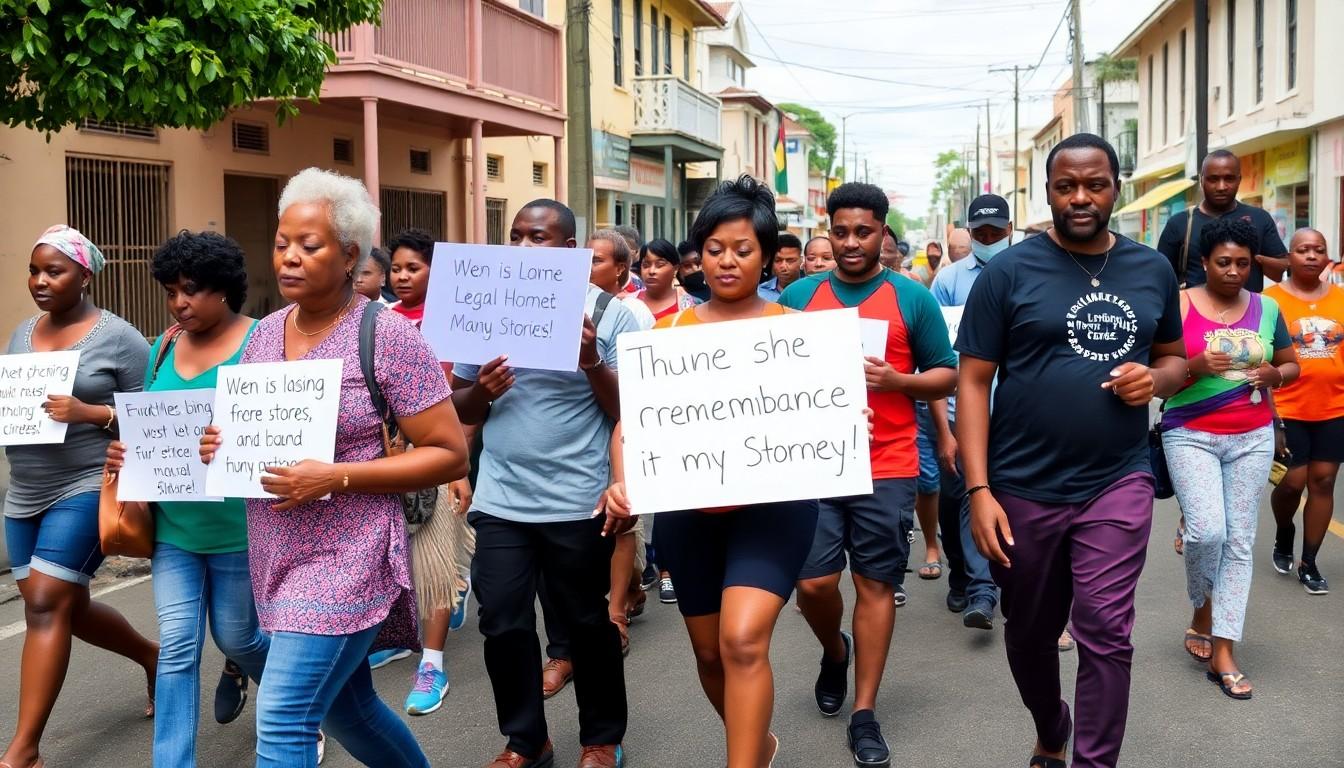
Shining brightly through St Clair and Woodbrook, the Pride Parade closed Pride Month with colour, music and a clear message: visibility matters. Organisers, activists and families gathered to celebrate identity, mourn losses and watch a landmark legal fight that could change life for LGBTQIA+ people in Trinidad and Tobago.
Essential Takeaways
- Community focus: PrideTT emphasised visibility and belonging, welcoming those who celebrate quietly as much as marchers.
- Legal spotlight: Jason Jones’ challenge to the colonial-era buggery law is before the Privy Council, a case with national stakes.
- Honouring people: The parade paid tribute to pioneers and volunteers, with a special moment for Koby Daniel Thomas.
- Emotional tone: Events mixed celebration with grief, speeches were hopeful but reminded attendees of ongoing risks.
A parade that felt both joyful and solemn
The march wound through familiar streets with a lively, colourful energy, yet there was a quiet weight to the day, too. Organisers led chants and music, but speakers also invited the crowd into a moment of reflection, creating a mix of celebration and remembrance that stayed with people long after the banners passed. According to local coverage, PrideTT’s director framed the event around visibility, insisting everyone, no matter how privately they mark Pride, belongs.
Why visibility still matters in Trinidad and Tobago
Visibility isn’t just a slogan here; it’s a practical defence against erasure. Organisers reminded attendees that being seen can shift social attitudes and make it harder for discrimination to hide in plain sight. The parade honoured early activists and those who’ve campaigned for change, underlining that public recognition helps sustain legal and cultural progress as much as it feeds community morale.
The legal battle everyone’s watching
The practical stakes of visibility were underscored by the ongoing court fight over the buggery law. The constitutional challenge brought by activist Jason Jones has already gone through the High Court and Court of Appeal and recently reached the Privy Council in London. Observers say the case has kept conversations alive for nearly a decade, and a decision could reshape everyday freedoms for LGBTQIA+ people across the country.
Personal stories and community pioneers
Speakers at the event paused to name those who paved the way, while younger activists spoke about what those contributions mean today. The parade also honoured volunteers and community builders, making space to remember lives lost. One volunteer, much-loved within PrideTT, was specially commemorated, and organisers asked the crowd to observe a moment of silence in his memory.
What this means for families and those still figuring things out
Organisers explicitly reached out to people who aren’t ready to be public, telling them they belong even if they never carry a flag. That kind of reassurance is practical: it recognises the real risks people can face at home, at work or in public, and it offers a less-visible route into community support. For those wondering whether to attend next year, community groups recommend going with a friend, joining a family-friendly meet-up beforehand, or simply watching from a comfortable distance.
It's a small but powerful reminder that Pride can be both a party and a lifeline.
Source Reference Map
Story idea inspired by: [1]
Sources by paragraph: