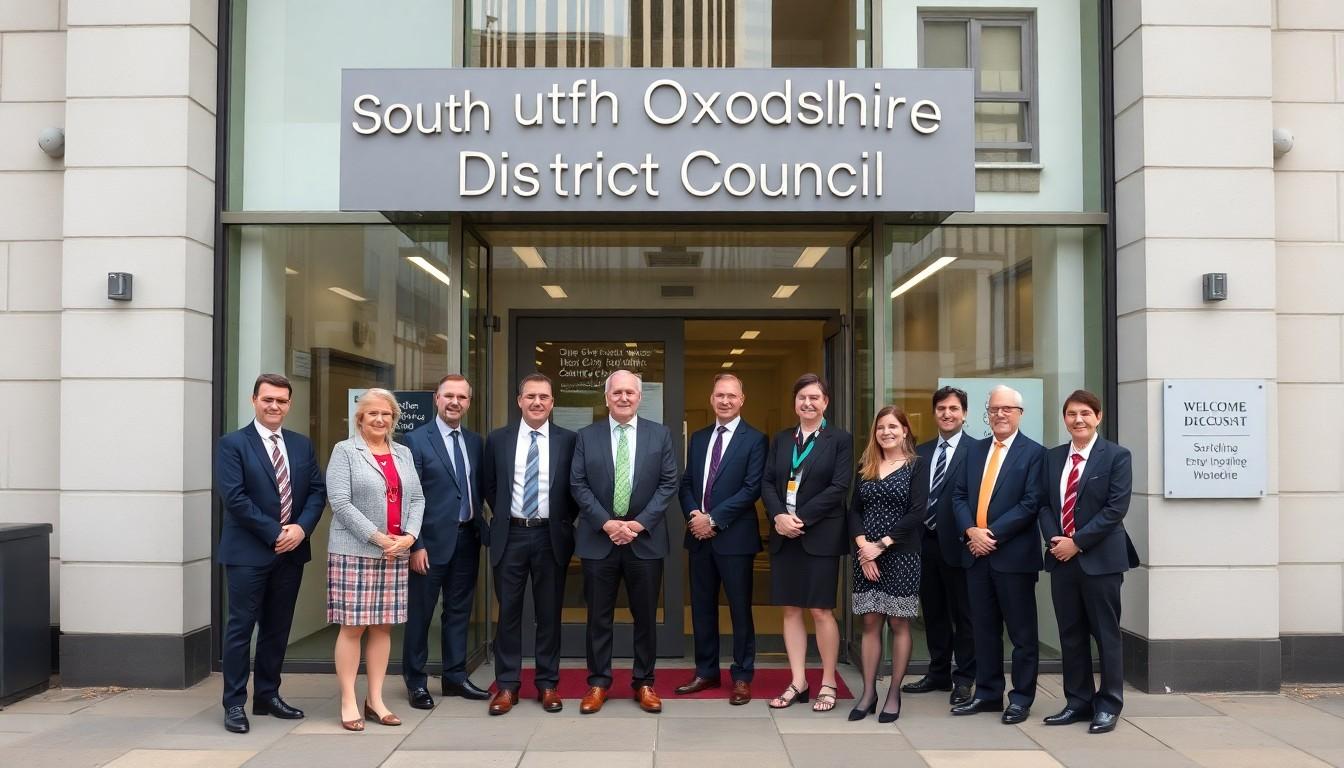
Shoppers, parents and residents are watching as two Oxfordshire councils reaffirm they’ll keep services welcoming for transgender and non-binary people, while they review buildings and training in response to the Equality and Human Rights Commission’s revised Code of Practice. This matters locally for access, dignity and future funding.
Essential Takeaways
- Councils committed: South Oxfordshire and Vale of White Horse have passed motions to remain inclusive and supportive of trans and non-binary residents and staff.
- Practical changes under way: A review of council-owned buildings is identifying where facilities like individually locking toilets or other options are needed.
- Staff training planned: Both councils are preparing training programmes so employees can meet the new guidance and equality principles.
- Funding request: Leaders will write to government seeking money to cover costs of making premises and services compliant.
- Comfort signals: Councils already highlight accessible features and say they aim to let people use services with dignity and privacy.
Why the councils felt the need to act , and why it feels urgent
The Equality and Human Rights Commission has published revised draft guidance on the Code of Practice for the Equality Act, which follows recent legal developments about how biological sex is considered in law. That’s prompted South Oxfordshire and Vale of White Horse to spell out a simple message: they want public spaces and services to stay safe and welcoming. The announcement has a slightly anxious edge , councils say they’re trying to prevent people being excluded from services they’ve always used. For local people, that’s as much about everyday dignity as it is about policy.
What they’re reviewing , toilets, venues and privacy
Both authorities already offer a range of options in their buildings, including individually locking toilets, and have now started a systematic review of all council-owned venues. The practical work is straightforward: walk the buildings, mark where changes are needed, and decide if signage, single-user facilities or remodelling is required. If you’ve visited a library or leisure centre recently you may have noticed unmarked, all-gender toilets or clear-access routes , those small choices make a big difference to whether someone feels comfortable using a space.
Staff training and the softer work that actually matters
Buildings are one thing, but staff behaviour is another. Councillor Lucy Edwards said the council is working on a staff training plan to ensure compliance with the Code of Practice and the broader principles of equality. That’s sensible: polite, consistent interaction at a reception desk or leisure centre can prevent awkward confrontations and make services genuinely welcoming. Training doesn’t need to be showy , clear policies, role-play and a few well-crafted FAQs for staff often change day-to-day experiences more than new locks or signs do.
The money question , councils want government help
Both councils are clear they don’t want the financial burden to fall on local taxpayers. Vale of White Horse’s Mike Giles said any costs to change facilities should be covered by the government, and leaders will write requesting funding. That reflects a wider conversation across local authorities: national guidance can create obligations, but councils need resource to act. Expect the ask to focus on reasonable adjustments and minor refurbishments rather than large-scale rebuilds, though some older buildings could be costlier to adapt.
How residents and community groups can get involved
Councils are continuing to engage with LGBTQ+ groups and raising awareness of the challenges facing transgender and non-binary people. If you care about this locally, there are practical ways to help: feed back on venue reviews, volunteer with awareness campaigns, or join consultation sessions when they’re announced. Small actions , suggesting clear signage, flagging a problematic toilet layout, or sharing positive experiences , help councils prioritise the right changes.
It's a detailed local response to national shifts, and a practical reminder that small changes , training, signage, a lockable cubicle , can make public life easier and more respectful for many people.
Source Reference Map
Story idea inspired by: [1]
Sources by paragraph: