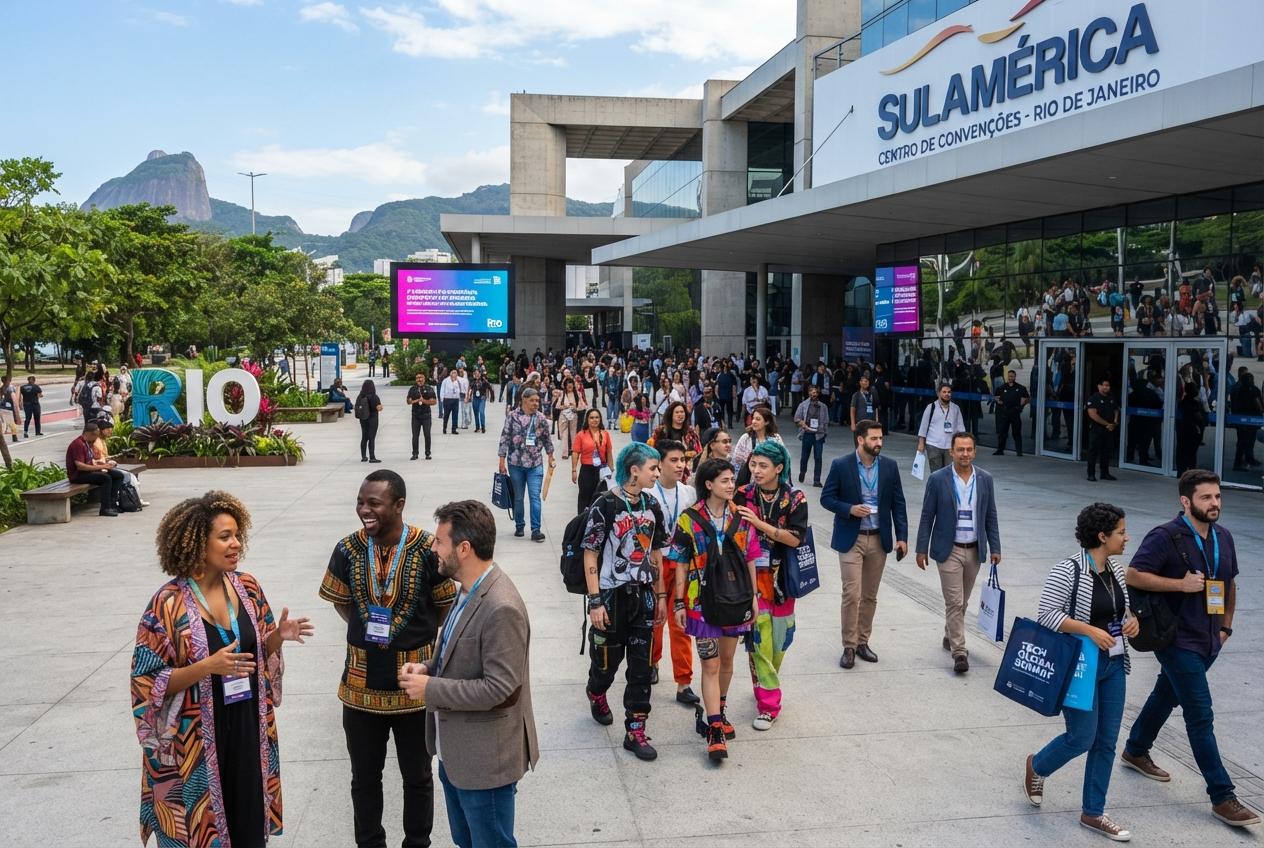
Shoppers and activists swapped boardrooms for sequins at AIDS 2026, where delegates from around the world used clothes, costumes and candid conversation to knit a fiercer kind of community; the result was a vibrant, public reminder that visibility still matters for HIV advocacy.
Essential Takeaways
- Vibrant visuals: Colourful, daring outfits dominated the Global Village, creating an immediate sense of welcome and celebration.
- Expression as advocacy: Clothes and drag were used to open conversations about stigma, care and rights.
- International mix: Organisations and grassroots groups from many countries showed diverse approaches, from polished campaigns to DIY stalls.
- Practical access: Several exhibitor booths combined bold aesthetics with service information, easy-to-spot pods offering testing, literature and referrals.
A runway of reunion: why outfits felt like activism
The conference felt less like a formal health meeting and more like a festival, with fabrics and accessories doing a lot of the talking. The sensory impact was immediate: glitter, graphic prints and theatrical makeup made the Global Village feel celebratory and unmissable. Organisers and delegates told me the look was deliberate, using visibility to disarm stigma and invite conversation. If you ever doubted the power of a striking outfit, seeing someone start a serious chat about prevention while fastening a feathered cape makes the point.
How fashion helped bridge policy and personal stories
There was a clear through-line from showy expression to serious work. NGOs, clinics and activist groups used bold displays to attract crowds, then handed out resources and referrals. According to conference organisers, this blending of the aesthetic and the practical made booths easier to approach, especially for people nervous about being seen at an HIV-focused event. So a sequinned stall didn’t just sparkle, it became a stepping stone for testing, counselling and connection.
Drag, identity and the simple act of being seen
Drag artists and performers were more than entertainment. Many used their platforms to share lived experience and normalise conversations about HIV status and queer health. One performer noted that the stage was a rare place where performers felt both safe and taken seriously as advocates. Such visibility matters: it reframes identity from a clinical label to a person with humour, beauty and agency, and it pushes back against the quiet shame that still surrounds HIV in many places.
Global Village: a small world with many voices
International participation gave the Village texture. Groups from low- and middle-income countries showed resourceful, sometimes minimalist displays next to well-funded campaigns, and that contrast was instructive rather than divisive. Attendees could move from a flashy, high-production stall to a grassroots tent offering peer support, and both felt equally important. This mix reflected how care and advocacy actually happen, across budgets, cultures and wardrobes.
Pick the moments that matter: how to experience a conference like this
If you go to a future conference, bring curiosity and a sensible bag. Wear something that makes you comfortable and approachable, bright colours or a bold pin work wonders. Look for booths that pair visual flair with practical services; those are usually the best bet for connecting social energy to real support. And don’t underestimate small talk: a compliment about someone’s outfit can open a life-changing conversation about testing or treatment.
It's a small change that can make every conversation warmer and every outreach moment safer.
Source Reference Map
Story idea inspired by: [1]
Sources by paragraph: