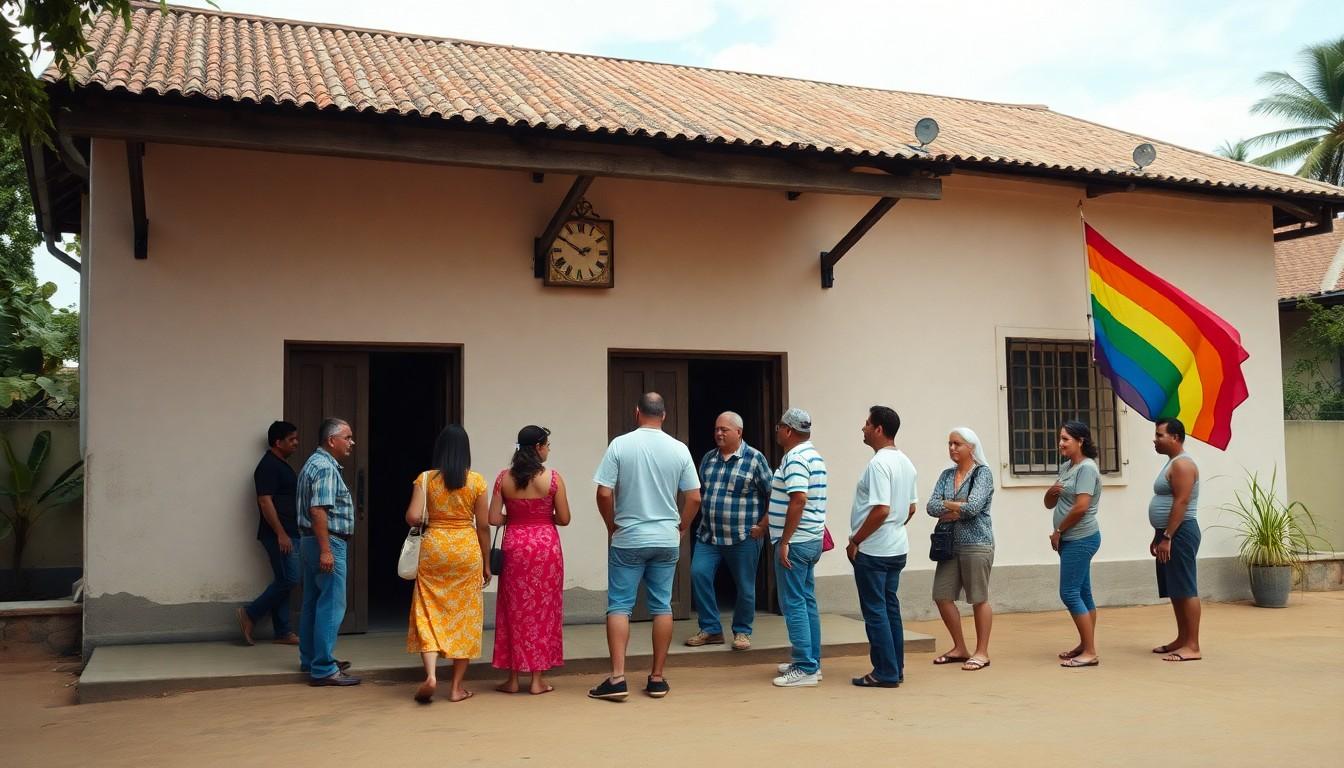
Shoppers of spiritual belonging are noticing change: a 2025 survey of 309 LGBTQIAPN+ Santo Daime practitioners in Brazil maps who shows up, what they experience, and why it matters for inclusion, ritual life and the globalisation of ayahuasca-based religion.
Essential Takeaways
- Who answered: 309 participants, mostly aged 25–44, recruited primarily via Instagram and WhatsApp , a young, digitally connected profile.
- Diverse identities: Respondents included cis women (46.6%), cis men (42.1%), non-binary (5.5%) and small numbers of trans men and women; sexual orientations were split across gay, bisexual, lesbian and pansexual.
- Participation vs power: Around 71% had performed at least one ritual function, but only 34% had held institutional leadership roles , ritual visibility isn’t the same as institutional inclusion.
- Mixed experiences: Nearly three quarters said they frequently or always felt respected, yet 28.8% reported being direct targets of homophobia, with race and age shaping vulnerability.
- Demand for change: 88.4% supported creating institutional bodies for LGBTQIAPN+ representation, signalling a clear internal push for organised inclusion.
A younger, more visible queer presence , and a textured picture
The strongest immediate fact is the survey’s age profile: most respondents are under 44, with nearly half aged 25–34, and many joining Santo Daime within the last decade. That younger, digitally networked cohort brings a visibly broader range of gender identities and sexual orientations, and they speak with a different tone about ritual norms. The report suggests recent entrants are more likely to present as non-binary or transgender, and to question binary separations in ritual roles and dress. If you’ve noticed more varied faces in the ritual hall, this data helps explain why.
Ritual inclusion, institutional exclusion , why that gap matters
It’s striking to see a clear dissociation between ritual participation and institutional power. Around seven in ten respondents have taken on ritual functions such as fiscalização, yet only a third have held administrative positions like secretary or treasurer. That matters because ritual visibility without decision-making authority leaves communities exposed to unaddressed discrimination and limits who shapes policy. Practical takeaway: churches wanting genuine inclusion should create transparent pathways from ritual roles to leadership posts and mentor queer and racially diverse practitioners into governance.
Respect and repression, living side by side
The survey paints an ambivalent landscape , many practitioners report feeling respected, but nearly 29% had experienced direct homophobia, including slurs, social exclusion, control of gender expression and even attempts to “cure” sexual orientation using ritual means. These practices echo broader social and religious pressures and are especially directed at dissident masculinities; gay men and some transgender men were among those most often targeted. That contradiction , warmth at the ritual level and regulation at the institutional or interpersonal level , fits sociological accounts of religions that include while policing difference.
Race, generation and who pays the cost
Race and generation shape vulnerability. Although the sample is majority White, Pardo and Black respondents were overrepresented among those reporting disrespect and discrimination. Longstanding members with 23+ years tended to be White men from the Southeast and reported more negative remarks, whereas gender-diverse people cluster among more recent initiates. That pattern suggests both a whitening with older cohorts and a shifting demographic among newer members. For churches serious about equity, addressing racial as well as sexual inclusion is essential.
Digital organising and institutional demands
The internet matters. Recruitment via social media and WhatsApp likely shaped the sample, but it also signals how queer daimistas are organising: digital networks play a big role in visibility, mutual support and activism. The clearest indicator of momentum is that 88.4% of respondents backed the creation of committees or working groups for LGBTQIAPN+ representation. That’s a practical lever: churches can pilot safe-space groups, create complaint and care mechanisms, and institute training on gender and racial sensitivity.
Closing line Small changes in ritual practice and clear institutional measures can turn visible presence into real belonging.
Source Reference Map
Story idea inspired by: [1]
Sources by paragraph: