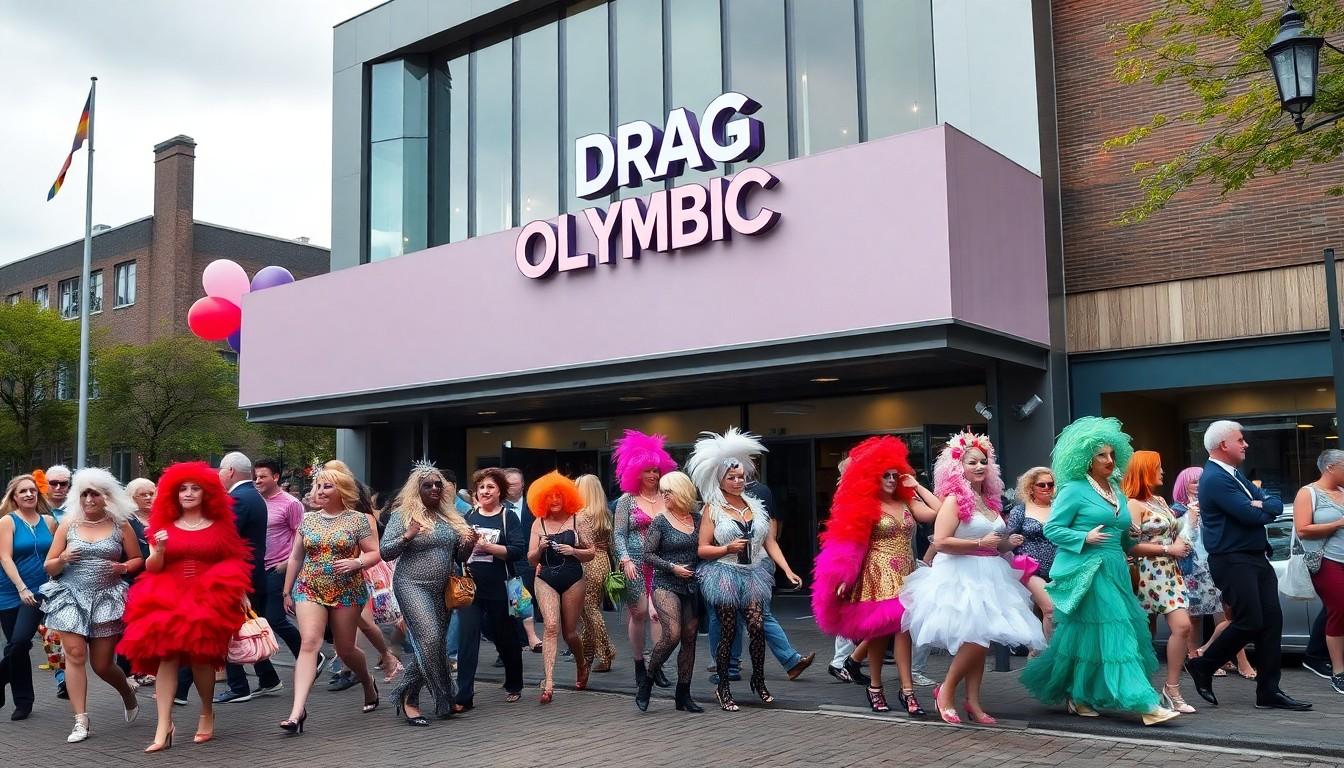
Shoppers and partygoers are turning out in force as Amsterdam’s colourful Drag Olympics draw performers and spectators from around the world, a joyful, political and oddly athletic highlight of this year’s WorldPride celebrations. Here’s what to expect, why it matters, and how the event blends sport, spectacle and solidarity.
Essential Takeaways
- Largest event: The Drag Olympics is the world’s biggest competition for drag queens and kings, run by the House of Hopelezz, and it’s grown louder and prouder each year.
- Five playful sports: Competitors face off in high-heel races, handbag toss, tug-of-war, "bitch" volleyball and hula hoop , all with a fierce, theatrical flair.
- Inclusive entry: Anyone with a wig and heels can join; both pros and novices compete, creating a warm, eclectic vibe.
- Safety and show prep: Organisers provide makeup artists and practical tips , choose walkable heels and expect touch-ups.
- Political undertone: Performances mix humour with pointed messages about visibility, anti-Islamophobia and solidarity after recent attacks and global conflicts.
A sprint in heels: the opening feels electric
The high-heel race is the moment the crowd remembers, the sound of pumps and laughter mixing with cheers as contestants launch from the starting line. According to the event’s organisers, the House of Hopelezz, the spectacle blends athleticism with camp , and it shows. You can almost feel the rhinestones and adrenaline. If you go, pick a spot near the track: you’ll catch the tempo of the crowd and the tiny, triumphant details , a heel that wobbles, a rival who nabs the lead. Practical tip: photographers and friends love low angles, so bring a small step stool if you plan to film.
How a “silly” contest became a serious stage
What began as a fun, local meet-up has turned into a major Pride fixture, drawing entrants from the Netherlands, Ireland, Morocco, Russia, France, Mexico and Iran. Jennifer Hopelezz, founder of the House of Hopelezz, describes it as a growing, more public celebration , equal parts party and protest. Organisers now manage logistics like on-site makeup support and safety briefings. That growth reflects a broader trend: Pride events worldwide are getting bigger, more diverse and often more explicitly political. The Drag Olympics offers a way to celebrate flamboyance while staying grounded in community care.
Performance with purpose: activism between the rounds
Between races and tosses, artists use the stage to address pressing issues , from Islamophobia to conflicts in the Middle East , and the crowd listens, often rapt. Performers combine satire, costume and blunt messages; a Lebanese-Palestinian drag queen and a Dutch drag king both used their slots to call for empathy and visibility. It’s theatre that refuses to be neutral. If you’re attending, expect to be moved as well as amused. That mix is part of why the event matters: it entertains while reminding everyone why visibility and protest persist.
Who takes part , and why it matters to newcomers
The roster mixes seasoned performers and first-timers who saw an online call-out and thought, why not? One contestant said she’d first tried drag during COVID lockdowns with friends and now wanted to display that part of herself publicly. The ethos is straightforward: anyone with the confidence to wear a wig and heels can sign up, and organisers emphasise accessibility and safety. They’ll advise you on heel height and costume repairs. For newcomers thinking of competing next year, start with shoes you can walk in and practice a short, sharp routine. It’s as much about charisma as it is about costume.
Amsterdam, Pride and the wider scene
The Drag Olympics sits within a jam-packed Pride calendar: canal parades, political speeches and week-long festivals that turn the city into a living, breathing rainbow. With WorldPride in town, the event’s timing heightens its profile, and politicians , including openly gay leaders , have been present at surrounding festivities. That visibility matters to performers and spectators alike. Looking ahead, expect the competition to keep growing, leaning into both its theatrical roots and its role as a public forum for queer voices.
It's a small change of costume or courage that can make every performance count.
Source Reference Map
Story idea inspired by: [1]
Sources by paragraph: