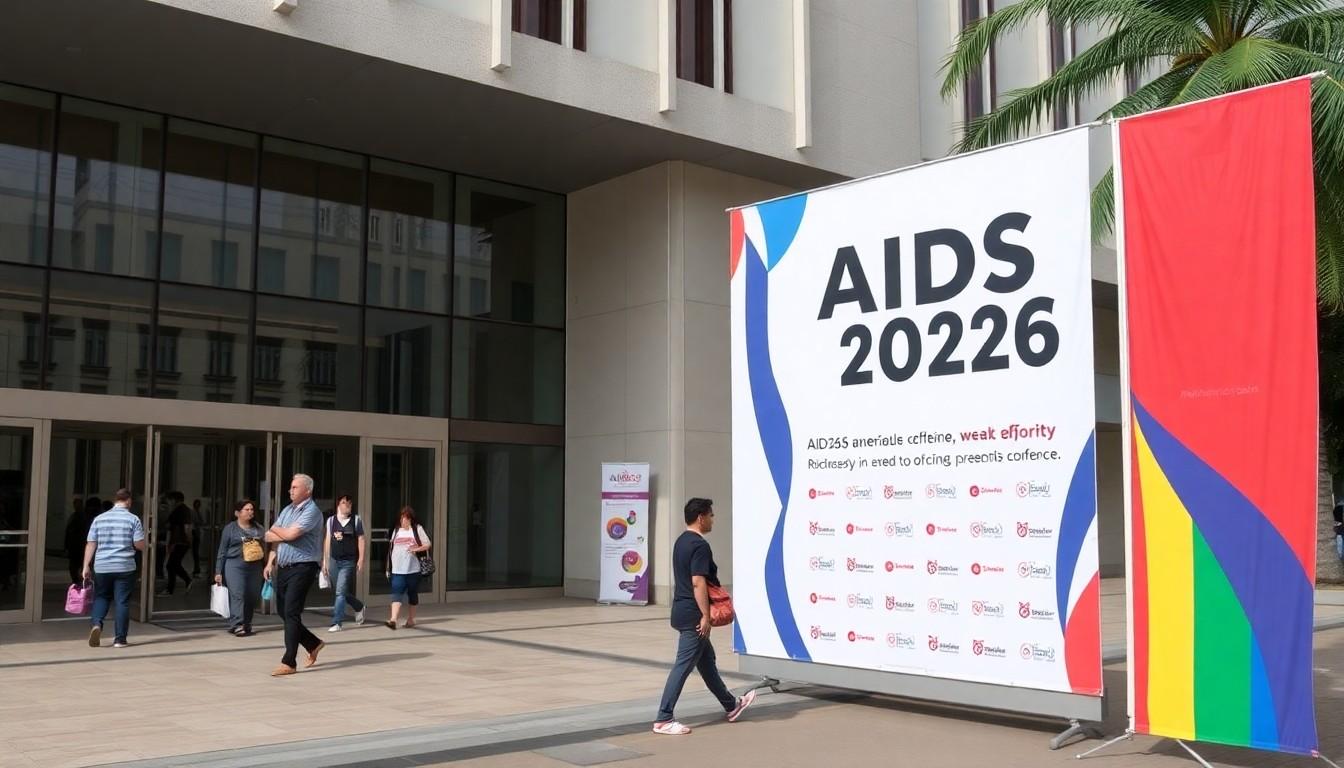
Shoppers of news and advocates alike swarmed Rio for AIDS2026, where nearly 10,000 delegates , researchers, policy experts, community organisations and people living with HIV , gathered to swap science, protest funding cuts and celebrate survival. Here’s a lively, on-the-ground guide to the most human reporting, practical takeaways and where to look next for deep dives.
Essential Takeaways
- Scale of the meeting: Nearly 10,000 attendees in Rio underlined AIDS2026’s role as the world’s largest HIV convening, with strong WHO and IAS involvement and many community-led events.
- Human-first coverage: Photographs and short video interviews captured vivid personal expression and survival stories that statistics alone can’t convey.
- Funding crisis on show: Delegates from dozens of affected countries detailed the immediate, painful impact of recent US global health budget cuts on PEPFAR and USAID programmes.
- Practical resources: For science and policy follow-ups, outlets like POZ, AIDSMap and TheBodyPro offered expert breakdowns; Positively Aware’s PA Chat provided quick, candid interviews.
- Vibrant Global Village: The public-facing Global Village blended culture, advocacy and services, and was intentionally free to the public to broaden access and community reach.
A conference that felt alive , people first, headlines second
AIDS2026 was as much a sensory event as a scientific one; colourful stalls, impromptu performances and runway-ready looks made the Global Village feel like a civic carnival. According to conference materials from the International AIDS Society, organisers purposely expanded community programming so people living with HIV are central to the agenda. That mattered because many delegates told reporters they’d never been able to express themselves so freely at home, and those images helped humanise complex policy debates back in meeting rooms.
The human cost of funding cuts , up close and personal
One of the loudest threads from Rio was the fallout from abrupt US cuts to PEPFAR and USAID grants. Journalists at the conference found program closures, interrupted medication supplies and communities left scrambling. Interviews with health leaders from affected nations and former PEPFAR staff laid bare the grief and practical consequences. If you’re following global HIV funding, expect continued coverage that mixes data with these painful personal accounts, because numbers don’t capture the fear of someone turned away from a clinic.
Where to read the smartest science and policy analysis
For readers who want the technical takeaways rather than the human-interest beats, outlets such as POZ, AIDSMap and TheBodyPro provided rapid, specialist analysis of study results, prevention advances and policy shifts presented at the conference. The World Health Organization and IAS also ran plenaries and briefings summarising major scientific and policy outcomes, so bookmark their conference pages for official statements and guidance as recommendations evolve.
Short videos that cut straight to the point
If you’ve only got three minutes between meetings, the short PA Chat clips are gold: candid interviews with activists, community leaders and scientists that capture mood and motive without lengthy context. These are great for getting a flavour of who’s leading certain movements and why. Video adds the human tone that written reports can’t always convey, so use clips alongside longer reads for a fuller picture.
The Global Village as strategy , outreach, art and access
Making the Global Village free to the public turned the space into an outreach engine, not just a trade show. Non-governmental groups used fashion, theatre and pop-up clinics to reach people who might otherwise miss services. This was deliberate: advocates have long pushed for community access, and the result was a place where activism and celebration combined to destigmatise care in a tangible, memorable way.
Until next time, keep following both the science and the stories , they’re the two halves that move policy and change lives.
Source Reference Map
Story idea inspired by: [1]
Sources by paragraph: