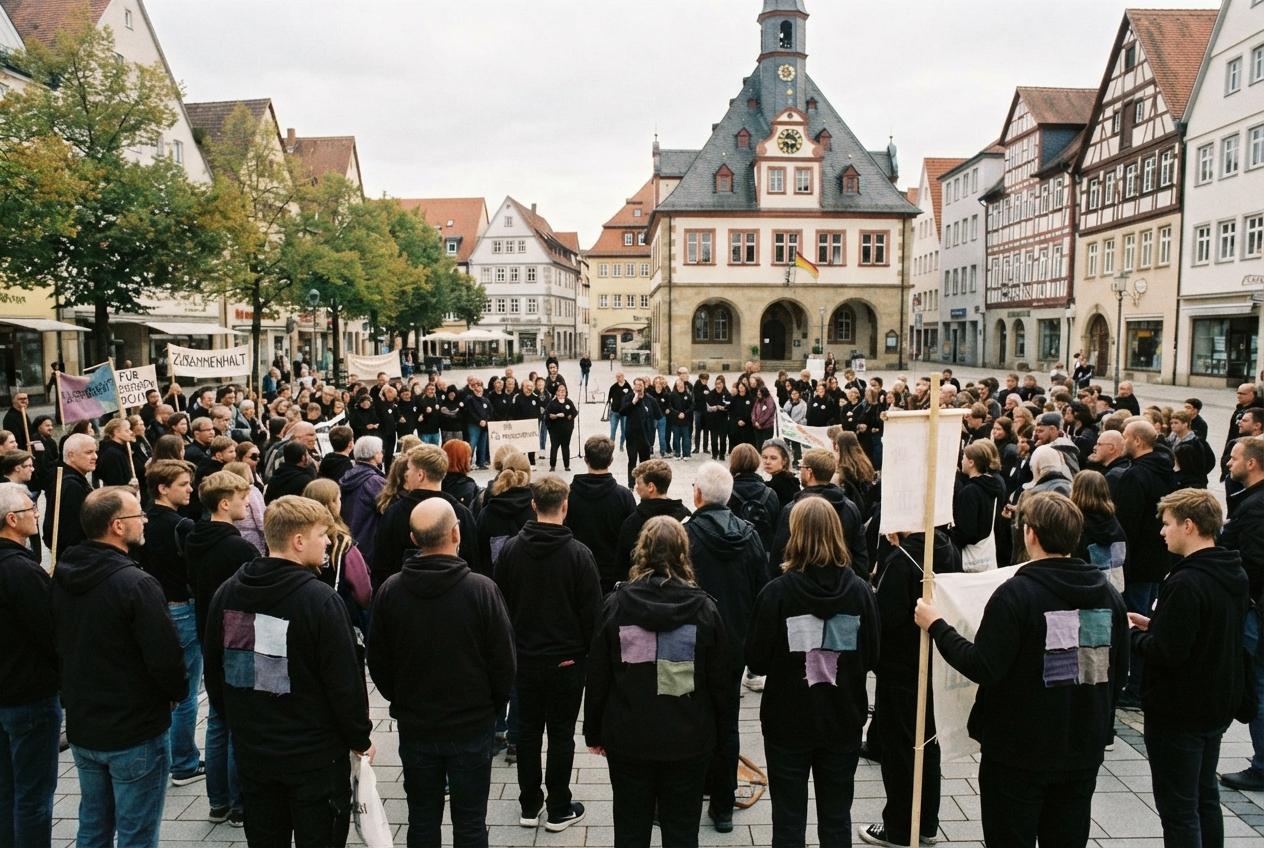
Shoppers and residents in Schlüchtern turned out for a quietly powerful Christopher Street Day, where around 250 people dressed predominantly in black to show strength, solidarity and mourning after the Berlin attack; it mattered because rural visibility often needs a different, bolder language than city parades.
Essential Takeaways
- Attendance: Around 250 people joined Schlüchtern’s CSD, creating an intimate, community feel.
- Colour choice: Wearing black was a deliberate symbol of resistance and mourning, not just sadness.
- Atmosphere: Police described the event as peaceful and calm, with a clear message of defiance.
- Local focus: Organisers aimed to tailor Pride to a less urban area, seeking outreach and education.
- Context: The gathering followed the violent Berlin attack, adding urgency and solidarity to the day.
A quieter pride, loud in meaning
The clearest image from Schlüchtern was of people in black, which felt more like armour than fashion , a sombre, sturdy crowd refusing to be cowed. Organisers say the colour choice was planned months ago to differentiate their CSD and to speak the language of their local community. According to local reporting, the dark clothes were chosen as a symbol of resistance as much as mourning, a way of saying “we are here” without the usual carnival brightness.
Why rural Pride looks different
Small towns don’t always mirror the big-city rainbow spectacle, and organisers argued that’s deliberate. They wanted to meet neighbours where they are, create a respectful, recognisable statement and open conversations that might not happen otherwise. Observers noted the event had been peaceful and well-policed, and attendees told reporters they felt it was important to show visibility in a less urban setting where awareness can lag behind.
The Berlin attack's shadow and the call for resilience
The CSD in Schlüchtern took place in the immediate aftermath of a violent attack in Berlin that left people grieving and shocked. That national context sharpened the message: Pride isn’t just celebration, it’s also protection and protest. Participants said they felt an obligation to be visible and strong , not to give hate the victory of silencing them. Authorities described the local gathering as calm, a sign that communities can respond to trauma with solidarity.
Practical lessons from a small-town CSD
If organisers in other small towns are taking notes, several simple tactics stand out. Choosing a unifying visual theme , in this case black , can make a modest march feel cohesive and powerful. Clear communication with police and community leaders keeps events peaceful. And balancing tribute with outreach helps make the day both commemorative and future-facing. For anyone planning a local Pride, consider what will resonate locally rather than copying urban templates.
What this means for Pride nationwide
Events like Schlüchtern’s show Pride is adaptable: it can be loud and glittering, or dark and defiant, and both are valid responses to the same movement. The wider trend is a diversified landscape of Pride moments , from megacities’ colourful marches to smaller, targeted actions that prioritise education and safety. Ultimately, the posture of resilience in the face of violence sends a clear signal: visibility matters everywhere.
It's a small change in tone that can make every demonstration feel safer and more meaningful.
Source Reference Map
Story idea inspired by: [1]
Sources by paragraph: