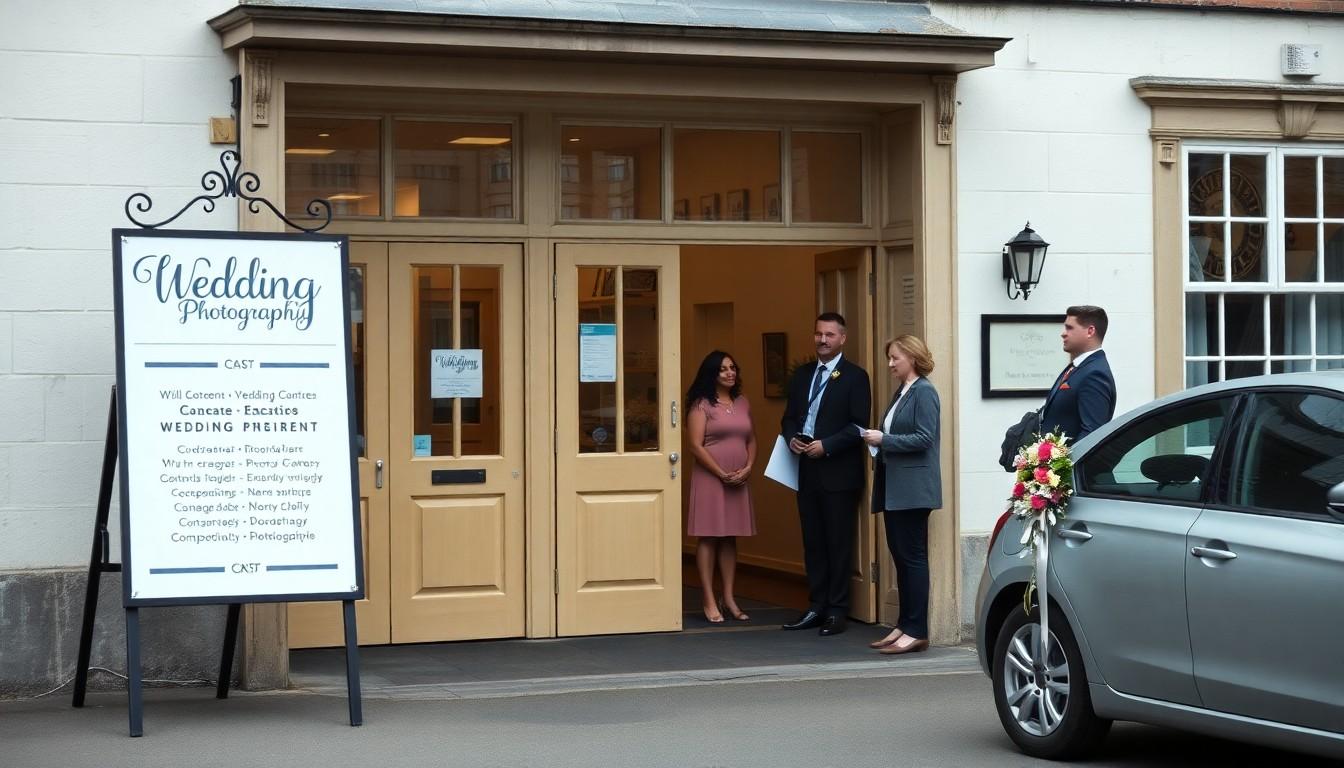
Shoppers and couples are watching: a UK wedding photographer’s viral reply to a same-sex enquiry has sparked a vital conversation about when personal belief, business choice and the law collide , here’s what photographers need to know and how to stay welcoming, lawful and professional.
Essential Takeaways
- Law is clear: The Equality Act 2010 makes it unlawful to refuse goods or services because of sexual orientation; wedding photography counts as a commercial service.
- Tone matters: A saccharine or ambiguous reply can look calculated and damage reputation even if it skirts direct refusal.
- Practical options: Offer alternative wording, a clear non-discrimination policy, or a polite referral process that doesn’t discriminate.
- Record-keeping helps: Keep consistent booking terms and communications to show you apply rules equally to all clients.
- Brand integrity: Being inclusive protects your business, broadens your market, and avoids legal and PR risk.
Why one reply went viral , and why tone blew up the story
A UK wedding photographer posted a reply saying she only photographs “traditional male-female couples,” and that small, seemingly courteous aside set social media alight. The message sounded warm, but it functioned as a door closer, and many readers sensed the calculation behind that sugar-coated refusal. Online reactions show how quickly a single line can define your business in public perception.
Public attention like this isn’t just noise. It shapes how future clients judge your brand, and in the age of screenshots a private policy can become a very public example of exclusion. Photographers tell me the lesson is to consider not only what you say, but how it will read on someone else’s phone three weeks later.
The legal baseline: the Equality Act 2010 and commercial services
According to government guidance on the Equality Act, businesses that provide goods or services can’t refuse them on grounds of sexual orientation. Wedding photography is a commercial service; refusing same-sex couples would be direct discrimination under UK law. That’s a simple, useful anchor: your personal beliefs don’t create a legal exception when you’re selling a service to the public.
It’s worth checking the latest draft code of practice and guidance from gov.uk if you’re unsure how the rules apply to marketing, contracts and day-to-day communications. In short: you can have artistic or stylistic preferences, but you can’t make those preferences a cover to exclude a protected group.
How to write booking communications that are clear, fair and human
If you want a transparent booking process, choose wording that’s neutral and consistent rather than selectively exclusionary. For instance, set clear limits tied to capacity, availability, or services offered , not to the gender or orientation of your clients. Keep replies straightforward: ask about dates, venues and photography needs, and reserve any policy details for a published terms page.
Here’s a practical tip: draft a short non-discrimination clause for your website and enquiries that states you welcome all couples. That both reassures clients and protects you from accusations of selective treatment. If you genuinely cannot take a brief for reasons of conscience, seek legal advice on how to proceed without breaching the Act, or consider stepping away from commercial work that requires public access.
What to do if you don’t want to shoot certain ceremonies , referrals and boundaries
Some photographers feel conflicted between personal beliefs and commercial obligations. One defensible approach is to set very narrow, neutral business boundaries , for example, “I don’t shoot after-hours receptions” or “I specialise in elopements under 30 guests” , and apply them equally to everyone. If you need to decline a booking, avoid linking the reason to the couple’s identity, and offer a referral list of colleagues whose style or availability fits better.
Referrals can be a professional lifeline: they keep the client served, maintain goodwill in the industry, and avoid the legal and reputational costs of an exclusionary refusal. Industry bodies and local networks often maintain lists of recommended suppliers you can share.
Reputation, bookings and the business case for inclusion
Being openly inclusive isn’t just about avoiding litigation; it’s good business. Inclusive photographers reach bigger markets, get more word-of-mouth referrals, and avoid the kind of viral backfire that can cost bookings and partnerships. Photographers who lean into inclusivity also report creative gains , diverse love stories challenge you to tell richer narratives, and your portfolio benefits.
Think of inclusivity as brand insurance: it protects your reputation, widens your client base, and reduces the chance of an expensive public dispute. Many businesses now publish values and accessibility statements for precisely these reasons.
It's a small change that can make every booking simpler, safer and more rewarding.
Source Reference Map
Story idea inspired by: [1]
Sources by paragraph: