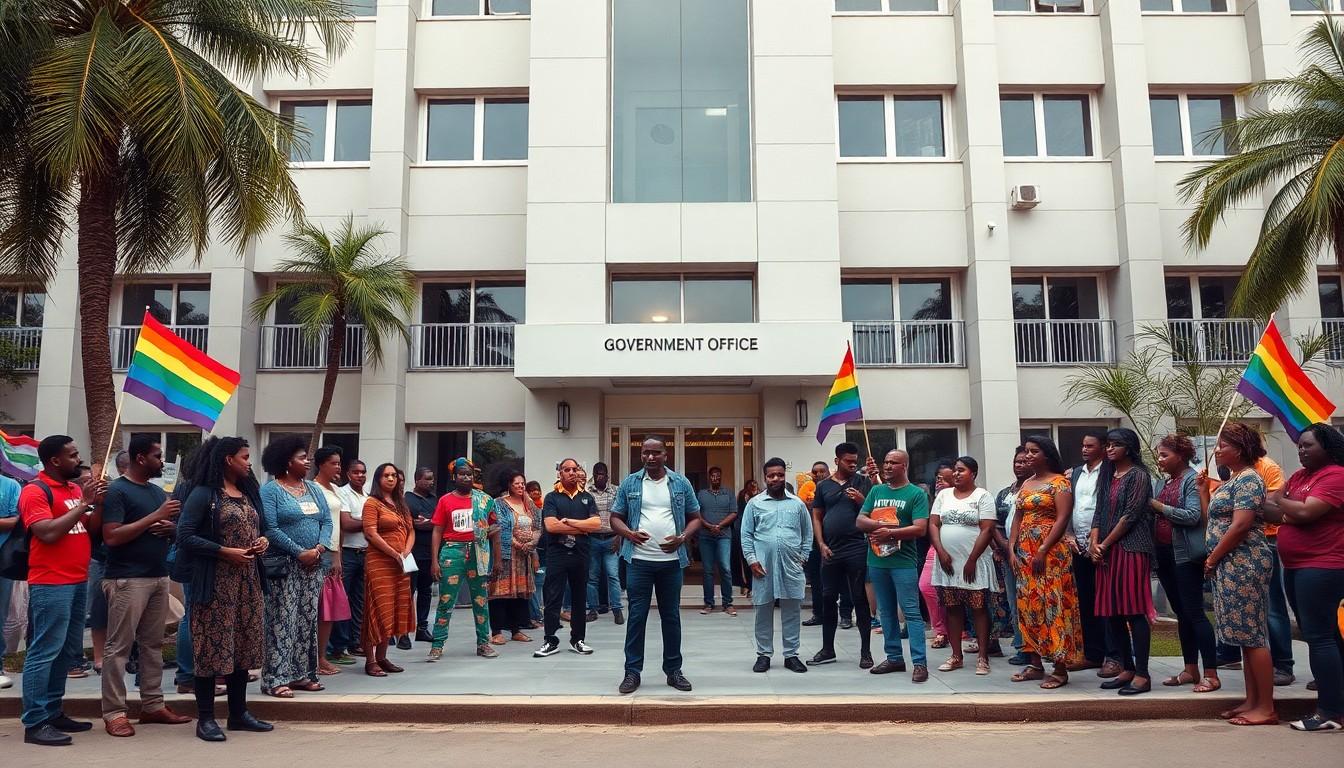
Shoppers of headlines have noticed a worrying pattern: West African governments are passing tougher anti-LGBTQ laws, and it matters because these measures reach beyond politics to healthcare, safety and everyday life for queer people across the region. Here’s what’s happened, why, and what to watch next.
Essential Takeaways
- Wider crackdown: Multiple West African states have introduced or tightened criminal penalties against same-sex relations and LGBTQ+ expression, increasing legal risk.
- Countries in focus: Senegal, Niger, Mali, Burkina Faso and Ghana have all moved to restrict LGBTQ+ rights in recent months.
- On-the-ground effects: NGOs report more arrests, online surveillance, and barriers to HIV and sexual health services.
- Political drivers: Activists say leaders use anti-LGBTQ rhetoric to rally support amid instability, with conservative international networks also influencing policy.
- Human cost: Rights groups warn the laws push vulnerable people underground, limit access to care, and can prompt cross‑border displacement.
What changed , a quick snapshot of recent laws
Senegal recently tightened penalties, increasing maximum prison terms and broadening bans on promoting homosexuality, a move that immediately tightened the atmosphere for queer people. Niger, which had no criminalisation of same-sex relations until this year, enacted new prohibitions under its current regime. Mali and Burkina Faso have also introduced bans while under military control, and Ghana’s legislature approved fresh measures that now await the president’s signature.
According to reporting by major outlets, these are not isolated tweaks but part of a concentrated, regional push. The legal shifts feel abrupt on the ground; community groups say the mood has gone from cautious to fearful, with visible impacts on clinics, social spaces and online life.
Why politicians are turning to anti-LGBTQ laws
Observers and activists argue the laws are political tools as much as moral statements. In contexts of economic strain, coups and fragile governments, lawmakers can galvanise conservative constituencies by framing LGBTQ+ rights as a threat to tradition or national identity.
Human rights commentators note a pattern: proposals are couched in religious or family-values language, which broadens appeal. Meanwhile, international conservative networks have been active in regional forums, pushing “family sovereignty” ideas that dovetail with national bills. The result is legislation that reads locally but is reinforced by transnational discourse.
The real-world fallout , safety, health and surveillance
Community organisations report rises in arrests, intimidation and online entrapment. Healthcare workers say they’re seeing patients avoid clinics out of fear, which undermines HIV prevention and treatment efforts for groups already at higher risk. Social media and messaging apps have become both refuge and hazard, as activists try to organise while facing increased digital surveillance.
Humanitarian responders warn these dynamics don’t stay inside borders: people flee to neighbouring countries, but asylum and economic options are limited, pushing many to return to precarious situations.
How international actors and ideas are shaping the debate
Researchers point to a growing role for conservative international organisations that host parliamentary and civil-society gatherings, promote draft charters around family values, and supply talking points used by local legislators. Those draft frameworks often oppose comprehensive sexuality education, restrict abortion access, and emphasise traditional gender norms.
This international dimension doesn’t absolve domestic actors, but it helps explain the rapid spread of similar language and policy designs across different capitals.
What activists and rights groups are doing , and practical steps for supporters
Rights groups are documenting abuses, offering legal aid where possible, and pushing international advocacy to hold governments to human-rights obligations. For people and organisations wanting to help, practical actions include supporting local NGOs financially, amplifying verified reporting, and pressing foreign governments to condition assistance on human-rights protections.
For people in the region, simple precautions can reduce immediate risk: tighten social‑media privacy settings, use secure channels for sensitive conversations, and seek out community health services known to be discreet and trusted.
It's a small change that can make every day safer for vulnerable people.
Source Reference Map
Story idea inspired by: [1]
Sources by paragraph: