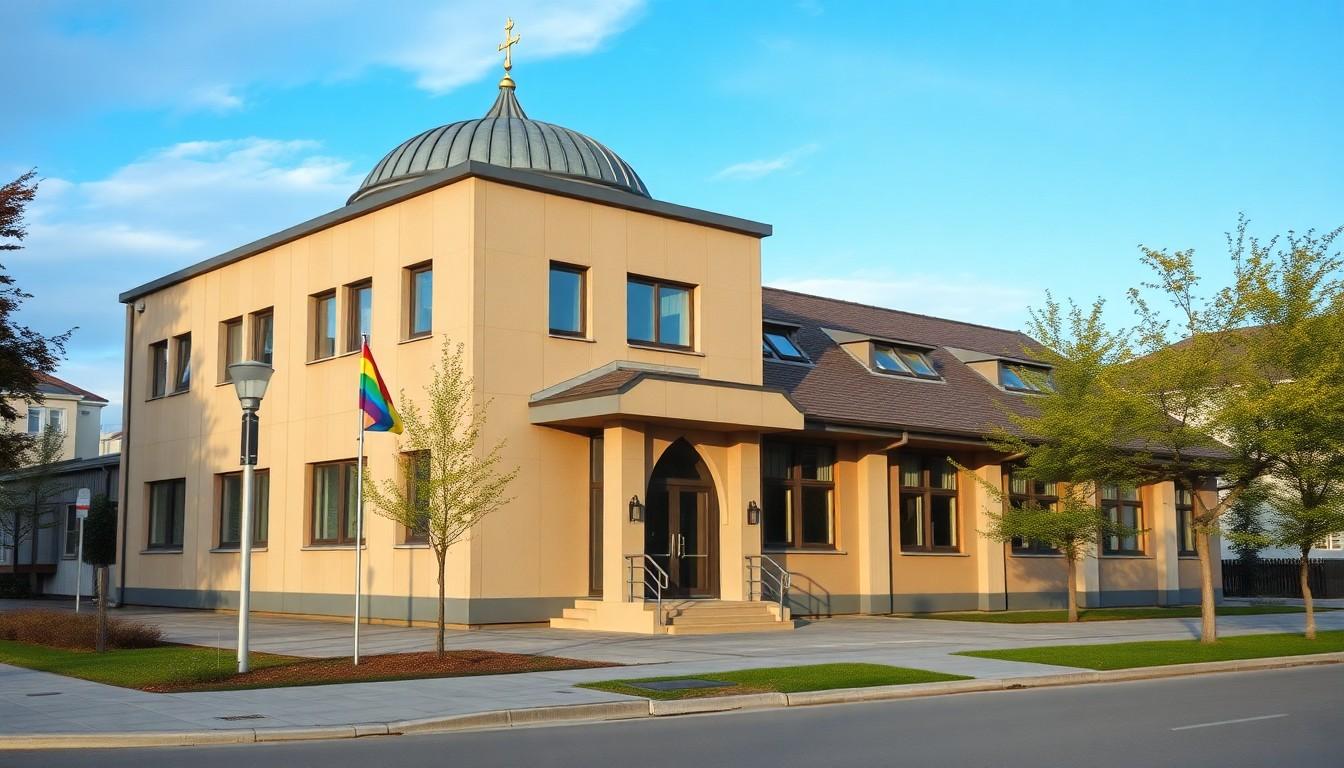
Notice how a violent attack can force a conversation we’ve been avoiding; people across Norway and beyond are now asking how to tackle homophobic attitudes in some Muslim communities , and why it matters for safety, inclusion, and the rights of queer Muslims.
Essential Takeaways
- Context matters: Recent terror-linked attacks have reignited debate about anti-LGBTQ+ sentiment in some Muslim communities and its real-world consequences.
- Not all the same: Islam is diverse; attitudes toward LGBTQ+ people vary widely across countries and communities.
- Double minorities: Queer Muslims often face layered stigma , from homophobia and from prejudice within wider society.
- Practical action: Honest local conversations, support for visible queer Muslims, and targeted outreach can reduce harm.
- Rights first: Demanding respect and legal protection is compatible with dialogue about cultural change.
Why this conversation feels urgent now
The shock of an attack targeting Pride forces a public reckoning, and that can feel raw and urgent , fearful, too. According to reporting and courtroom coverage of recent cases, the incident prompted people to ask whether hostile attitudes in some Muslim milieus played a role. That doesn’t mean equating belief with violence; it does mean we need to talk about attitudes that make queer people vulnerable. Practical takeaway: recognising the emotional weight lets conversations start without blaming entire communities.
What the evidence and faith traditions actually say
Scholars and faith bodies show a spectrum of views. Organisations that study religious stances point out that many Islamic traditions interpret same-sex relations as forbidden, while others within Islam offer more inclusive readings. International research highlights that law, politics and culture shape how beliefs translate into behaviour. For readers: if you want to discuss change, name the difference between theological debate, cultural norms, and political movements that push intolerance.
How queer Muslims experience a double bind
People who are both queer and Muslim often live with two layers of marginalisation , pressured by conservative social control in family or community, and exposed to suspicion or prejudice in the majority society. Interviews and profiles of visible figures show the personal cost: secrecy, isolation, or even protective measures. Practical tip: create safe, confidential spaces and amplify voices of queer Muslims rather than speaking over them.
What works for change: conversation, leadership and law
History shows Norway’s rights wins came through persistent campaigning, civic debate and legal change. The same mix helps here. When respected Muslim figures and politicians acknowledge problems and call for internal reflection, that shifts the needle. Meanwhile, anti-discrimination laws, clear hate-crime enforcement, and support services protect vulnerable people now. If you’re trying to help locally, back initiatives that combine community dialogue with legal safeguards.
Avoiding pitfalls: nuance over generalisation
It’s tempting to paint with a broad brush, but lumping all Muslims together fuels backlash and shuts down allies. At the same time, silence about real homophobia leaves queer people at risk. The smart approach is targeted: challenge harmful ideas and practices where they appear, while recognising allies and reformers within communities. Practical advice: base discussions on specific behaviours and policies, not on identity or origin.
Where to go from here
Encourage and fund grassroots projects led by queer Muslims, support training for community leaders, and keep public institutions vigilant against hate. Small steps , a school workshop, a mosque-led discussion, better reporting of hate incidents , add up. It’s a long haul, but history shows social change is possible when people speak up and institutions back them.
It's a small change that can make every queer life safer and more visible.
Source Reference Map
Story idea inspired by: [1]
Sources by paragraph: