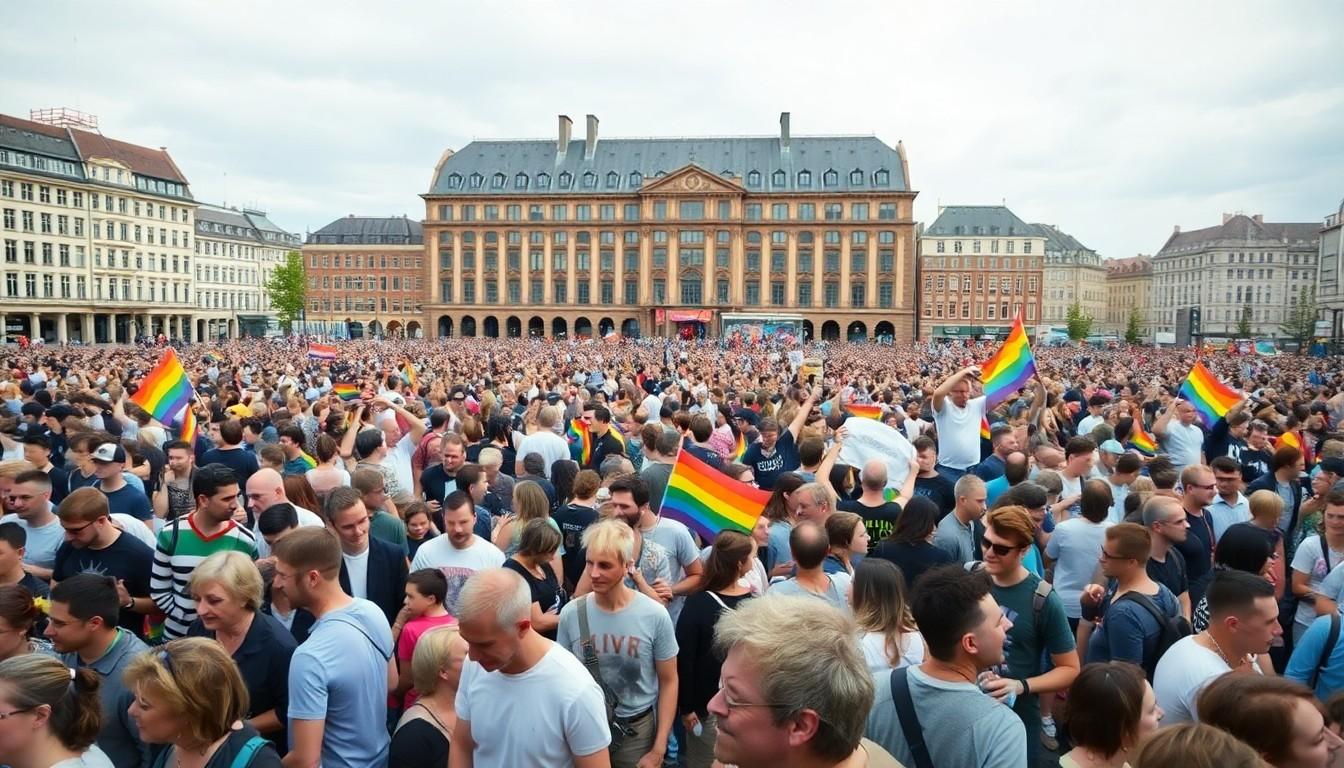
Shoppers and locals say resilience was on display as around 300,000 people turned out for Hamburg Pride, despite heightened security and grief a week after a fatal attack in Berlin , a vivid reminder of why public solidarity matters for LGBTQ+ communities across Europe.
Essential Takeaways
- Huge turnout: Roughly 300,000 people attended Hamburg Pride, drawing families, allies and activists in force.
- Tightened security: Police and organisers stepped up checks and barriers; the atmosphere felt safer though tense.
- After Berlin attack: The march came a week after a deadly vehicle attack at Berlin Pride that left one person dead and several injured.
- Emotional mix: Participants described a blend of celebration, defiance and mourning, with vigils woven into the parade.
- Practical note: Organisers urged people to use public transport, expect delays, and follow steward instructions.
A massive show of solidarity, with a wary edge
The headline figure , about 300,000 people , isn’t just a statistic, it’s a sensory moment: sea of colourful flags, chanting, brass bands and the low, steady hum of thousands walking together. According to AP reporting, the crowd swelled along central Hamburg streets under noticeably increased security. For many onlookers the day felt both festive and fragile, as people smiled more deliberately and hugged a little tighter.
That mix of joy and caution has roots in recent events. Organisers and police were responding to the deadly Berlin attack a week earlier, which Reuters and other outlets treated as a grim turning point. So the ramped-up security was visible , bag checks, barriers and more uniformed officers , but it didn’t stop people showing up.
Why organisers said they wouldn’t be intimidated
Event planners made a clear choice: continue with the parade as a statement. Public organisers told local media they wanted the march to be a defiant answer to violence, not a retreat. That decision mirrors a wider pattern seen after attacks on public gatherings , communities often double down on visibility to deny fear the final say.
If you’re attending a large march after a high-profile incident, it’s sensible to expect extra checks and to carry minimal bags. Bring water, a charged phone, and a meeting point in case you get separated , small steps that keep the day calm and connected.
Security steps: more visible, more checks, more reassurance
Police presence was amplified, with officers placed along key routes and at transport hubs. According to German-language reports, stewards coordinated closely with law enforcement, and some routes were altered to control access more tightly. That meant a smoother flow in many spots, although security queues grew near main entry points.
From a practical view, the emphasis on public transport and controlled access reduced disorder and helped emergency services locate people quickly if needed. If you travel to large events now, allow extra time for entry and follow organisers’ social-media updates for route changes.
How the Berlin attack reshaped the conversation
The Berlin incident , where a vehicle struck a Pride crowd, killing one and wounding others , cast a long shadow. Media outlets reported that the suspect was later killed in a confrontation with police, and investigators were treating the case as a possible terror-related act. That framing pushed questions about policing, prevention and the safety of marginalised groups back into headlines.
Community leaders used the Hamburg stage to demand better protections and clearer prevention strategies, while also refusing to let fear erase Pride’s message of visibility. For many participants, the march was a protest and a public grieving at once.
What the day felt like on the ground
Vibrant floats and costumes still dominated the sensory picture, but there were pauses for vigils and moments of silence that threaded through the parade. People lit candles at memorial sites and carried signs calling for solidarity and structural change. Observers said the crowd’s energy was resolute rather than triumphant , a collective breath held and then released into music and movement.
As one marcher put it in local interviews, showing up was a way to protect the right to be seen. That sentiment is familiar across cities recovering from violence: buoyant, weary and stubbornly hopeful.
It’s a small change that can make every public gathering safer and more meaningful.
Source Reference Map
Story idea inspired by: [1]
Sources by paragraph: