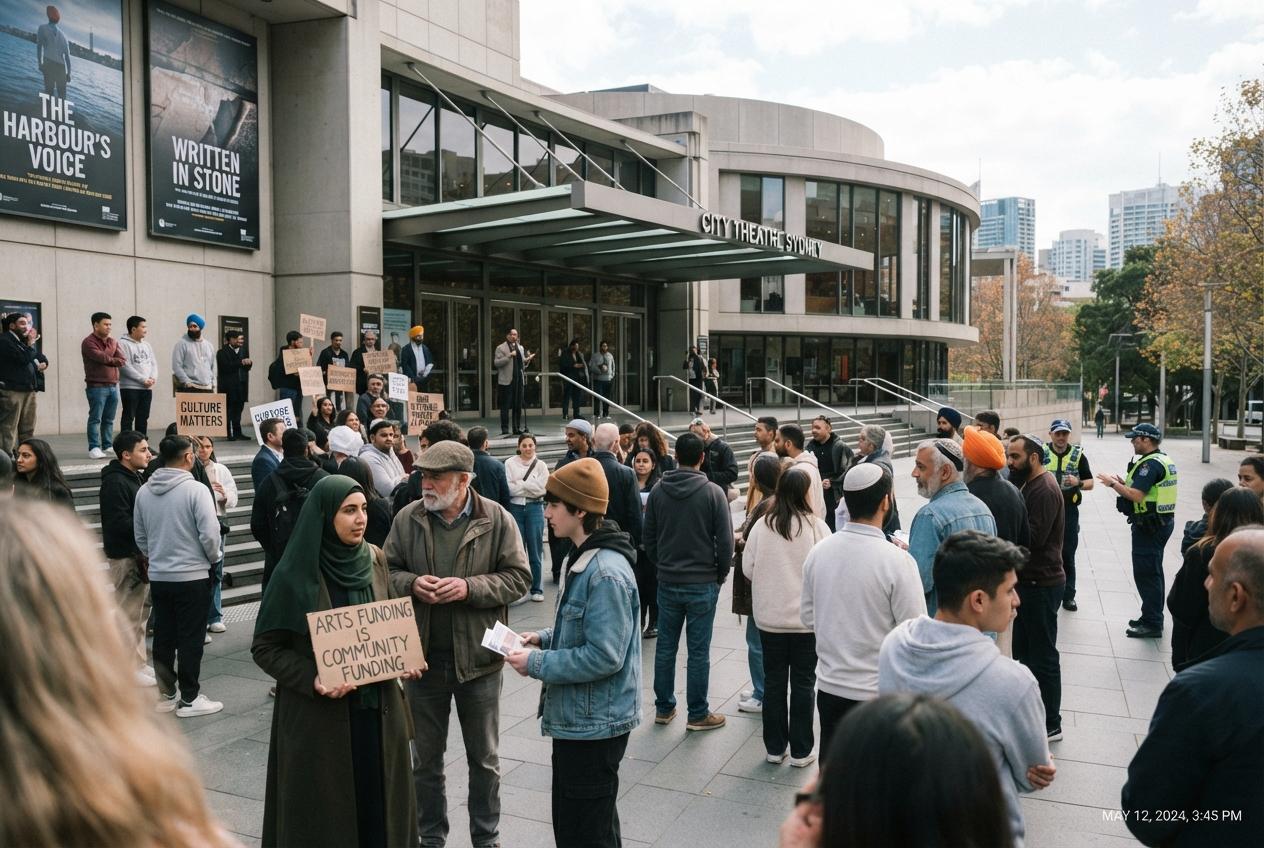
Shoppers are talking about Sydney’s short‑lived Divine Playhouse , a newly opened LGBTQ+ venue that closed within days after church protests , and why the episode matters for community spaces, free expression and where faith groups place their energy. Here’s a clear, human take on what happened and what to watch next.
Essential Takeaways
- Rapid closure: The Divine Playhouse shut days after opening following protests and a landlord notice, leaving artists and audiences stunned.
- Church involvement: Catholic groups organised demonstrations that preceded an official breach notice and public debate about offensive trading.
- Wider echoes: The dispute has sparked national coverage and conversations about LGBTQ+ arts in venues with religious histories.
- Practical fallout: Lease termination and venue uncertainty mean shows, performers and local culture projects face immediate disruption.
- Community choice: Observers say peaceful protest is a right, but many argue energy could be redirected to homelessness and social services.
What actually happened , the timeline in plain terms
Within days of opening, the Divine Playhouse , an LGBTQ+ arts venue housed in a former church building , closed after protesters gathered outside and the landlord issued a notice alleging the venue offended sincerely held religious beliefs. According to reporting from AusLeisure and ABC, organisers received a breach notice and the matter escalated quickly. The closure left planned events in limbo and artists scrambling for alternative spaces. It’s the sort of abrupt turn that feels shockingly modern: an Instagram‑era row spilling out into a legal and property dispute.
Who protested and why this mattered to them
Catholic men’s groups and a “Christian brotherhood” were among those who staged the demonstrations, arguing the venue’s activities conflicted with their beliefs. Coverage in Pedestrian and ABC makes clear the protest drew varying estimates of attendance and fierce feelings on both sides. Protesters insisted they were exercising free speech; critics countered that the action aimed to shut down a community space. The tension between freedom to protest and freedom to gather is old, but this time the protest directly impacted a cultural project in a building with a religious past.
The cultural context , art, churches and old battles revived
This isn’t the first time theatre has run headlong into religious objection. Historically, productions that challenged norms went on to become classics despite early outrage. UNSW commentary and historical threads show queer art and church spaces have a long, intertwined history worldwide, and clashes like this often reverberate well beyond a single show. What’s striking now is how quickly a community venue can be closed amid social media pressure, landlord intervention and headline news.
What the closure means for artists and audiences right now
A terminated lease or forced cessation isn’t just administrative; it costs time, money and momentum. ABC’s follow‑up reporting documents the lease termination and its immediate impact on performers, technicians and ticket‑holders. For artists, losing a dedicated queer space narrows the options for presenting work that may not fit mainstream venues. For audiences, it erodes safe places to gather. Practical steps: keep backup venue options in mind, document bookings and contracts carefully, and lean on arts networks for emergency support when venues face rapid closure.
The bigger question , priorities for faith groups and civic action
Some commentators asked whether the energy spent protesting might have more impact elsewhere , helping people sleeping rough, supporting refugees or volunteering with crisis services. That moral question was a recurring theme in coverage and opinion pieces that pointed out nearby social needs on the same night as the demonstrations. There’s a political and pastoral choice here: public witness through protest or public service through hands‑on care. Either approach can reflect faith values, but public reaction suggests many expected different priorities from established faith communities.
How to think about rights, offence and community spaces going forward
Democracy protects both the right to peaceful protest and the right to stage a performance. But when protests trigger landlord action and venue closures, the balance tilts and the costs are concrete. For organisers and venues, this episode underlines the importance of clear leases, community outreach to explain purpose, and contingency planning. For audiences and neighbours, it’s a reminder that cultural life depends on tolerance for difference , and that choosing not to attend remains a simple alternative to campaigning to close a space.
It’s a small choice that can make every performance safer and every community stronger.
Source Reference Map
Story idea inspired by: [1]
Sources by paragraph: