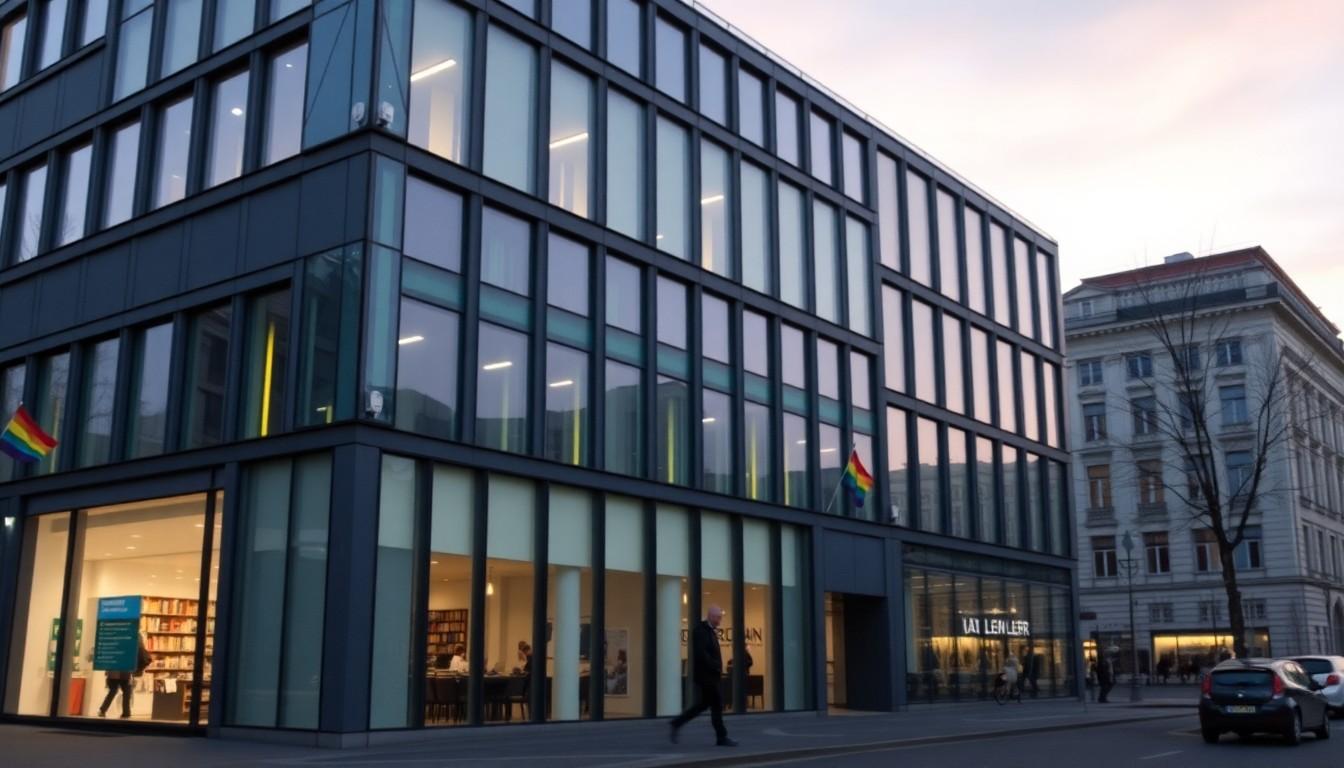
Shoppers, commuters and clubgoers are facing a tougher reality: queer people in Germany report more attacks and threats, from street insults to coordinated assaults, and the trend is reshaping how communities move, meet and protect themselves. Here’s what’s changed, why it matters and practical steps for staying safer.
Essential Takeaways
- Rising incidents: Official data show a sharp increase in crimes motivated by sexual orientation and gender diversity, with hate incidents reported more often and more violently.
- Varied settings: Attacks happen everywhere , parks, cruising spots, schools, sport venues and via dating apps, often leaving victims shaken and traumatised.
- New tactics: Perpetrators sometimes use dating apps to lure victims, a method that can lead to robbery, assault or humiliation.
- Local differences: Cities and neighbourhoods differ , some queer areas still feel safe, while others, especially with right-wing or anti-immigrant tensions, are riskier.
- What helps: Reporting to police, community projects, safer-app practices and visible solidarity are practical defences that communities and individuals are using.
Why the numbers are climbing and how people feel about it
The police statistics and recent reports point to a near tenfold rise in recorded offences targeting sexual orientation or gender diversity over the last decade, and the upward trend hasn’t stopped. Victims and activists say this is not just about more reporting: attacks have become bolder and more violent, and that changes the emotional texture of everyday life , people describe a prickly, watchful feeling where they once felt relaxed. According to local community workers, that worry is especially acute among younger or visibly queer people who grew up expecting progress and now feel betrayed by a shift in public tone.
From parks to apps: where attacks are happening now
Incidents are no longer confined to backstreets. They’re reported in public parks, cruising areas, near transport hubs, in schools and sports clubs, and increasingly via dating apps where anonymity can be weaponised. Community counselling services describe patterns where groups target individuals in parks with weapons or organised harassment, while isolated assaults after app meet-ups have left victims traumatised. The variety of settings means safety can’t be solved with one measure , it needs tailored local responses.
Dating apps as danger zones , what to watch for
Dating platforms can be lifelines for queer people, but they’re also exploited. Reports include bait-and-robbery schemes where matches arrange meetings that turn violent, and attackers use the app’s proximity features to find and trap victims. Practical tips: always tell a friend where you’re going, meet in public first, check profiles carefully, and use in-app safety features. Community organisations are pushing for better app moderation and clearer reporting paths to reduce these risks.
How communities and authorities are responding
Local initiatives, from anti-violence projects to safer-space training, are stepping up, and some police units are becoming trusted partners for reporting and investigation. Yet activists also criticise political hesitation and budget cuts to youth support networks, arguing that public rhetoric matters: official silence or distancing can feed a climate where abuse feels acceptable. Where collaboration works , with joint prevention efforts and visible solidarity at Pride and public sites , people say it measurably increases confidence.
Practical steps for individuals and allies
If you’re queer or an ally in Germany, small choices add up. Carry identification for emergencies, use safety-check apps, meet new people in daylight, share whereabouts with friends, and document any abuse with photos or notes. Report incidents to police and community organisations; documentation helps prosecutions and can unlock local prevention funding. Allies should show up publicly , a simple visible support can make a big psychological difference for someone deciding whether to walk home holding hands.
It's a difficult moment, but small, practical actions and visible solidarity can blunt the worst of the trend and make daily life safer for queer people.
Source Reference Map
Story idea inspired by: [1]
Sources by paragraph: