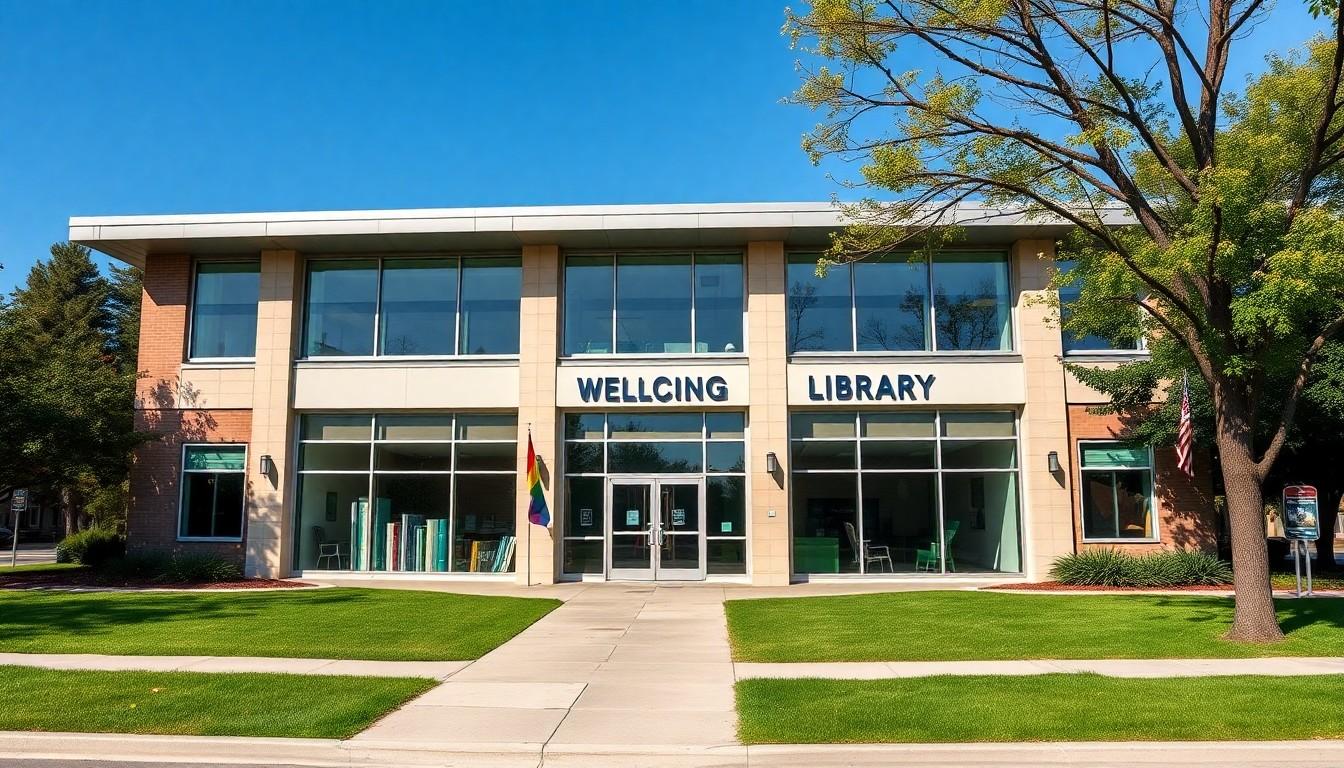
Shoppers and residents are paying attention after Monroeville’s municipal leaders pressured a public library to remove a Pride book display early, sparking a wider debate about who should decide what’s on show in community libraries and why that matters. This is about local power, kids’ safety, and whether books are being used as a scapegoat.
Essential Takeaways
- What happened: Monroeville’s library took down a Pride display a week early after municipal council members intervened, upsetting patrons and library supporters.
- Local tension: Residents spoke at a July council meeting; council members defended their pressure, raising questions about municipal overreach.
- Wider pattern: PublicSource and local reporting link this incident to similar fights across nearby districts and townships where books and library policies were challenged.
- Real risk: Verified local cases show sexual abuse by school staff and contractors, underscoring that adult misconduct, not children’s books, is the clear danger to young people.
- Practical point: Libraries have trained staff and internal procedures; elected officials pressing to remove displays may set a damaging precedent.
What actually happened in Monroeville , the short, sharp story
The Monroeville library put up a Pride-themed book display for Pride month and removed it early after municipal councillors raised objections. The action prompted residents to speak at a July 7 council meeting and left many asking why an elected municipal body intervened in a library decision. According to local outlets, library leadership complied with the request rather than following established internal review channels, which has many people worried about the precedent this sets.
Why librarians should call the shots, not councillors
Libraries employ trained professionals who curate collections and displays to serve diverse communities, and they operate under their own governance structures. When municipal officials step in to force content decisions, it blurs lines of responsibility and risks politicising routine programming. There are already procedures for complaints and appeals; bypassing them makes it easier for a few loud voices to sideline the expertise of library staff and the interests of the whole community.
This isn’t an isolated spat , it fits a larger regional pattern
Reporting and tracking by outlets such as PublicSource show a string of disputes across school districts and municipalities in recent years, from Pine-Richland to Hempfield and Norwin, where book challenges or policy changes touched off long fights. Sometimes boards implemented purchase policies only to repeal them later; other times challenges stuck. The pattern is familiar: local controversy, political pressure, and the same cultural flashpoints returning town to town.
The real child-safety issues we should be focusing on
Local records and reporting show numerous incidents of sexual misconduct involving school employees and contractors in the same regions , coaches, teachers and even third‑party workers have been charged or convicted in high-profile cases. Those are the harms that actually put kids at risk. Pointing at books as the cause of sexual abuse misdirects energy and resources away from vetting, training, reporting systems and restorative supports that would genuinely protect children.
How communities can respond without turning libraries into battlegrounds
If you care about children’s welfare and fair access to information, there are constructive steps: support transparent complaint procedures at libraries, back library boards that reflect community values, demand rigorous background checks and reporting mechanisms in schools, and vote in local elections. When concerns arise about specific titles, use the library’s review channels rather than appealing to politicians who may have conflicts of interest.
It's a small change that can make every display safer and every decision more accountable.
Source Reference Map
Story idea inspired by: [1]
Sources by paragraph: