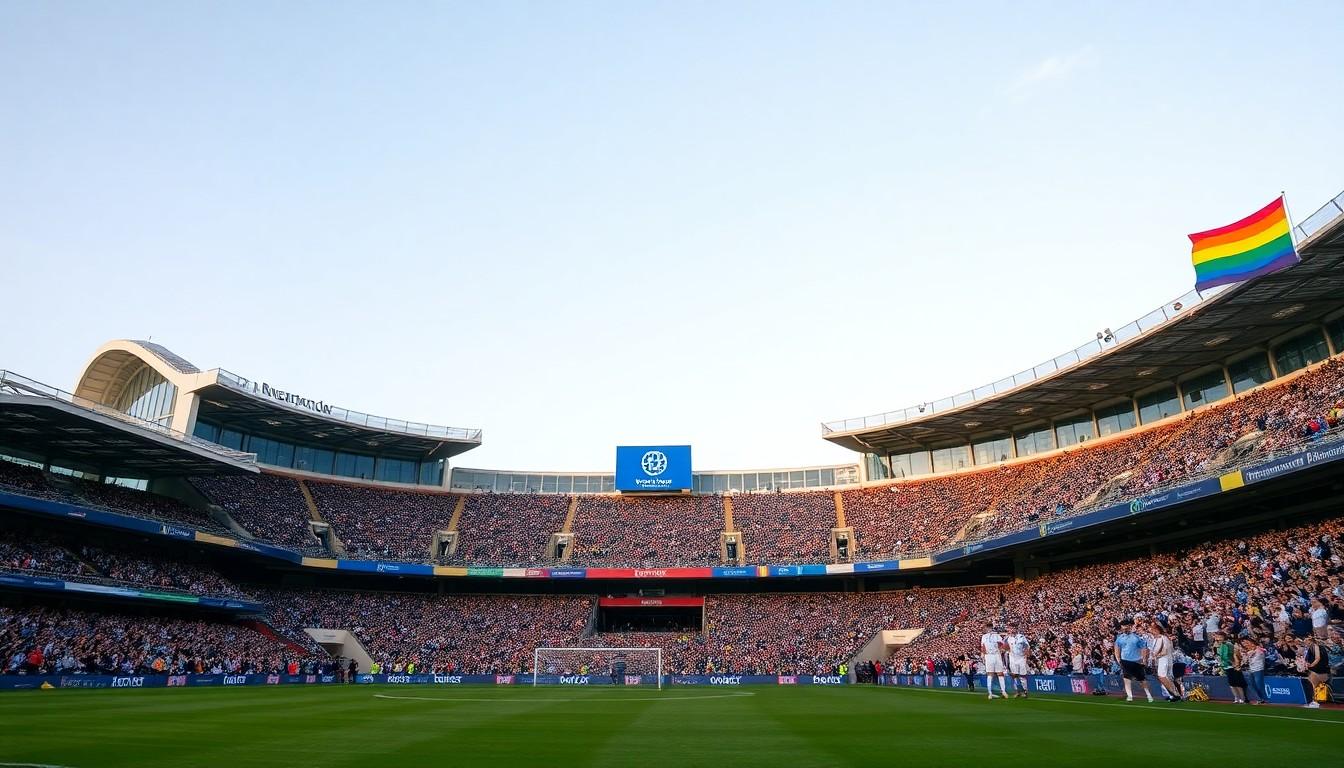
Shoppers are turning their eyes to football again after unexpected moments at the 2026 World Cup made the game feel more inclusive; players like Borja Iglesias and Lamine Yamal used their spotlight to challenge homophobia and toxic masculinity, and that shift matters for fans, academies and clubs across Europe.
Essential Takeaways
- Visible leadership: Borja Iglesias used high-profile gestures to speak out against homophobia, making football feel more welcoming to some fans.
- Cultural friction remains: Stadium chants and locker-room dynamics still reflect a traditional idea of masculinity that pushes people away.
- Grassroots impact: Academies and youth coaches are now under more pressure to teach respect, not just technique.
- Small wins, big signal: New LGBT+ supporter groups and different fan reactions show attitudes are shifting, even if slowly.
- Policy gap: Lasting change needs firm sanctions, education and federations prepared to act beyond token campaigns.
A few players changed the conversation , and it felt noticeable
It only takes one image, one gesture, to make a crowd sit up , and during the 2026 World Cup a handful of high-profile players did exactly that. Borja Iglesias, for example, turned what could have been a small personal statement into a public conversation about homophobia in football. According to UEFA coverage and Spanish outlets, his actions resonated beyond Spain and forced commentators to ask what it means when football stars speak on social issues. The feeling in the stands shifted; some fans said the atmosphere felt less hostile and more thoughtful.
But the stadiums and changing rooms still tell a different story
Despite the headlines, the game on the terraces and behind the scenes hasn’t transformed overnight. Reports from EFE and other outlets remind us that homophobic slurs, macho banter and exclusionary jokes are still common enough that many players , and whole generations of youngsters , learn to hide who they are. That’s why the voice of a single star is important but insufficient: the culture in clubs, academies and families often teaches that football equals a test of masculinity, and that’s a hard mould to break.
Youth academies are where the next generation of fans is won or lost
Coaches shaping seven- to 18-year-olds now face a simple truth: kids aren’t only learning how to dribble, they’re learning how to belong. As outlets such as AS and El País have highlighted in profiles of players who broke norms, the moment to intervene is early. Practical steps , anti-bullying education, clearer codes of conduct, parental engagement , are low-cost and high-impact. If clubs want to keep promising talent in the sport, they’ll need to teach respect alongside tactics.
Fans are responding , new supporter groups and different reactions
Change isn’t just top-down. Supporters are starting to set the tone in stadiums. European clubs are seeing the rise of LGBT+ fan groups and more visible allyship on matchdays, a point picked up by local and national media. That’s important because fans police behaviour as much as officials do; when chants are challenged in the stands, the whole matchday experience becomes less hostile. Still, the presence of these groups is as much symbolic as practical , it signals progress but doesn’t erase the need for stronger institutional action.
What governing bodies and clubs should actually do next
Words and campaigns make headlines, but the sustained fix requires policy and teeth. Federations can tighten sanctions for homophobic abuse, fund education programmes for academies and monitor club cultures. Clubs can offer confidential support for players who feel marginalised and make it clear that equality isn’t a publicity stunt. Journalists and fans should keep spotlighting both good examples and failures so that momentum doesn’t fade like a hashtag.
It's a small change that can make every chant, training session and pitch feel a little more like home.
Source Reference Map
Story idea inspired by: [1]
Sources by paragraph: