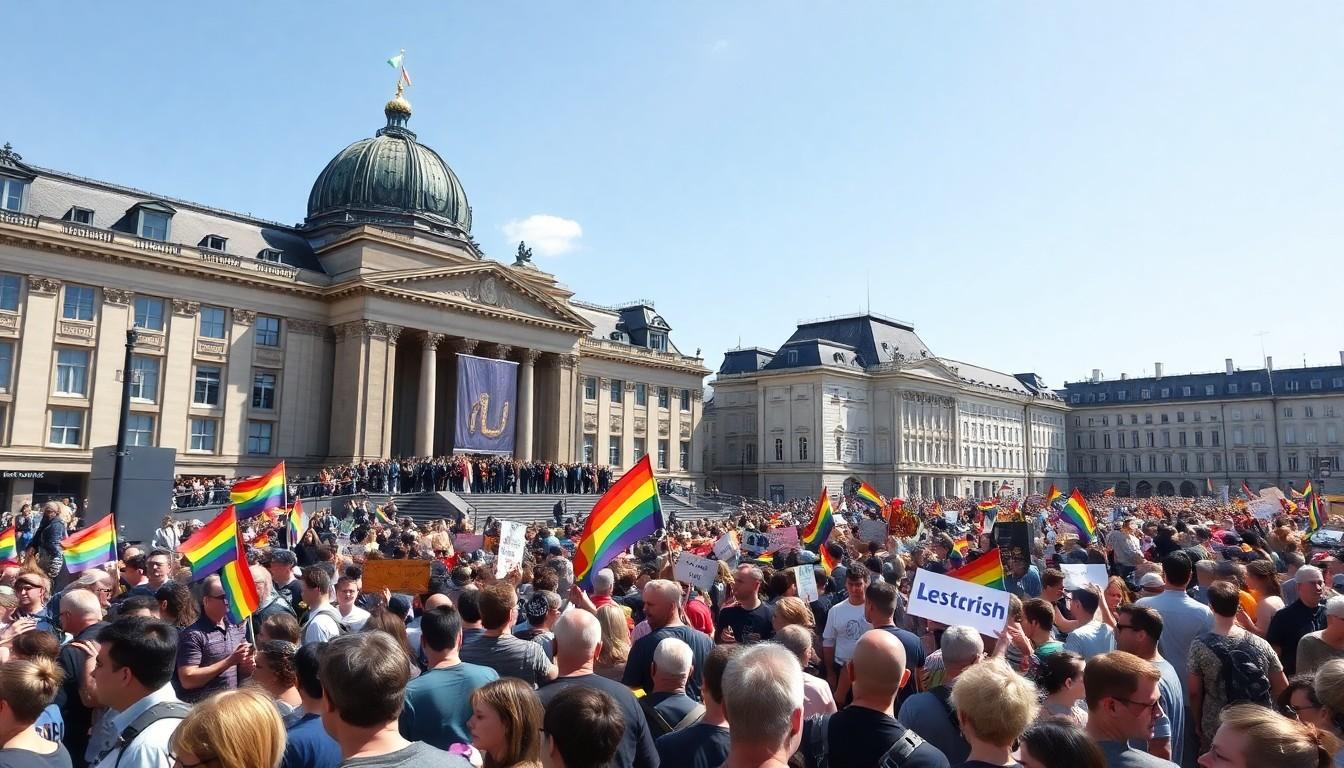
Shoppers, residents and visitors flooded Pride events across Germany this weekend as organisers and officials balanced celebration with caution; from Hamburg’s large march to quieter vigils in Bonn, communities turned out to show solidarity and resilience after last week’s Berlin attack.
Essential Takeaways
- Large turnout: Organisers in Hamburg expected roughly 250,000 people for the Christopher Street Day parade, signalling strong public support.
- Heightened security: Police deployed noticeably more officers in Hamburg, saying they would roughly double personnel compared with last year.
- Visible solidarity: Politicians and CSD groups from other cities joined marches; Berlin’s CSD association even brought its own float to Hamburg.
- Moment of mourning: Bonn’s CSD began with a silent minute and tributes to the victims, keeping a respectful, sober tone amid celebration.
- International echoes: Leaders in other countries, including the Dutch prime minister, urged visibility and protest against anti-LGBTIQ violence.
Hamburg’s parade: big, proud and carefully policed
Hamburg’s Christopher Street Day marched through the city with a bright, determined atmosphere and a palpable sense of defiance against fear. Flags, music and thousands of colourful participants filled the inner city, yet there was also the quiet, careful hum of security at the margins.
The decision to scale up policing followed the car-ramming attack in Berlin a week earlier, and local authorities said they would roughly double last year’s security presence. Organisers had called the entire city to join, and the mood mixed celebration with a clear message: solidarity matters now more than ever.
If you’re heading to a large march, pick a public meeting point, stay aware of exits and keep a charged phone and a water bottle with you. For many people the visible police presence felt reassuring; others said it underscored how fragile public safety can seem.
Bonn’s CSD: solemn remembrance before the music
Where Hamburg offered a loud statement of numbers and colour, Bonn’s Pride chose to begin publicly with silence. A minute’s silence and heartfelt remarks opened the Münsterplatz programme, leaving room for grief and communal reflection.
Local organisers reminded attendees that the attack affected more than one city or group; officials and volunteers spoke about trauma and the need for community care. It was a reminder that Pride can be both protest and mourning, and that public rituals help people process shock.
If you’re attending a smaller event, expect a mix of celebration and remembrance. Take advantage of on-site support services or local helplines if the atmosphere feels heavy , organisers often set them up for exactly this reason.
Security conversation: more police, more debate
Police departments across the country moved quickly to reassure citizens by increasing visible protection and patrols. Hamburg’s decision to nearly double security staff reflects a broader trend: after a high-profile attack, authorities favour a strong, visible deterrent.
That approach draws mixed reactions. Some participants said the extra officers made them feel safer and allowed them to express themselves more freely; others warned against an atmosphere that could feel militarised and intimidating for marginalised communities.
Practical tip: if visible policing concerns you, choose events with community-led safety teams or look for quieter programme elements like panels or daytime family-friendly activities.
Cross-border reactions: leaders urging openness and protest
The response wasn’t confined to Germany. In Amsterdam, the Dutch prime minister spoke openly to young LGBTIQ people about the importance of coming out and standing up to hostility. European leaders’ messages reinforced a common theme: visibility is both a risk and a form of resistance.
Reports and commentaries across outlets highlighted that attacks on Pride events are attacks on democratic freedoms, and many politicians used their appearances at CSDs to call for unity. For communities, those words can be reassuring , and they also keep the political heat on prevention and protection measures.
If you follow international Pride coverage, you’ll notice similar talking points: visibility, solidarity and increased calls for policy action to protect vulnerable groups.
What this means going forward: practical choices and community care
The weekend’s events made clear there’s no single right response: cities will keep hosting Pride, but many will do so with bolstered security and a greater emphasis on support structures. For attendees, thinking ahead , where to meet friends, how to spot safe spaces, and when to step back if crowds feel intense , makes the experience more secure and enjoyable.
Organisers are likely to keep mixing celebration with remembrance and to expand on mental-health resources at events. And while public safety remains a priority, the turnout shows people prefer to be visible rather than retreat.
It’s a small change that can make every march safer and every celebration more resilient.
Source Reference Map
Story idea inspired by: [1]
Sources by paragraph: