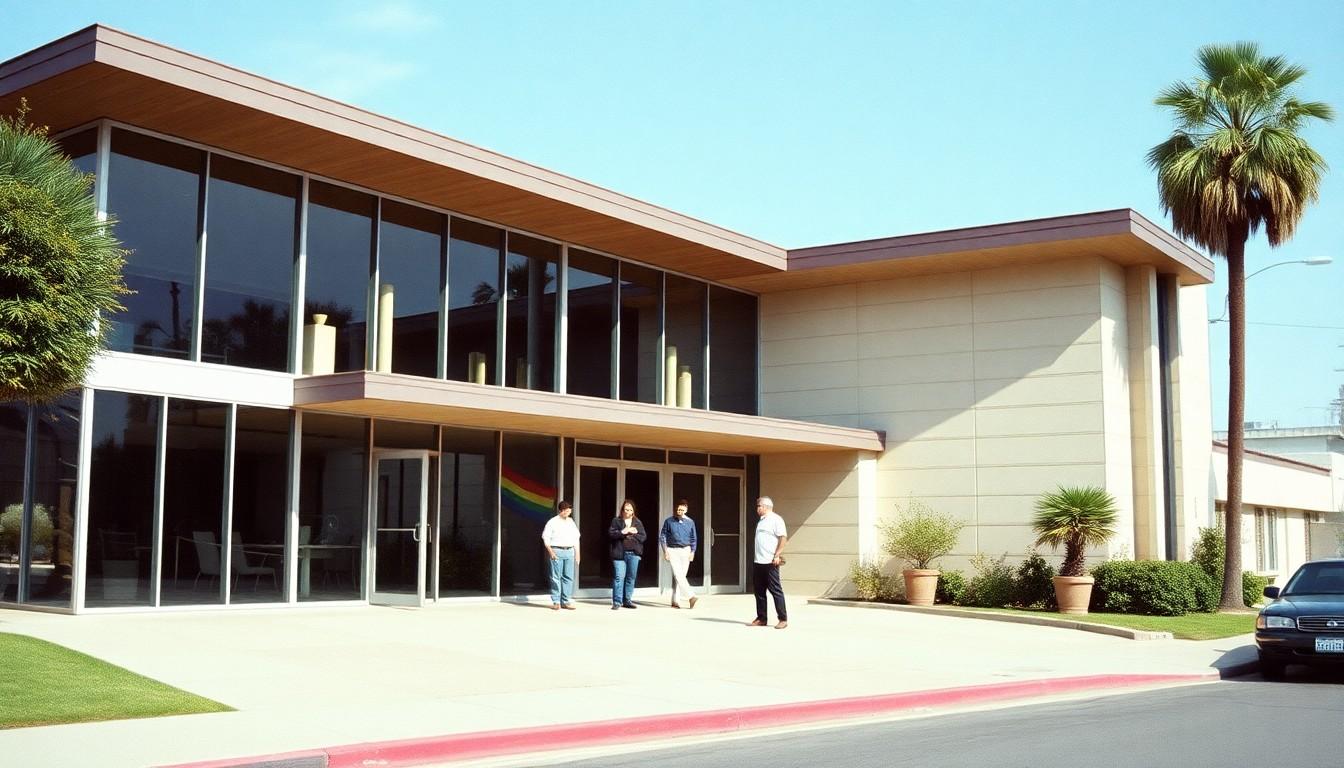
Shoppers and readers are rediscovering how gay villages reshaped cities and culture; Jay Quint’s Village Dreams traces the shift from 1960s communal chaos to the polished, paradoxical enclaves of the ’70s, showing why these neighbourhoods mattered then , and still do now.
Essential Takeaways
- Big picture: Village Dreams maps the migration from Haight‑Ashbury’s excess to the emerging gay villages of the Castro, West Hollywood and Montreal.
- Tone: The book mixes memoir, cultural criticism and prose poetry, with humour that keeps the critique lively and humane.
- Themes: Quint explores camp, cruising, hipsterism and commodification, balancing erotic liberation against later gentrification.
- Feel: Expect reflective, sometimes melancholic passages, with flashes of wit and sharp cultural reading.
- Practical value: Good for readers wanting cultural history, queer memoir or a sceptical take on tech‑era commodification.
A vivid map of a cultural migration
Quint opens with a clear image: the Summer of Love’s glitter giving way to a darker, seedier Haight that pushed many to find refuge elsewhere, notably Eureka Valley. That sensory detail , the trashy, overstimulated scene folding in on itself , frames the rest of the book and gives readers something to picture. According to the Bay Area Reporter’s coverage, this move helped crystallise the Castro as a new, gay‑led neighbourhood, and Quint uses that shift to argue for the historical importance of village life. For anyone curious about how places change, his account is immediate and human: rents were cheap, communities formed, and a new urban culture took root.
Camp, criticism and cultural reading made lively
Quint treats camp not as a joke but as a cultural engine, tracing its line from Christopher Isherwood through Susan Sontag’s famous essay to the fashion‑world reworkings we see today. He writes with a light touch, riffing on high theory , Hannah Arendt, Walter Benjamin , without becoming academic or abstruse. That balance is useful: it lets the reader enjoy references and feel smarter for doing so, while never losing the book’s emotional throughline.
Eroticism, cruising and the politics of place
He writes warmly about those liberated spaces , bathhouses, piers, YMCAs , capturing their erotic energy and social daring. Quint’s recollections make a case that these sites were more than sexual playgrounds; they were political and social incubators. His stories of cruising and meeting in parks and piers read like social history with an electric, slightly mischievous pulse, and that contributes to our understanding of how queer public life was made.
From bohemia to brand: commodification and the tech effect
One of the sharper shafts in the book targets how countercultures are eaten by the market. Quint traces a line from the romantic hipster lineage of Ginsberg and Leary to the polished, marketable identity movements that follow, and he doesn’t spare the tech‑era reinvention of cities. His criticism lands particularly on San Francisco’s later transformation into a playground for wealth, where the revolutionary rhetoric is often a veneer for rising inequality. That argument rings with readers who’ve watched beloved neighbourhoods get rebranded.
Why this book matters now
Village Dreams is part memoir, part cultural critique and part elegy , and that hybridity is its strength. It asks readers to recognise the layers in urban queer history: joy and liberation, yes, but also loss and absorption into commerce. For anyone interested in queer history, urban change or the genealogy of camp, Quint’s book is a compact, thoughtful guide that rewards patience and curiosity. It’s also a reminder that cultural movements rarely stay pure; they get remade by markets and memory.
It's a small, sharp book that helps you see how joyful rebellion becomes neighbourhood, and how neighbourhood becomes commodity.
Source Reference Map
Story idea inspired by: [1]
Sources by paragraph: