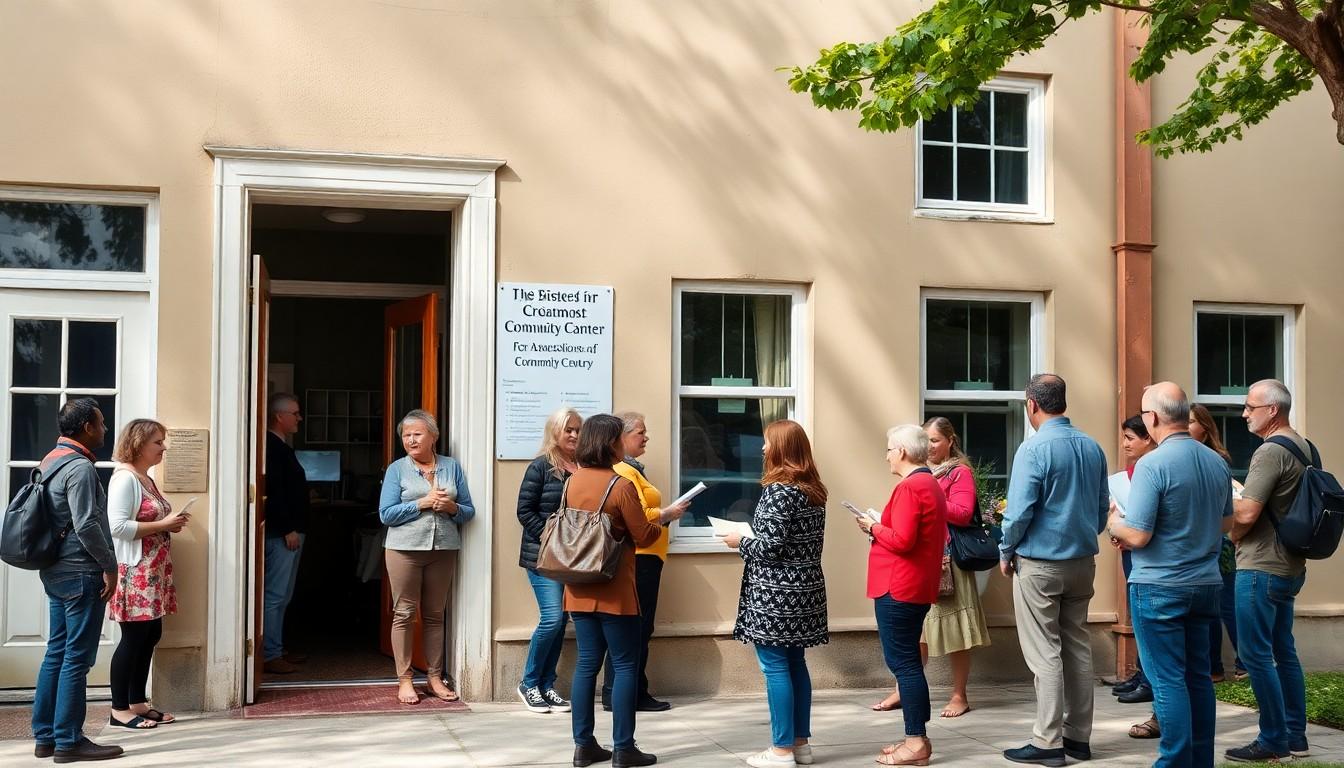
Shifts in hearts and laws rarely start in courtrooms; they start at kitchen tables. This look at the marriage equality movement explains who pushed it, how door‑to‑door organising turned legal losses into a national win, and why the story matters for anyone trying to change law or culture today.
Essential Takeaways
- Grassroots grit: Persistent local organising and personal conversations converted sceptics and built momentum for nationwide change.
- Tactical patience: Early setbacks at ballot boxes and in courts didn’t stop activists; they refined messaging and kept showing up.
- Legal plus popular pressure: Court victories like Obergefell were rooted in years of cultural shift and strategic litigation.
- Lessons for today: Coalition‑building, storytelling, and realistic timelines remain the most transferable tools for other causes.
Why door‑to‑door politics mattered more than you might think
The striking thing about the marriage equality story is how tactile it was , people knocking on doors, sitting at kitchen tables, telling quiet personal stories that changed minds. Organisers learned that abstract legal arguments don’t move most voters as much as a neighbour’s earnest recounting of love and family life. According to histories from major advocacy groups, those one‑to‑one conversations built the relational trust the movement needed to survive early defeats and scepticism.
That grassroots foundation also created a feedback loop: organisers heard the real questions people had, refined their messaging, and trained volunteers to answer them calmly. If you’re organising now, start with small, repeated interactions rather than hoping a single viral moment will do the work.
How repeated local losses became a national strategy
The campaign lost a lot in the early years , local ballot measures, state courts, and public opinion polls that lagged. But activists treated each loss as intelligence. They analysed who opposed them and why, shifted emphasis to fairness and family, and pushed for incremental wins like civil unions and nondiscrimination laws. The Brennan Center and other commentators note that this patient, iterative strategy allowed organisers to test messages and tactics before bringing issues to courts.
That approach also meant the movement could target juries of public opinion as well as judges. For modern campaigns, it’s a reminder to design strategies that build popular legitimacy alongside legal arguments; the two together are far more durable than either alone.
Why litigation mattered , but only after organising laid the groundwork
You’ll often hear Obergefell framed as a single, dramatic Supreme Court moment. That’s true, but it’s incomplete. The 2015 decision came after decades of advocacy, dozens of lawsuits, and changing public attitudes. Legal wins were decisive, but they were effective because they reflected a society that had already shifted beneath the law.
Legal strategists behind the movement deliberately timed cases to press questions that would produce broader sympathy and clearer precedent. If you’re considering litigation as a tool, think of it as amplification: the courtroom can enshrine change, but it usually follows a change in everyday minds.
Messaging, messengers and the power of personal stories
One of the movement’s smartest moves was who they put forward to tell the story: parents, veterans, clergy, and couples with ordinary lives. These messengers helped reframe the debate from abstraction to empathy. Organisations like the Human Rights Campaign and Marriage Equality USA invested heavily in training spokespeople and crafting narratives that resonated across political lines.
Practically, that means your campaign should recruit credible, varied messengers early. Stories that show day‑to‑day realities , the smell of a family dinner, the routine of care between partners , cut through ideological noise in a way facts alone rarely do.
What the marriage equality arc teaches about risks and reversals
A tough but necessary point: popular constitutionalism is double‑edged. The same tactics that built support for rights can, in different circumstances, be used to entrench policies people oppose. The movement’s architects themselves have reflected on how temporary gains can be if not backed by enduring institutions and culture.
So think beyond the headline victory. Invest in institutions, ongoing education, and legal safeguards. Build networks that can defend wins against political or judicial backsliding. That forward planning is what turns a landmark ruling into lasting change.
It's a small change in approach that can make every campaign more resilient.
Source Reference Map
Story idea inspired by: [1]
Sources by paragraph: