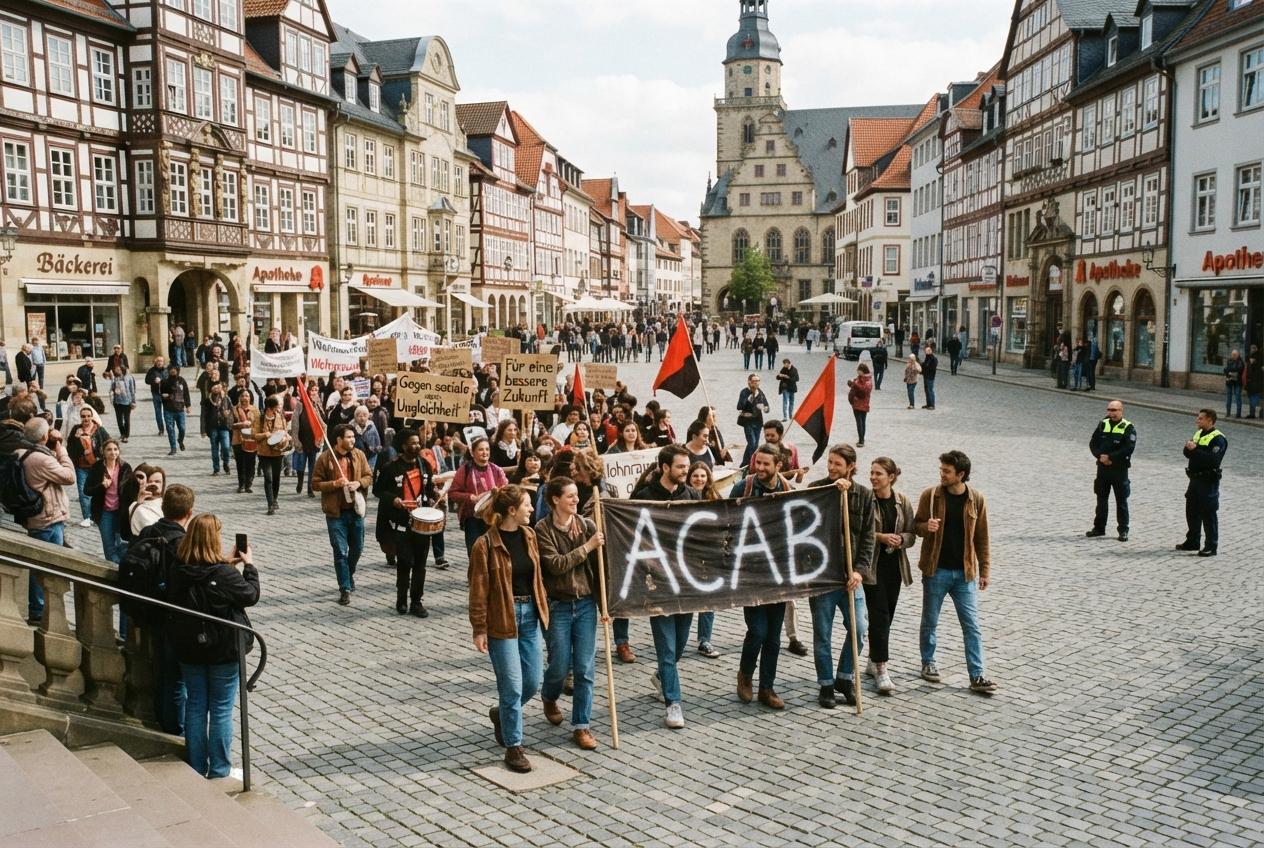
Spotting tensions at a peaceful Pride march: locals, politicians and organisers in Lünen are debating a single ACAB flag that drew criticism , here’s what residents should know about free expression, safety and political messaging at community events.
Essential Takeaways
- What happened: A Pride parade in Lünen passed without violence, but a flag reading ACAB (All Cops Are Bastards) prompted complaints from some attending politicians.
- Organiser response: The event organiser says the march remained peaceful and is addressing concerns while defending the right to protest.
- Context matters: Similar controversies have flared at other German CSD events, making the balance between safety and expression a live issue.
- Practical note: If you attend a CSD, expect diversity of views; soft boundaries on clothing and banners vary by city and organiser.
- Atmosphere: Participants described the day as calm and colourful despite the debate, with an undercurrent of frustration and solidarity.
A single banner that sparked a bigger conversation
The most vivid image from Lünen’s CSD wasn’t a float or a costume but a plain flag with a blunt slogan, and that’s what pushed local politicians to voice displeasure. The march itself ran quietly, but the flag’s presence highlighted how a single visual can shift the mood. Organisers told reporters the event stayed peaceful, yet they’ve had to explain their decisions and field criticism from elected officials who joined the parade.
Why “ACAB” provokes stronger reactions than you might expect
The letters on that flag carry a charged meaning and a long history in protest subcultures, and in Germany those phrases often meet public scrutiny. Coverage elsewhere , notably recent incidents reported at larger CSDs , shows how quickly such symbolism can become the headline. For many attendees, the flag reads as system critique; for some politicians and members of the public, it feels antagonistic and inappropriate for a family-friendly community event.
How organisers balance free speech and community safety
Event teams face a real juggling act: protecting freedom of expression while keeping the space welcoming for everyone. The Lünen organiser insisted the march was safe and peaceful, which is the immediate priority for any public gathering. At the same time, small cities are increasingly writing or clarifying rules about banners and attire after spats in bigger cities put organisers on the defensive. If you help run or attend a CSD, it pays to check the event code of conduct in advance.
Lessons from other German Pride events
Incidents at larger CSDs have shown how quickly protests can escalate, and some activist groups have even been criticised publicly for crossing lines. Reporting from multiple German outlets underlines a pattern: when confrontational signs or actions appear, media attention intensifies and organisers are asked to explain. That dynamic pushes a conversation about who Pride is for, and whether policing and protest can be discussed without derailing celebrations.
Practical advice for attendees and hosts
If you’re going to a CSD this season, expect a mix of party and politics. Bring patience, wear what feels safe, and remember that other participants will hold different views. Hosts should publish clear guidance on banners, liaise with local authorities early, and prepare spokespeople to explain decisions calmly after the event. A little clarity up front can stop a single flag defining an entire day.
It's a small row that nudges a bigger debate about expression, inclusivity and how communities hold space for disagreement.
Source Reference Map
Story idea inspired by: [1]
Sources by paragraph: