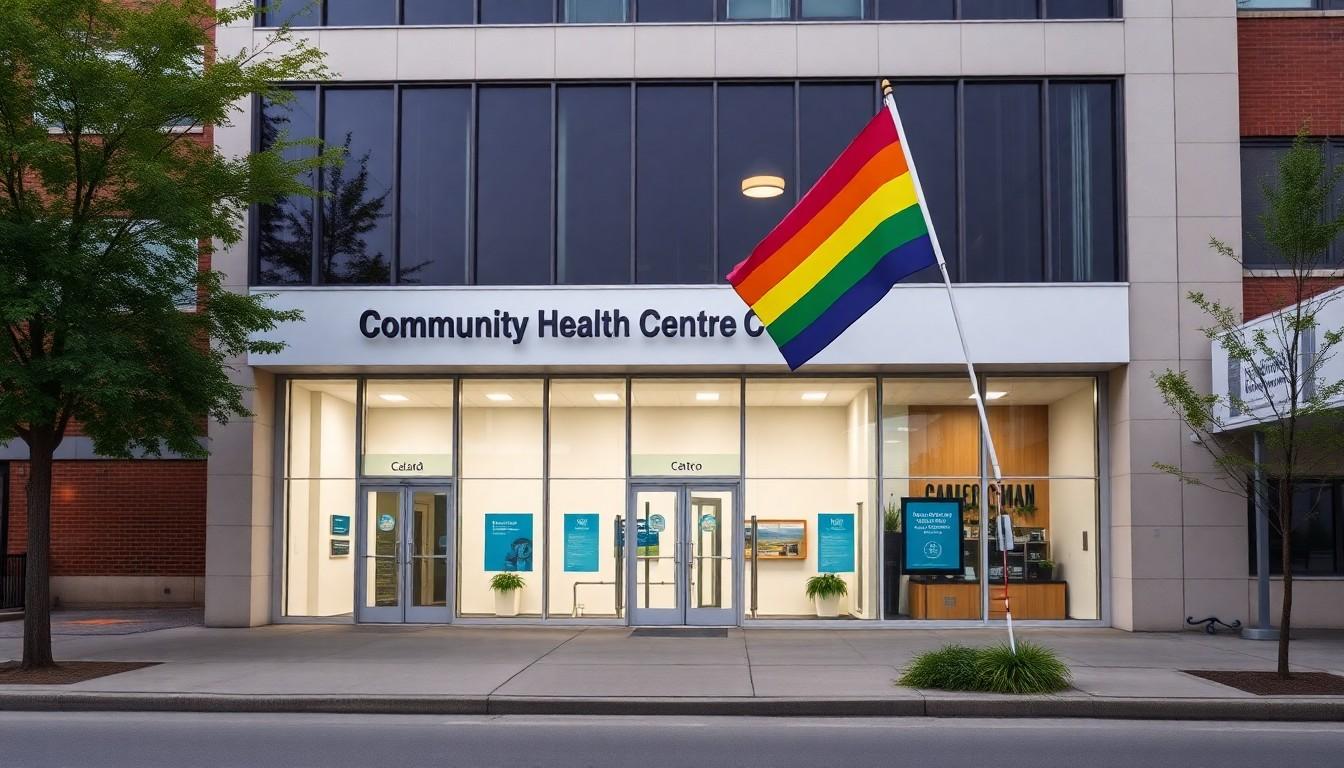
Shoppers and advocates alike are warning that Canada has the tools to stop HIV , but shrinking funds and patchy sex education mean young and newcomer communities are being left exposed. This piece looks at who’s affected, what’s available, and simple steps that could make prevention work better.
Essential Takeaways
- Rising infections: Recent federal data show a sharp increase in HIV cases among young men who have sex with men, with 25–29-year-olds worst affected, signalling gaps in prevention.
- Prevention is available: PrEP, PEP and other biomedical tools are approved and effective in Canada, but uptake remains low and uneven across provinces.
- Funding squeeze: Federal HIV funding has been largely static for years, reducing the capacity of community groups that deliver sex ed, testing and outreach.
- Education gap: Rollbacks and restrictions in school sex education, plus poor access to culturally competent services, are driving risk among youth and newcomers.
- Practical fixes: Better provider training, targeted community funding, multilingual outreach and easier access to PrEP could close many of the current gaps.
Why the surge in HIV matters now , and how it feels on the ground
The rise in diagnoses feels both practical and painfully personal: young people who thought they were safe are finding out they’re not. According to federal surveillance, infections climbed substantially recently, concentrated among gay, bisexual and other men who have sex with men, and especially those in their mid-20s. For readers, that translates to a clear point , HIV prevention is not a solved problem in Canada, it’s an active public‑health fight that touches real lives.
Community workers and people with lived experience report the emotional fallout: shame, anger and a sense that more could have been done. That’s why prevention tools like PrEP matter so much , they’re not theoretical, they’re life‑changing.
PrEP, PEP and testing: the tools already on the shelf
Canada has approved and recommended biomedical prevention for years, and public‑health pages explain how PrEP and PEP work and who should be offered them. But availability doesn’t equal accessibility. Uptake varies by province and by how well local clinics and family doctors know the guidance, which leaves gaps for those who most need prevention.
Practical tip: if you think you’d benefit from PrEP, ask specifically for it and for a formal assessment. If a GP seems unsure, seek a sexual‑health clinic or a community organisation experienced in HIV care.
Money talks: how stagnant funding has hollowed out services
Advocates point out that core federal funding for HIV has not kept pace with costs, which has forced groups to shrink services or close. When longstanding organisations reduce outreach or stop subsidising travel and accommodation for youth, the result is fewer in‑person workshops, less multilingual support and weaker links into care.
That has concrete effects on prevention , fewer school programmes, fewer bathhouse or app‑based outreach visits, and less capacity to teach doctors and nurses about PrEP and newer interventions.
Schools, stigma and the lost chance to teach safer sex
Changes in school policy in some provinces have made it harder for teachers to present up‑to‑date sexual health materials, and many young people aren’t getting basic, culturally competent education about HIV. Studies and community surveys show condom use has fallen, many young adults have never been tested for STIs, and a large share of those who would benefit from PrEP have never taken it.
For parents and educators, the straightforward fix is to support comprehensive, evidence‑based sex education that includes PrEP, testing and consent. For young people, community workshops and clinic visits are still the most reliable way to get accurate, practical advice.
Newcomers and international students: a hidden vulnerability
Two‑thirds of recent diagnoses in some reports involved migrants or temporary residents, including international students who arrive from places where open conversations about sexuality are taboo. Language barriers, cultural stigma and unfamiliarity with Canadian services make it harder for newcomers to find PrEP, testing or non‑judgemental care.
Community groups have been filling that gap with multilingual outreach and peer support, but they’re often the first to feel the effects of budget cuts. Practical suggestion: universities and colleges should fund on‑campus sexual health clinics and ensure information is available in students’ languages.
What needs to happen next , practical priorities
The fixes are straightforward and, importantly, affordable compared with the long‑term costs of more infections. They include targeted, sustained funding for community organisations; clearer training for family doctors and GPs so they recommend PrEP routinely; restored support for school‑based sex ed; and multilingual, culturally competent outreach to newcomers.
On an individual level, ask for the tests and prevention options you need, and help normalise those conversations among friends and partners. Policymakers can start by protecting and updating existing HIV funding streams rather than folding them into broader pots that dilute their impact.
It's a small set of policy and practice changes that could make every prevention tool actually work for the people who need them most.
Source Reference Map
Story idea inspired by: [1]
Sources by paragraph: