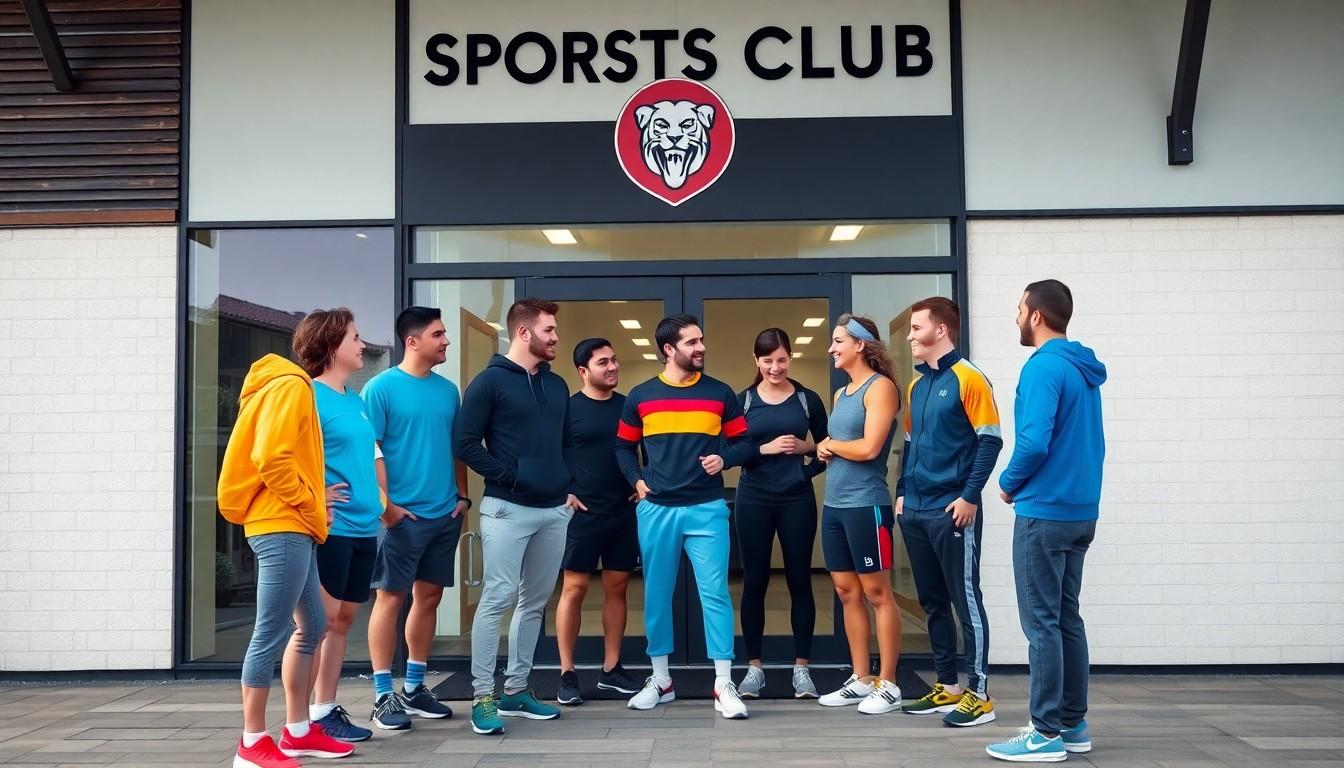
Notice how a simple gesture can change a locker room: sports clubs and governing bodies are under renewed pressure to move beyond performative support and actively defend the freedoms of LGBTI+ athletes, because visibility without action can feel hollow. Here’s why it matters, what’s already working, and practical steps clubs can take right now.
Essential Takeaways
- Visibility helps, but it isn’t enough: rainbow flags and parade appearances signal intent, yet they don’t stop abuse or exclusion on pitches and in schoolyards.
- Education works: proven curricula and workshops create understanding and reduce homophobic behaviour in team environments.
- Policy plus practice: clear anti-discrimination rules, reporting routes and trained staff provide real safety, not just good PR.
- Small actions, big impact: calling out slurs, flying a flag, or inviting an LGBTI+ speaker makes inclusion tangible and ongoing.
Why a rainbow flag can feel both hopeful and empty
A flag on the clubhouse wall is a visible, warm gesture , it says “you belong” at a glance. But when players still get shouted at, or national bodies applaud Pride on a boat while declining to engage with criticism, that symbolic welcome rings hollow. According to people working in inclusion, performative acts without follow-through leave athletes sceptical and sometimes worse off. Clubs that want change need to match symbols with policies and everyday behaviour. The first practical step is talking to LGBTQIA+ players about what would actually make them feel safe.
Education programmes that actually shift culture
Organisations such as Athlete Ally have expanded curricula that go beyond one-off talks, teaching teammates and coaches how to intervene, use inclusive language, and support coming-out processes. Studies and practitioners report that repeated, tailored workshops reduce incidents and help allies feel confident to act. If your club is choosing a programme, look for ongoing training, role-play scenarios, and evaluation , that’s the difference between ticking a box and changing the locker room’s tone.
Policies, reporting routes and accountability: the backbone of inclusion
Visibility without consequence won’t stop abuse. National and state sporting bodies have begun publishing guidance and anti-discrimination rules, but implementation varies widely. Clubs should adopt clear codes of conduct that specify sanctions, create confidential reporting channels, and make sure staff are trained to respond. Simple practicalities , named safeguarding officers, visible guidance in changing rooms, and transparent follow-up after complaints , turn good intentions into safer environments.
Small habits that make a big difference on the pitch
You don’t need to overhaul everything overnight. Players, coaches and parents can start with low-effort, high-impact moves: call out slurs calmly and immediately, normalise gender-neutral language in team talk, and make sure team photos and social media show diverse players respectfully. Invite local LGBTI+ athletes to speak or run a training session. These habits shift what’s normal and show younger players that being who they are won’t cost them their place in the team.
Why clubs should act now , and how to get started
Sporting bodies face reputation risks when inclusion is only surface-level, and more importantly, players’ wellbeing is at stake. Start by surveying your members to understand where problems happen, then pick one measurable change: introduce an education session this season, appoint an inclusion lead, or publicise a confidential reporting process. Track incidents and feedback so progress is visible. Over time, small, consistent actions build trust faster than grand gestures.
It's a small change that can make every training session and match a safer place to belong.
Source Reference Map
Story idea inspired by: [1]
Sources by paragraph: